
After donating more than $7 billion in 2025, MacKenzie Scott gave the Trevor Project $45 million as the LGBTQ+ youth organisation faced funding cuts and financial challenges


A $45 million donation from billionaire philanthropist MacKenzie Scott has given the Trevor Project a substantial financial boost at a time when the LGBTQ+ youth organisation is adjusting to the loss of federal funding and a smaller operating budget. The gift, made towards the end of 2025, is the largest the nonprofit has received in its history. It also comes after several difficult years marked by leadership changes, staff reductions and questions about managing rapid growth. As reported by The US News & World Report, Scott had previously donated $6 million to the organisation in 2020. Her latest contribution arrives as the Trevor Project reassesses its finances and considers how best to maintain its crisis support services.
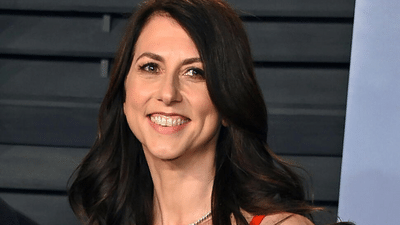
MacKenzie Scott gives the Trevor Project its largest-ever donation
The Trevor Project announced the gift on January 12, 2026, saying it had received the money from Scott at the end of the previous year. The organisation provides crisis intervention and suicide prevention support for LGBTQ+ young people, including through an independent hotline.
For chief executive Jaymes Black, the size of the contribution came as a surprise. The nonprofit had been dealing with financial pressure, and the donation offered a significant addition to its resources at a time when its funding position had changed.
Scott's philanthropy has attracted attention for the size of her grants and the way she distributes them. Her wealth largely originated from her divorce from Amazon founder Jeff Bezos. In 2025, she gave more than $7 billion to nonprofit organisations, according to figures reported by the Associated Press. The Trevor Project's $45 million gift was not included in the donations listed on her website in December.
Trevor Project continues crisis support after losing federal funding
The Trevor Project lost $25 million in federal funding after the Trump administration ended a specialised option for LGBTQ+ young people using the 988 National Suicide & Crisis Lifeline in July 2025. The service had allowed callers to access support tailored to their needs, including those related to sexual orientation and gender identity.
The nonprofit had been among the organisations providing that assistance. According to Black, it continued to reach around 250,000 young people each year through its own hotline. A further 250,000 callers had been served through the 988 option, known as Press 3, before that service ended.
The US Department of Health and Human Services reported that more than 1.5 million contacts had been routed through the wider 988 service between September 2022 and July 2025. Those contacts covered the broader crisis line, rather than the Trevor Project alone.
Scott Bertani, director of advocacy at the National Coalition for LGBTQ Health, said the organisation's services addressed needs that general crisis lines were not specifically designed to handle. Young people dealing with rejection, isolation or distress connected to their identity may seek support from a service with relevant experience, he said.
The Trevor Project has continued operating its independent hotline since the federal programme ended. The loss of the additional option, however, has placed greater importance on the organisation's ability to sustain that work.
Trevor Project’s budget falls to $47 million after years of rapid growth
The federal funding loss was not the organisation's only financial challenge. The Trevor Project's budget expanded sharply over several years, rising from about $4 million in 2016 to more than $83 million in 2023, according to its public tax returns. That growth coincided with internal difficulties, including a change in leadership and a series of staff cuts.
The board removed the organisation's chief executive in 2022, and further layoffs followed, including reductions in July 2025. Black said the nonprofit's budget for 2026 stood at $47 million, considerably below its reported level in 2023, as reported The US News & World Report.
Rapid expansion can create management pressures for charities as well as businesses. Thad Calabrese, a New York University professor who studies nonprofit financial management, said organisations that grow quickly can encounter financial problems. He also pointed to the wider uncertainty created when government support is reduced or withdrawn.
Public funding has often been treated as a dependable source of income for nonprofits. Yet relying on it can leave organisations exposed when political priorities change. Calabrese said the recent instability in federal funding had disrupted the operating models of charities beyond the Trevor Project.
MacKenzie Scott’s record gift gives the Trevor Project room to plan ahead
Following the loss of federal support, the Trevor Project launched an emergency fundraising campaign. By the time of the Associated Press report in January 2026, the appeal had raised $20 million, according to Black.
The campaign provided another source of support as the nonprofit worked through the immediate consequences of the funding cut. Black said the organisation hoped the fundraising effort had demonstrated its ability to continue through a difficult period.
Scott's donation is intended to have a longer-term effect, rather than being tied to a specific project with a fixed spending schedule. Black said the donor's representatives had made clear that the contribution was designed to support lasting impact. The Trevor Project planned to take time to decide how the money should be used.
The $45 million gift is larger than the Trevor Project's stated 2026 operating budget of $47 million only by a small margin, but its potential value will depend on how the money is managed over time. The donation does not, by itself, resolve the questions surrounding the nonprofit's future income or operating costs.
Why MacKenzie Scott gives millions without requiring project proposals
Scott has become one of the most prominent individual philanthropists in the United States, in part because she frequently makes large donations without requiring recipients to spend the money on a narrowly defined project. Her giving has often supported organisations working on equity and social justice.
Unlike many traditional grantmakers, Scott generally does not ask charities to submit project proposals or accept applications for funding. An open call in 2023 was an exception to that approach. Her team conducts its own assessment of potential recipients, although relatively little is publicly known about its internal selection process.
The size of her donations has sometimes prompted questions about whether a charity can manage a sudden increase in resources without expanding too quickly or becoming dependent on an unusually large grant. Research from the Center for Effective Philanthropy, however, has found limited evidence that the concerns surrounding misuse of Scott's gifts or unsustainable growth have broadly materialised.
MacKenzie Scott gives the Trevor Project its largest-ever donation
The Trevor Project announced the gift on January 12, 2026, saying it had received the money from Scott at the end of the previous year. The organisation provides crisis intervention and suicide prevention support for LGBTQ+ young people, including through an independent hotline.
For chief executive Jaymes Black, the size of the contribution came as a surprise. The nonprofit had been dealing with financial pressure, and the donation offered a significant addition to its resources at a time when its funding position had changed.
Scott's philanthropy has attracted attention for the size of her grants and the way she distributes them. Her wealth largely originated from her divorce from Amazon founder Jeff Bezos. In 2025, she gave more than $7 billion to nonprofit organisations, according to figures reported by the Associated Press. The Trevor Project's $45 million gift was not included in the donations listed on her website in December.
Trevor Project continues crisis support after losing federal funding
The Trevor Project lost $25 million in federal funding after the Trump administration ended a specialised option for LGBTQ+ young people using the 988 National Suicide & Crisis Lifeline in July 2025. The service had allowed callers to access support tailored to their needs, including those related to sexual orientation and gender identity.
The nonprofit had been among the organisations providing that assistance. According to Black, it continued to reach around 250,000 young people each year through its own hotline. A further 250,000 callers had been served through the 988 option, known as Press 3, before that service ended.
The US Department of Health and Human Services reported that more than 1.5 million contacts had been routed through the wider 988 service between September 2022 and July 2025. Those contacts covered the broader crisis line, rather than the Trevor Project alone.
Scott Bertani, director of advocacy at the National Coalition for LGBTQ Health, said the organisation's services addressed needs that general crisis lines were not specifically designed to handle. Young people dealing with rejection, isolation or distress connected to their identity may seek support from a service with relevant experience, he said.
The Trevor Project has continued operating its independent hotline since the federal programme ended. The loss of the additional option, however, has placed greater importance on the organisation's ability to sustain that work.
Trevor Project’s budget falls to $47 million after years of rapid growth
The federal funding loss was not the organisation's only financial challenge. The Trevor Project's budget expanded sharply over several years, rising from about $4 million in 2016 to more than $83 million in 2023, according to its public tax returns. That growth coincided with internal difficulties, including a change in leadership and a series of staff cuts.
The board removed the organisation's chief executive in 2022, and further layoffs followed, including reductions in July 2025. Black said the nonprofit's budget for 2026 stood at $47 million, considerably below its reported level in 2023, as reported The US News & World Report.
Rapid expansion can create management pressures for charities as well as businesses. Thad Calabrese, a New York University professor who studies nonprofit financial management, said organisations that grow quickly can encounter financial problems. He also pointed to the wider uncertainty created when government support is reduced or withdrawn.
Public funding has often been treated as a dependable source of income for nonprofits. Yet relying on it can leave organisations exposed when political priorities change. Calabrese said the recent instability in federal funding had disrupted the operating models of charities beyond the Trevor Project.
MacKenzie Scott’s record gift gives the Trevor Project room to plan ahead
The campaign provided another source of support as the nonprofit worked through the immediate consequences of the funding cut. Black said the organisation hoped the fundraising effort had demonstrated its ability to continue through a difficult period.
Scott's donation is intended to have a longer-term effect, rather than being tied to a specific project with a fixed spending schedule. Black said the donor's representatives had made clear that the contribution was designed to support lasting impact. The Trevor Project planned to take time to decide how the money should be used.
The $45 million gift is larger than the Trevor Project's stated 2026 operating budget of $47 million only by a small margin, but its potential value will depend on how the money is managed over time. The donation does not, by itself, resolve the questions surrounding the nonprofit's future income or operating costs.
Why MacKenzie Scott gives millions without requiring project proposals
Scott has become one of the most prominent individual philanthropists in the United States, in part because she frequently makes large donations without requiring recipients to spend the money on a narrowly defined project. Her giving has often supported organisations working on equity and social justice.
Unlike many traditional grantmakers, Scott generally does not ask charities to submit project proposals or accept applications for funding. An open call in 2023 was an exception to that approach. Her team conducts its own assessment of potential recipients, although relatively little is publicly known about its internal selection process.
The size of her donations has sometimes prompted questions about whether a charity can manage a sudden increase in resources without expanding too quickly or becoming dependent on an unusually large grant. Research from the Center for Effective Philanthropy, however, has found limited evidence that the concerns surrounding misuse of Scott's gifts or unsustainable growth have broadly materialised.
Next Story