
AI Voice-Cloning Scams: How to Protect Yourself From Fake Emergency Calls

A phone call from someone who sounds like a family member can create an immediate sense of trust. Scammers exploit that instinct by pretending to be relatives, colleagues or other familiar people who urgently need help. Artificial intelligence has made it possible to generate convincing voice imitations from recordings, creating another challenge for consumers.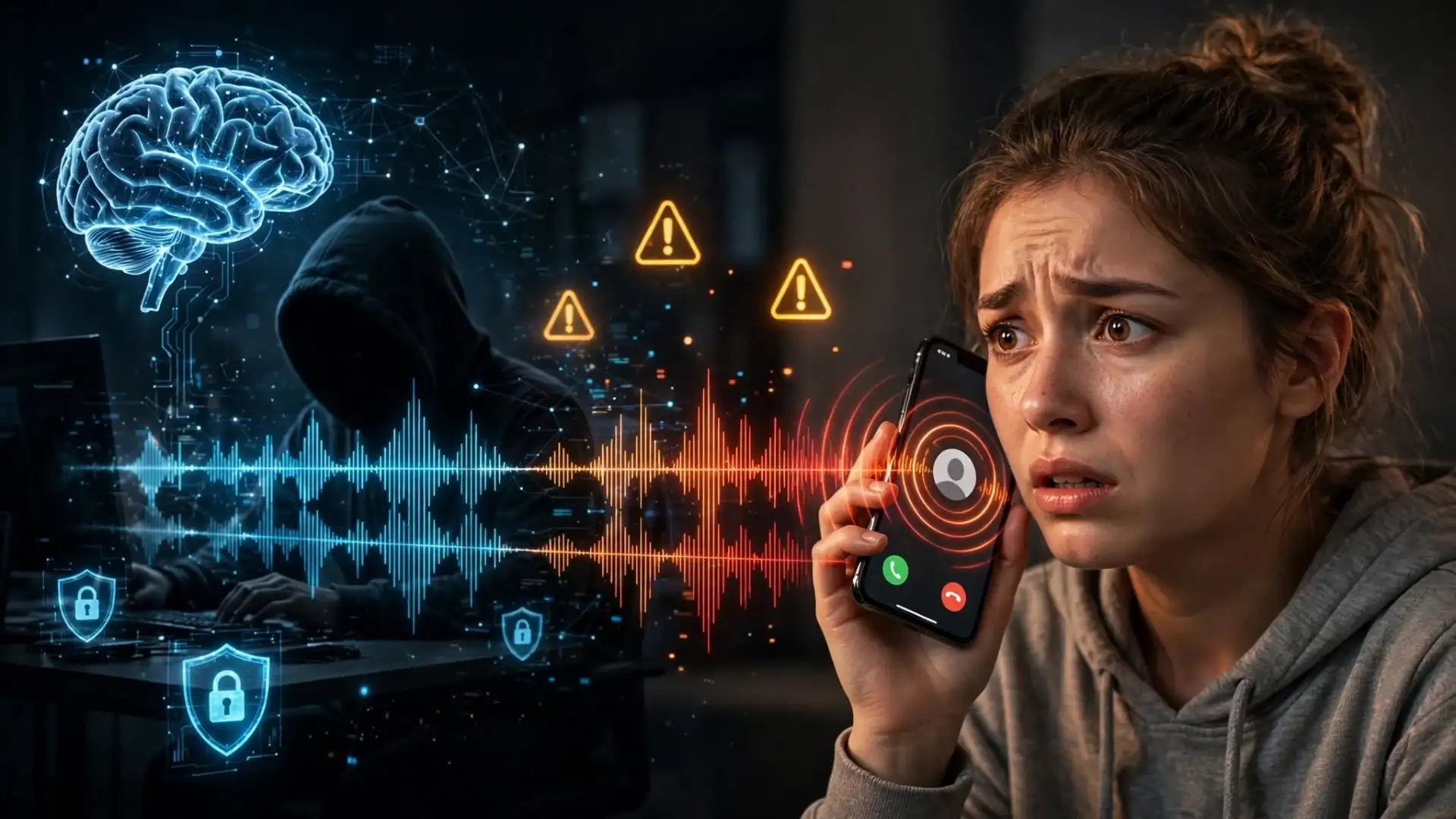
Cybersecurity awareness initiatives in India are increasingly addressing AI-powered fraud, voice cloning and deepfakes. For individuals, the most useful defence is to treat unexpected requests for money or confidential information with caution, even when the caller sounds familiar.
A criminal may combine this capability with information gathered from social media, public recordings or compromised accounts to create a convincing impersonation.
The caller might claim to be stranded, involved in an emergency or unable to access a bank account. Urgency is used to discourage the victim from checking the story.
Not every unusual call involves AI, and a convincing voice is not proof that a particular technology was used. The warning signs are the request, the circumstances and the refusal to allow independent verification.
Requests to transfer money to an unfamiliar account, disclose an OTP or share banking credentials deserve particular scrutiny.
A caller may also provide personal details to make the story appear genuine. Such information can be obtained from public posts or previous data breaches.
Do not assume that knowing a relative's name, workplace or recent activities proves the caller's identity.
Families can agree on a verification phrase for emergencies, although it should be kept private and changed if compromised.
Never share a UPI PIN or OTP to receive money. A legitimate payment request does not require you to reveal confidential authentication details to another person.
If a caller pressures you to act before verification, treat that pressure as a reason to pause.
In India, cybercrime complaints can be reported through the official National Cyber Crime Reporting Portal. For financial cyber fraud, calling 1930 promptly may help authorities and financial institutions attempt to intervene.
Keep transaction references, phone numbers and messages for the complaint. Recovery is not guaranteed, so speed matters.
AI can make impersonation more convincing, but independent verification remains an effective way to disrupt the scammer's strategy.
Cybersecurity awareness initiatives in India are increasingly addressing AI-powered fraud, voice cloning and deepfakes. For individuals, the most useful defence is to treat unexpected requests for money or confidential information with caution, even when the caller sounds familiar.
How Do AI Voice-Cloning Scams Work?
Voice-cloning technology can generate speech that resembles a real person's voice using audio samples.A criminal may combine this capability with information gathered from social media, public recordings or compromised accounts to create a convincing impersonation.
The caller might claim to be stranded, involved in an emergency or unable to access a bank account. Urgency is used to discourage the victim from checking the story.
Not every unusual call involves AI, and a convincing voice is not proof that a particular technology was used. The warning signs are the request, the circumstances and the refusal to allow independent verification.
What Warning Signs Should You Notice?
Be cautious if a caller demands immediate payment, asks you to keep the conversation secret or insists that there is no time to contact anyone else.Requests to transfer money to an unfamiliar account, disclose an OTP or share banking credentials deserve particular scrutiny.
A caller may also provide personal details to make the story appear genuine. Such information can be obtained from public posts or previous data breaches.
Do not assume that knowing a relative's name, workplace or recent activities proves the caller's identity.
How Can You Verify an Emergency Call?
End the call and contact the person through a number you already trust. If the request concerns a family member, speak to another relative who can independently confirm the situation.Families can agree on a verification phrase for emergencies, although it should be kept private and changed if compromised.
Never share a UPI PIN or OTP to receive money. A legitimate payment request does not require you to reveal confidential authentication details to another person.
If a caller pressures you to act before verification, treat that pressure as a reason to pause.
What Should You Do If Money Has Been Lost?
Contact your bank or payment provider immediately to report the transaction and ask what protective steps are available.In India, cybercrime complaints can be reported through the official National Cyber Crime Reporting Portal. For financial cyber fraud, calling 1930 promptly may help authorities and financial institutions attempt to intervene.
Keep transaction references, phone numbers and messages for the complaint. Recovery is not guaranteed, so speed matters.
AI can make impersonation more convincing, but independent verification remains an effective way to disrupt the scammer's strategy.
Next Story