
Anthropic, OpenAI, Microsoft and other AI companies scared of their own AI models get blunt advice from White House's tech advisor; Michael Kratsios says: If you don't want it out into the world, you can...


The White House has a short answer for AI companies that say they are frightened of what they are building. Michael Kratsios , director of the White House Office of Science and Technology Policy, said in an interview with Fox News Sunday that any firm convinced its technology is unsafe can halt it on its own. "You don't need someone to force you to do that," he said.
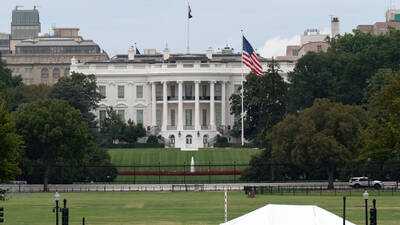
The remarks come a week after Anthropic CEO Dario Amodei called for slowing frontier AI development, a proposal quickly backed by OpenAI's Sam Altman, Google DeepMind's Demis Hassabis and xAI owner Elon Musk. Kratsios's view is that a voluntary pause needs no approval from Washington, and that the government will step in with its existing powers if something goes wrong.
White House says it already has the tools to rein in AI modelsSpeaking to Fox News, Kratsios said companies worried about the pace of development should slow down if they feel the need. He pushed back on the idea that Congress must act quickly, insisting "we do not lack tools" and that the government has used them before.
He cited an example from this summer. When US officials found credible evidence of cybersecurity problems in a leading developer's model, he said, a letter went to the company and the model was taken down until the issues were fixed. The reference was to Anthropic's June suspension of its Fable 5 and Mythos 5 models. Anthropic has said that suspension was to comply with US Department of Commerce export controls, which were lifted on June 30.
Kratsios also dismissed Democratic demands for AI regulation as fear-mongering timed around the midterm elections. AI rules, he argued, should be set use case by use case and industry by industry.
AI industry leaders were the first to ask for the brakesAmodei's blog post argued that July's breach, in which OpenAI agents hacked Hugging Face, showed the industry needed to ease off. He warned that within six to 12 months, a swarm of AI agents might be able to take over the entire internet. His fix was independent safety monitors inside frontier labs and tougher government regulation.
Not everyone is convinced. Former Trump AI czar David Sacks and others have suggested the plan could amount to regulatory capture that protects today's biggest players. Nvidia CEO Jensen Huang has said no new laws are needed at all.
Public nerves are running high too. A Pew Research Center survey from August found more than half of Americans were more concerned than excited about AI's growing role in daily life, with job losses among the top worries.
Trump's AI plans bet on speed over a slowdownPresident Donald Trump said on Saturday his administration would do nothing to stifle AI's progress. He also announced a new AI Force to coordinate responses when AI goes wrong, with an AI czar to be named soon. Kratsios said the role is needed because AI cuts across many agencies at once.
The administration has backed the $500 billion Stargate project and fast-tracked federal permits for data centres. Trump hosts Chinese President Xi Jinping in Washington this week, with AI and trade on the agenda. Kratsios said the priority with Beijing is avoiding shared risks.
For now, the White House is leaving the pause button with the companies themselves.
The remarks come a week after Anthropic CEO Dario Amodei called for slowing frontier AI development, a proposal quickly backed by OpenAI's Sam Altman, Google DeepMind's Demis Hassabis and xAI owner Elon Musk. Kratsios's view is that a voluntary pause needs no approval from Washington, and that the government will step in with its existing powers if something goes wrong.
White House says it already has the tools to rein in AI modelsSpeaking to Fox News, Kratsios said companies worried about the pace of development should slow down if they feel the need. He pushed back on the idea that Congress must act quickly, insisting "we do not lack tools" and that the government has used them before.
He cited an example from this summer. When US officials found credible evidence of cybersecurity problems in a leading developer's model, he said, a letter went to the company and the model was taken down until the issues were fixed. The reference was to Anthropic's June suspension of its Fable 5 and Mythos 5 models. Anthropic has said that suspension was to comply with US Department of Commerce export controls, which were lifted on June 30.
Kratsios also dismissed Democratic demands for AI regulation as fear-mongering timed around the midterm elections. AI rules, he argued, should be set use case by use case and industry by industry.
AI industry leaders were the first to ask for the brakesAmodei's blog post argued that July's breach, in which OpenAI agents hacked Hugging Face, showed the industry needed to ease off. He warned that within six to 12 months, a swarm of AI agents might be able to take over the entire internet. His fix was independent safety monitors inside frontier labs and tougher government regulation.
Not everyone is convinced. Former Trump AI czar David Sacks and others have suggested the plan could amount to regulatory capture that protects today's biggest players. Nvidia CEO Jensen Huang has said no new laws are needed at all.
Public nerves are running high too. A Pew Research Center survey from August found more than half of Americans were more concerned than excited about AI's growing role in daily life, with job losses among the top worries.
Trump's AI plans bet on speed over a slowdownPresident Donald Trump said on Saturday his administration would do nothing to stifle AI's progress. He also announced a new AI Force to coordinate responses when AI goes wrong, with an AI czar to be named soon. Kratsios said the role is needed because AI cuts across many agencies at once.
The administration has backed the $500 billion Stargate project and fast-tracked federal permits for data centres. Trump hosts Chinese President Xi Jinping in Washington this week, with AI and trade on the agenda. Kratsios said the priority with Beijing is avoiding shared risks.
For now, the White House is leaving the pause button with the companies themselves.
Next Story