
Why Public USB Charging Stations Can Be Riskier Than They Look

Low battery anxiety makes people do desperate things. Airports, railway stations, shopping centres, and cafés now offer convenient USB charging ports everywhere. Most users plug in without hesitation.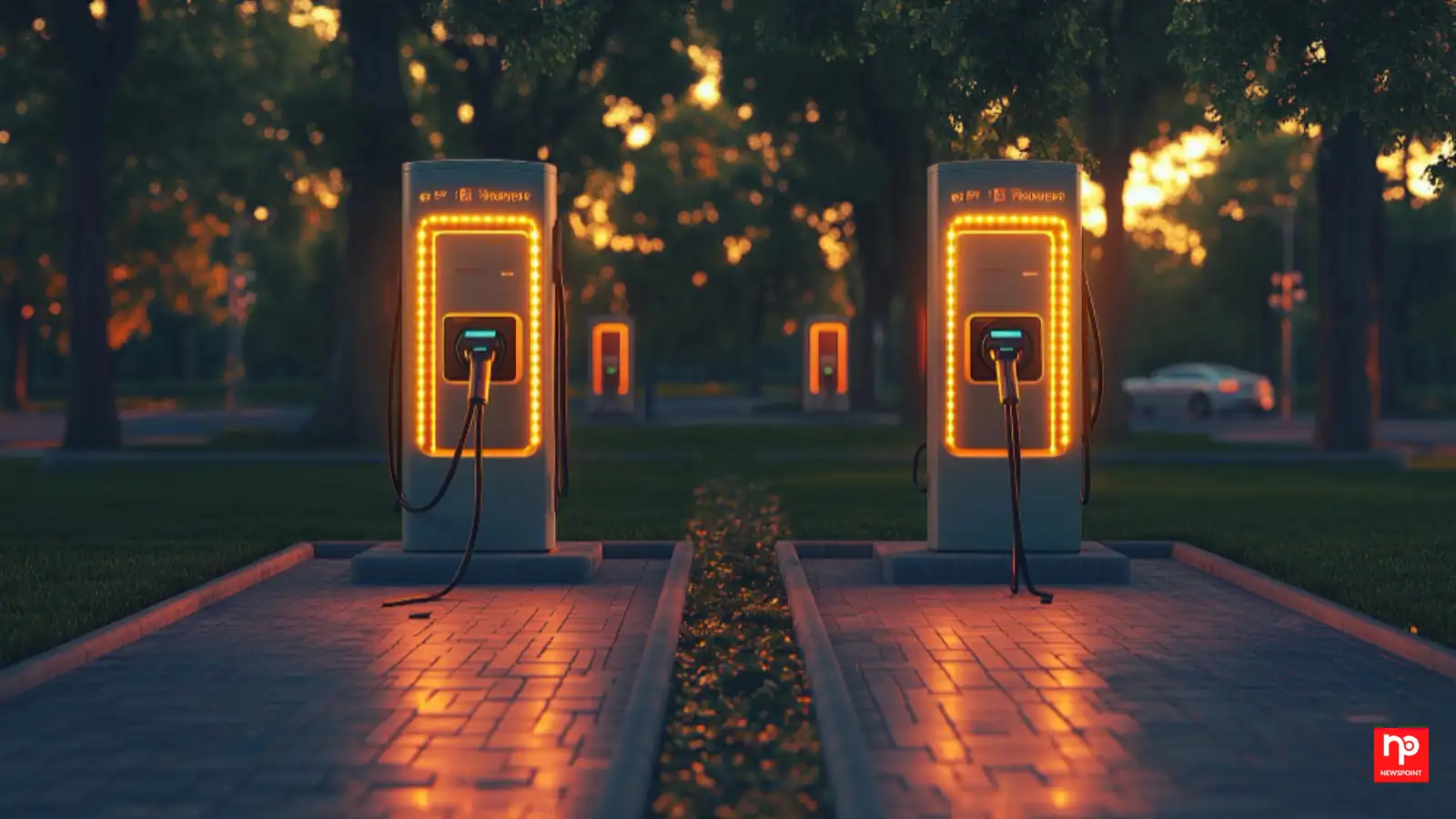
But cybersecurity experts have repeatedly warned that public USB ports can potentially expose phones to hidden risks many people have never heard about.
A cyberattack technique known as “juice jacking” involves manipulating USB ports to access data or install malicious software.
Although large-scale confirmed cases remain relatively rare, security agencies continue to warn users because the technical possibility is very real.
Airports are a perfect example. Travellers often connect phones quickly without checking the charging equipment carefully. In those moments, convenience tends to outweigh caution.
Cybercriminals rely heavily on rushed decision-making. The less attention people pay, the easier it becomes to exploit weak security habits.
Many people automatically clicked “allow” without understanding the implications.
Once permissions are granted, attackers may gain access to photos, contacts, messages, or stored credentials depending on the device and security settings.
Portable power banks are another safer option for frequent travellers.
Some users also carry USB data blockers, small adapters that disable data transfer while still allowing electrical charging.
Keeping phones updated with current security patches also reduces exposure to software vulnerabilities.
Most cyber threats today do not succeed because systems are impossible to secure. They succeed because daily routines encourage fast decisions without much thought.
Something as simple as charging a dying phone can become risky when convenience quietly replaces awareness.
But cybersecurity experts have repeatedly warned that public USB ports can potentially expose phones to hidden risks many people have never heard about.
The Problem With USB Connections
Unlike ordinary electrical sockets, USB cables transfer both power and data simultaneously. This means a compromised charging station could theoretically interact with a connected device beyond simple charging.A cyberattack technique known as “juice jacking” involves manipulating USB ports to access data or install malicious software.
Although large-scale confirmed cases remain relatively rare, security agencies continue to warn users because the technical possibility is very real.
Why Travellers Are Most Vulnerable
Public charging points are especially common in locations where people are distracted, rushed, or stressed.Airports are a perfect example. Travellers often connect phones quickly without checking the charging equipment carefully. In those moments, convenience tends to outweigh caution.
Cybercriminals rely heavily on rushed decision-making. The less attention people pay, the easier it becomes to exploit weak security habits.
Fake Charging Stations Have Appeared Before
In some documented cybersecurity demonstrations, researchers created fake charging kiosks capable of displaying convincing pop-up messages asking users to approve device access.Many people automatically clicked “allow” without understanding the implications.
Once permissions are granted, attackers may gain access to photos, contacts, messages, or stored credentials depending on the device and security settings.
The Safer Alternative Most Experts Recommend
Cybersecurity professionals generally suggest using standard electrical plugs with personal charging adapters rather than public USB ports.Portable power banks are another safer option for frequent travellers.
Some users also carry USB data blockers, small adapters that disable data transfer while still allowing electrical charging.
Keeping phones updated with current security patches also reduces exposure to software vulnerabilities.
Convenience Often Weakens Digital Awareness
Public charging stations reflect a larger issue in modern technology culture. People increasingly prioritise instant convenience over cautious behaviour.Most cyber threats today do not succeed because systems are impossible to secure. They succeed because daily routines encourage fast decisions without much thought.
Something as simple as charging a dying phone can become risky when convenience quietly replaces awareness.
Next Story