
China Proposes New AI Export Controls: What Technology Companies Should Know

Artificial intelligence is becoming a strategic issue for governments as well as technology companies. Advanced models, semiconductor designs and specialised computing technologies have commercial value, but they can also raise national security concerns.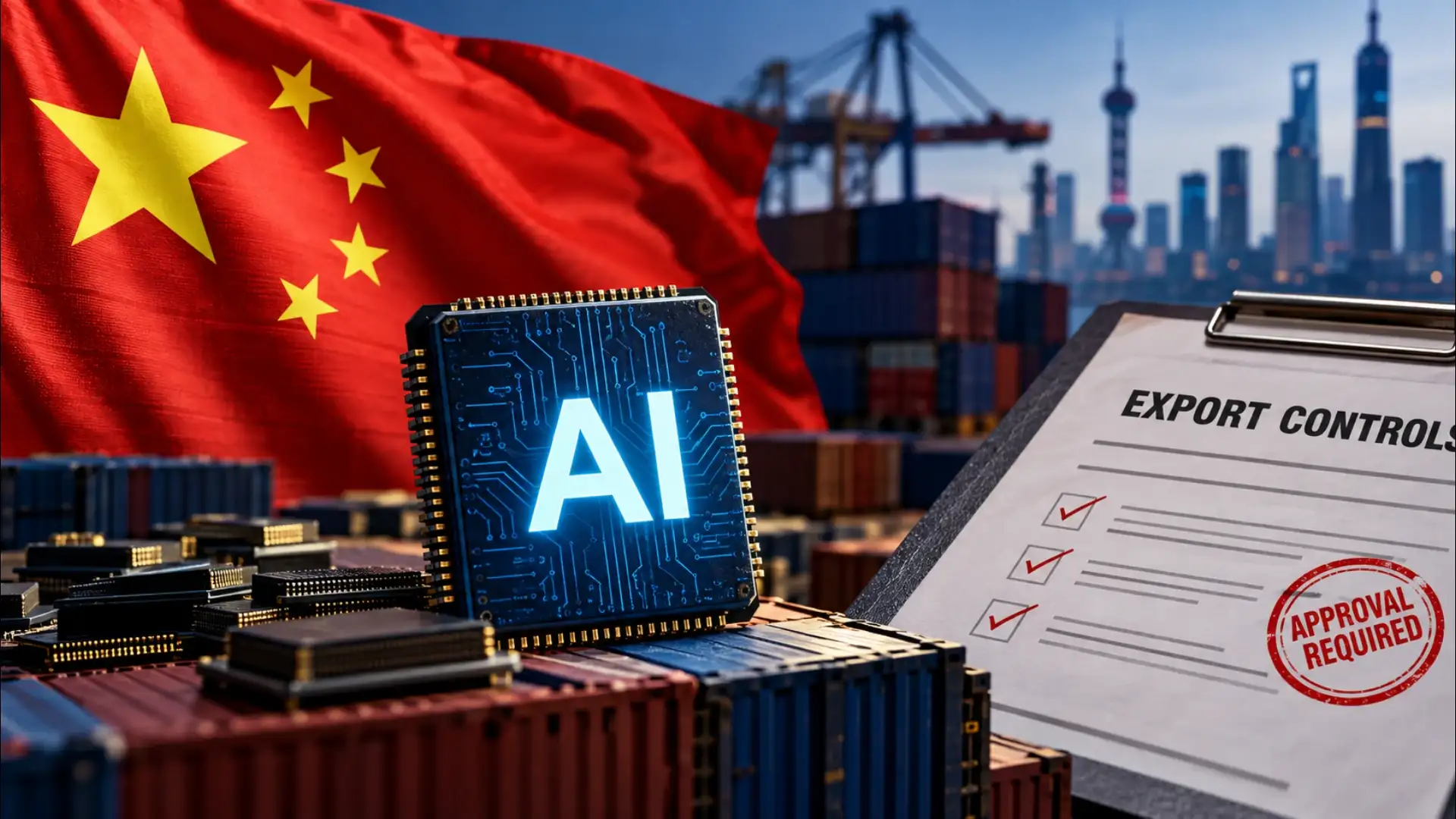
China announced a proposal on 16 October 2026 to expand controls covering the export of certain advanced technologies, including artificial intelligence. The move adds another dimension to international competition over AI capabilities and access to critical technology. However, the rules are proposed measures, not a blanket ban on all Chinese AI products. Their practical impact will depend on the final regulations and how they are implemented.
Twenty-three of the technologies fall within the AI category. The proposed controls are intended to strengthen oversight of sensitive technologies and address national security concerns.
The measures could affect certain advanced AI models and technologies associated with their development or deployment. The proposal also forms part of a wider effort to protect strategically important capabilities.
The details matter because export-control rules can distinguish between transferring underlying technology and providing access to a service.
Reuters reported that the proposal would allow international access to AI services through channels such as APIs, websites, applications and software-as-a-service platforms, subject to the applicable rules.
This distinction is important. A company might be able to offer access to an AI product without being permitted to transfer certain underlying technologies overseas.
The final effect will depend on the scope of the rules, licensing requirements and any exceptions introduced during the regulatory process.
Businesses should avoid assuming that every Chinese AI service will immediately become restricted.
Governments increasingly view these capabilities as strategically important. Export controls can influence where technologies are developed, who can access them and how companies structure international partnerships.
For technology businesses, uncertainty around rules can affect investment decisions, research collaborations and supply chains.
Companies working across borders may need to review licensing obligations and assess whether their products contain controlled technologies.
Until the rules are finalised, businesses should distinguish between announced proposals and enforceable restrictions.
For readers, the wider significance is that AI competition is increasingly shaped by policy as well as technical progress. The eventual rules could influence the international availability of advanced technology, but their effects cannot yet be determined with certainty.
China announced a proposal on 16 October 2026 to expand controls covering the export of certain advanced technologies, including artificial intelligence. The move adds another dimension to international competition over AI capabilities and access to critical technology. However, the rules are proposed measures, not a blanket ban on all Chinese AI products. Their practical impact will depend on the final regulations and how they are implemented.
What Has China Proposed?
According to Reuters, China has proposed adding 40 technologies across artificial intelligence, biotechnology and solar energy to its export-control catalogue.Twenty-three of the technologies fall within the AI category. The proposed controls are intended to strengthen oversight of sensitive technologies and address national security concerns.
The measures could affect certain advanced AI models and technologies associated with their development or deployment. The proposal also forms part of a wider effort to protect strategically important capabilities.
The details matter because export-control rules can distinguish between transferring underlying technology and providing access to a service.
Will Chinese AI Apps Become Unavailable Overseas?
Not necessarily.Reuters reported that the proposal would allow international access to AI services through channels such as APIs, websites, applications and software-as-a-service platforms, subject to the applicable rules.
This distinction is important. A company might be able to offer access to an AI product without being permitted to transfer certain underlying technologies overseas.
You may also like
- Fake Google Chrome app with over 1 lakh downloads found on Google Play: How to spot and what to do next
- Ferrari Luce EV India Debut on October 17, 2026: Check Expected Range, Performance and Design
- FSSAI moves to ban sucrose and fructose in foods for infants up to six months
- Not just Amazon, top banks across America are also 'banning' AI agents from accessing customer accounts
- When Microsoft CEO Satya Nadella transformed the company's culture with these three words
The final effect will depend on the scope of the rules, licensing requirements and any exceptions introduced during the regulatory process.
Businesses should avoid assuming that every Chinese AI service will immediately become restricted.
Why Are AI Export Controls Important?
Modern AI depends on more than software. It also relies on computing infrastructure, advanced chips, specialised engineering and data.Governments increasingly view these capabilities as strategically important. Export controls can influence where technologies are developed, who can access them and how companies structure international partnerships.
For technology businesses, uncertainty around rules can affect investment decisions, research collaborations and supply chains.
Companies working across borders may need to review licensing obligations and assess whether their products contain controlled technologies.
What Happens Next?
The proposal is part of a developing regulatory process. Reuters reported that the public consultation period would run until 15 November 2026.Until the rules are finalised, businesses should distinguish between announced proposals and enforceable restrictions.
For readers, the wider significance is that AI competition is increasingly shaped by policy as well as technical progress. The eventual rules could influence the international availability of advanced technology, but their effects cannot yet be determined with certainty.






Loving Newspoint? Download the app now
