
Exploring The World Of Laptops: A Complete Guide To Different Types And Their Key Features

Laptops have become an essential part of modern life, serving as workstations, study tools, entertainment hubs and creative companions. Yet the term 'laptop' covers a surprisingly wide range of devices, each built with a different user in mind. A student may need a light machine for notes and online classes, while a gamer could prioritise graphics performance and cooling. Professionals may look for security, durability and long battery life. Understanding the different types of laptops can therefore make the buying process far less confusing and help you focus on the features that actually matter.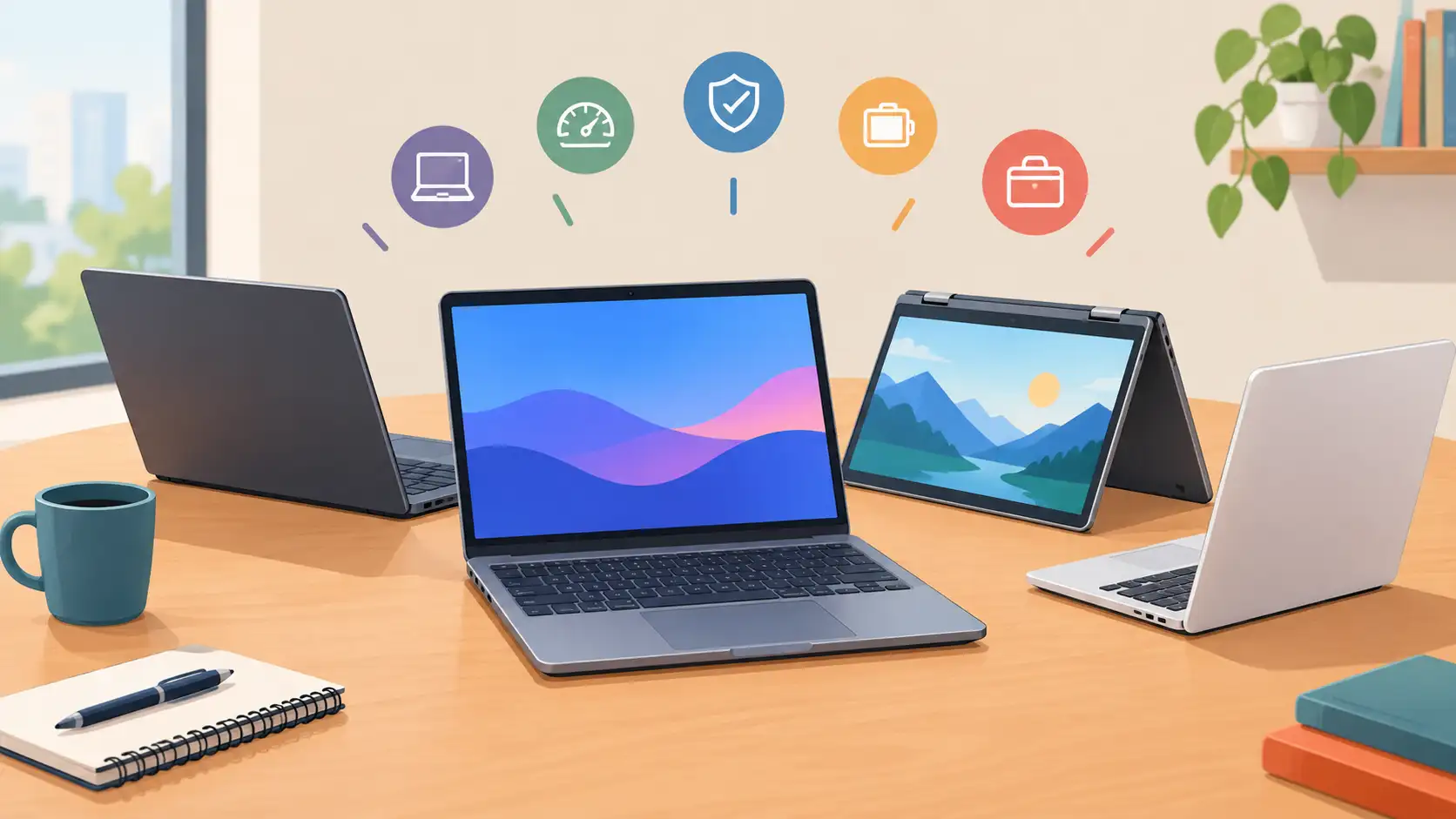
These devices are particularly suited to everyday productivity, including browsing, word processing, video calls and streaming. According to experts, buyers who prioritise mobility should pay close attention to battery life, weight, keyboard comfort and the selection of available ports.
This category can appeal to students, professionals and creative users who value flexibility. A touchscreen can also make activities such as drawing, annotating documents and navigating certain applications more convenient.
Their capabilities can also make them useful for video editing, 3D work and other demanding applications. However, gaming laptops are often heavier and can have shorter battery life than lightweight models. Buyers should consider whether they genuinely need that level of performance before paying the premium.
Meanwhile, standard notebooks cover a broad middle ground. They are available across various price ranges and can handle common tasks such as browsing, streaming, online learning and office work.
A practical laptop buying guide should therefore begin with your workload, budget and preferred portability rather than focusing only on specifications. Understanding the main types of laptops makes it easier to narrow down the choices and select a machine that fits your everyday requirements.
Image Courtesy: ChatGPT
Ultrabooks And Thin Laptops
Ultrabooks and other thin-and-light laptops are designed around portability. They typically have slim bodies, relatively low weight and efficient hardware, making them convenient for people who regularly move between home, office, college or other locations.These devices are particularly suited to everyday productivity, including browsing, word processing, video calls and streaming. According to experts, buyers who prioritise mobility should pay close attention to battery life, weight, keyboard comfort and the selection of available ports.
2-in-1 Laptops For Flexible Use
A 2-in-1 laptop combines conventional laptop functionality with features associated with a tablet. Depending on the design, its screen can fold backwards or detach from the keyboard, allowing users to switch between different modes.This category can appeal to students, professionals and creative users who value flexibility. A touchscreen can also make activities such as drawing, annotating documents and navigating certain applications more convenient.
Gaming Laptops For High Performance
Gaming laptops are built to handle demanding workloads, particularly modern games that require substantial graphics processing power. They commonly feature dedicated graphics hardware, high-performance processors and displays designed for smoother gameplay.Their capabilities can also make them useful for video editing, 3D work and other demanding applications. However, gaming laptops are often heavier and can have shorter battery life than lightweight models. Buyers should consider whether they genuinely need that level of performance before paying the premium.
Business Laptops And Everyday Notebooks
Business laptops generally focus on durability, security, comfortable keyboards and dependable performance. They can be suitable for office workers and professionals who spend long hours handling documents, meetings and business applications.Meanwhile, standard notebooks cover a broad middle ground. They are available across various price ranges and can handle common tasks such as browsing, streaming, online learning and office work.
Choosing The Right Laptop
The best laptop depends largely on how it will be used. Students looking for portability may prefer a lightweight model, while professionals might prioritise reliability and security. Gamers and creators may need stronger hardware, whereas users seeking versatility could consider a 2-in-1.A practical laptop buying guide should therefore begin with your workload, budget and preferred portability rather than focusing only on specifications. Understanding the main types of laptops makes it easier to narrow down the choices and select a machine that fits your everyday requirements.
Image Courtesy: ChatGPT
Next Story