
The Hidden Privacy Risk of Giving Apps Camera, Microphone, and Location Access

Most people don’t think twice before tapping “Allow.” It happens in seconds. A new app opens, a permission box appears, and you press the button just to move forward. Microphone access . Camera access. Location access. It feels routine now, almost invisible. After all, if an app asks, there must be a reason, right?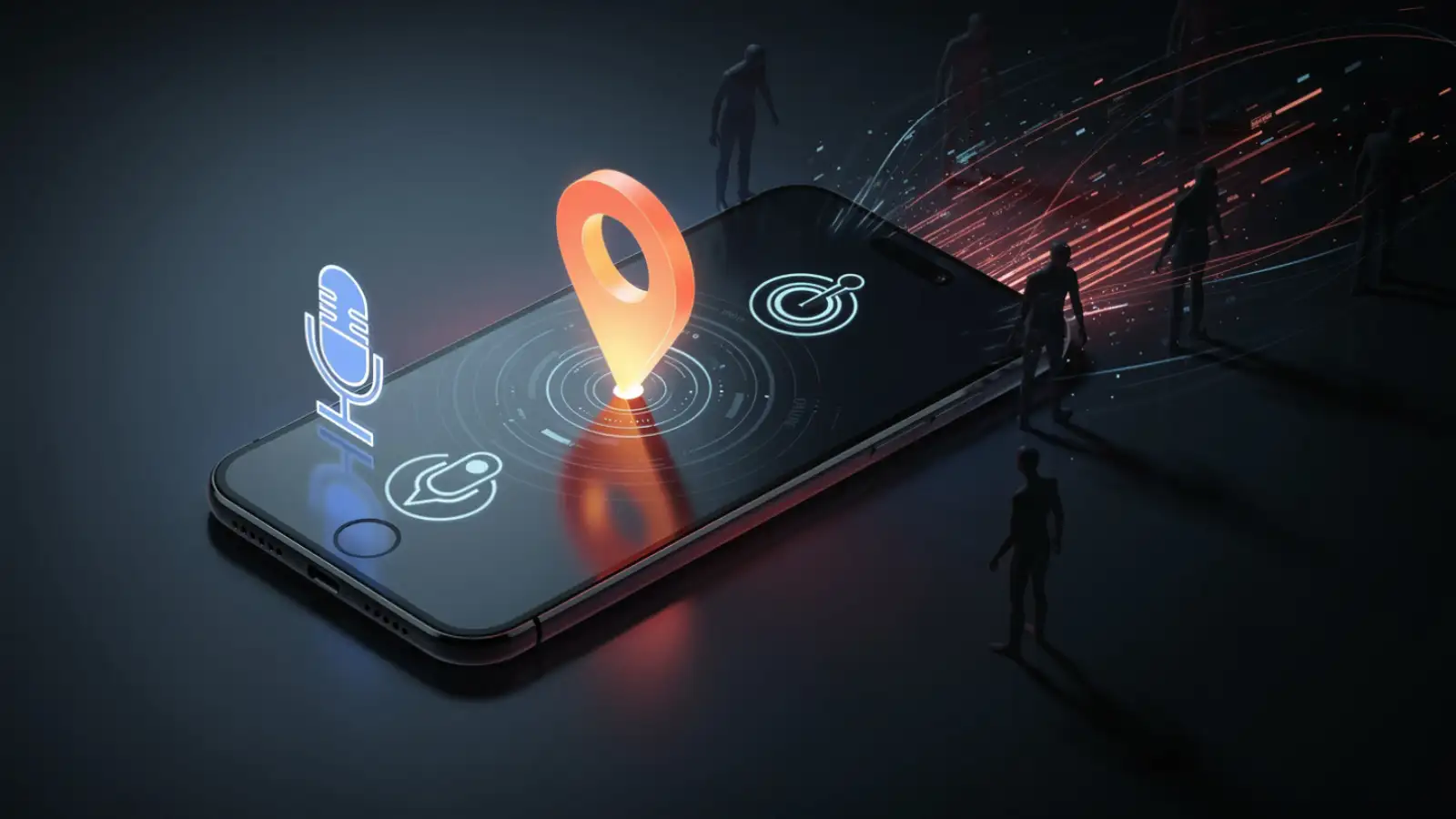
That simple habit has quietly become one of the biggest digital privacy risks in everyday life.
The truth is, giving every app access to your microphone, camera, and location does much more than help the app function. It can reveal patterns about who you are, where you go, how you spend your time, and what matters to you. Those tiny bits of information may seem harmless on their own, but when combined, they can paint a surprisingly detailed picture of your private life.
Think about how carefully animals move in the wild. A fox watches before stepping forward. A deer reacts to the smallest movement. Even a sparrow does not leave traces carelessly. Yet in the digital world, many of us leave behind signals all day long without noticing.
That is why this topic matters. Not because every app is spying in some dramatic way, but because app permissions often collect more information than people truly understand.
A small box pops up on the screen. It feels technical, temporary, and harmless. But what you are actually giving away is not just access to a phone feature. You are giving access to pieces of your daily life.
Microphone access can reveal more than sound. It can reflect routines, environment, habits, and even timing.
Camera access is not only about taking photos. It can expose surroundings, private spaces, and visual details you never intended to share.
Location access often goes far beyond finding directions. It can quietly map movement patterns, favorite places, and daily rhythms.
That is where the hidden risk begins.
The permission itself feels small. The information behind it is not.
They think, “I’m not hiding anything, so why should it matter?”
But privacy is not only about hiding. Privacy is also about control.
Your personal data has value because it reveals behavior. Companies do not always need private conversations or intimate photos to understand you. Often, they only need enough signals to predict what you might do next.
That is why personal data protection matters so much.
When apps know when you leave home, how long you stay in certain places, when you are active, and what kind of environment surrounds you, they begin to understand patterns. Patterns are powerful. They tell stories even when you never speak.
A cat can sense movement in a dark room. In a similar way, digital systems do not always need full details. Small traces are often enough.
That is what makes mobile app privacy such an important conversation today.
Weather apps ask for it. Delivery apps ask for it. Shopping apps ask for it. Many users accept it without a second thought.
But location data is not just about where you are right now.
Over time, location becomes a map of your life.
It can show your routine, your daily timing, your preferred routes, how often you move, and how predictable your habits are. It can reveal patterns about work, rest, social life, and behavior.
This matters because repeated location signals become more revealing than a single location pin.
A wolf can track a trail because repeated marks tell a direction. Digital systems work in a similar way. A single point means little. A long trail means a lot.
And most people do not realize how much of that trail they leave behind every day.
Voice notes, calling features, voice search, recording tools. It sounds practical.
But audio access can feel especially personal because sound carries context.
The background noise around you says something. Silence says something. Timing says something. Even short moments of audio can reveal patterns about routine and environment.
People often imagine privacy loss as dramatic, but in reality it is often quiet.
It lives in ordinary moments. The hum of a room. The rhythm of a day. The timing of activity.
That is why microphone permissions deserve more thought than most people give them.
A rabbit survives by reacting to sound. In our digital lives, sound can reveal more than we expect too.
But camera access is about more than images.
Visual information can carry details people barely notice. Backgrounds. Objects. Rooms. Personal spaces. Daily surroundings.
Sometimes people think privacy only concerns what they deliberately show. But camera access can sometimes involve what sits quietly around them.
That subtle difference matters.
The camera does not just capture a subject. It captures context.
And context can say a lot.
A hawk sees the wider landscape, not just one point below. In a similar way, visual data often reveals more than the main thing you intended to capture.
That is one reason camera access privacy deserves real attention.
“Only while using the app” sounds reasonable. And yes, it is often better than unrestricted access.
But it still matters how often you use that app.
An app used several times a day, every day, can still collect repeated signals. Over time, repeated signals become patterns. And patterns become insight.
That is the part many users miss.
Privacy is rarely lost in one dramatic moment.
It often fades through repetition.
Like water slowly shaping stone, small bits of access over weeks and months can build a much bigger picture than people expect.
Fast access feels helpful. Instant approval feels convenient. Fewer taps feel easier.
But convenience often hides the trade.
You get speed. The app gets data.
Not always maliciously. Not always unfairly. But often more broadly than most people realize.
That is why smartphone privacy settings matter so much.
They give you a chance to pause and ask a simple question:
Does this app truly need this permission to do what I want it to do?
That one question can change a lot.
A turtle moves slowly, but it stays protected. In digital life, slowing down for a few seconds can protect much more than people think.
You also do not need technical expertise.
What matters is awareness.
When an app asks for microphone access, think about whether audio is essential.
When it asks for camera access, think about whether visuals are central to the function.
When it asks for location access, think about whether your exact location is truly necessary.
This is not about fear.
It is about intention.
The goal is not to reject every permission. The goal is to stop giving access automatically. That small habit can dramatically improve online privacy over time.
That simple habit has quietly become one of the biggest digital privacy risks in everyday life.
The truth is, giving every app access to your microphone, camera, and location does much more than help the app function. It can reveal patterns about who you are, where you go, how you spend your time, and what matters to you. Those tiny bits of information may seem harmless on their own, but when combined, they can paint a surprisingly detailed picture of your private life.
Think about how carefully animals move in the wild. A fox watches before stepping forward. A deer reacts to the smallest movement. Even a sparrow does not leave traces carelessly. Yet in the digital world, many of us leave behind signals all day long without noticing.
That is why this topic matters. Not because every app is spying in some dramatic way, but because app permissions often collect more information than people truly understand.
Why Permissions Feel Smaller Than They Really Are
One reason people underestimate privacy settings is because the permission request looks so ordinary.A small box pops up on the screen. It feels technical, temporary, and harmless. But what you are actually giving away is not just access to a phone feature. You are giving access to pieces of your daily life.
Microphone access can reveal more than sound. It can reflect routines, environment, habits, and even timing.
Camera access is not only about taking photos. It can expose surroundings, private spaces, and visual details you never intended to share.
Location access often goes far beyond finding directions. It can quietly map movement patterns, favorite places, and daily rhythms.
That is where the hidden risk begins.
The permission itself feels small. The information behind it is not.
The Real Value of Your Personal Data
A lot of people imagine privacy only in terms of secrets.They think, “I’m not hiding anything, so why should it matter?”
But privacy is not only about hiding. Privacy is also about control.
Your personal data has value because it reveals behavior. Companies do not always need private conversations or intimate photos to understand you. Often, they only need enough signals to predict what you might do next.
That is why personal data protection matters so much.
When apps know when you leave home, how long you stay in certain places, when you are active, and what kind of environment surrounds you, they begin to understand patterns. Patterns are powerful. They tell stories even when you never speak.
A cat can sense movement in a dark room. In a similar way, digital systems do not always need full details. Small traces are often enough.
That is what makes mobile app privacy such an important conversation today.
Location Access Can Reveal More Than a Place
Among all phone permissions, location often feels the most normal.Weather apps ask for it. Delivery apps ask for it. Shopping apps ask for it. Many users accept it without a second thought.
But location data is not just about where you are right now.
Over time, location becomes a map of your life.
It can show your routine, your daily timing, your preferred routes, how often you move, and how predictable your habits are. It can reveal patterns about work, rest, social life, and behavior.
This matters because repeated location signals become more revealing than a single location pin.
A wolf can track a trail because repeated marks tell a direction. Digital systems work in a similar way. A single point means little. A long trail means a lot.
And most people do not realize how much of that trail they leave behind every day.
Microphone Access Is More Sensitive Than It Looks
Microphone access often feels easy to justify.Voice notes, calling features, voice search, recording tools. It sounds practical.
But audio access can feel especially personal because sound carries context.
The background noise around you says something. Silence says something. Timing says something. Even short moments of audio can reveal patterns about routine and environment.
People often imagine privacy loss as dramatic, but in reality it is often quiet.
It lives in ordinary moments. The hum of a room. The rhythm of a day. The timing of activity.
That is why microphone permissions deserve more thought than most people give them.
A rabbit survives by reacting to sound. In our digital lives, sound can reveal more than we expect too.
Camera Access and the Private World Around You
Camera permission feels familiar because taking photos has become part of daily life.But camera access is about more than images.
Visual information can carry details people barely notice. Backgrounds. Objects. Rooms. Personal spaces. Daily surroundings.
Sometimes people think privacy only concerns what they deliberately show. But camera access can sometimes involve what sits quietly around them.
That subtle difference matters.
The camera does not just capture a subject. It captures context.
And context can say a lot.
A hawk sees the wider landscape, not just one point below. In a similar way, visual data often reveals more than the main thing you intended to capture.
That is one reason camera access privacy deserves real attention.
Why “Only While Using the App” Still Deserves Thought
Many people feel safe choosing limited access.“Only while using the app” sounds reasonable. And yes, it is often better than unrestricted access.
But it still matters how often you use that app.
An app used several times a day, every day, can still collect repeated signals. Over time, repeated signals become patterns. And patterns become insight.
That is the part many users miss.
Privacy is rarely lost in one dramatic moment.
It often fades through repetition.
Like water slowly shaping stone, small bits of access over weeks and months can build a much bigger picture than people expect.
Convenience Has Quietly Become the Trade-Off
Modern apps are designed to remove friction.Fast access feels helpful. Instant approval feels convenient. Fewer taps feel easier.
But convenience often hides the trade.
You get speed. The app gets data.
Not always maliciously. Not always unfairly. But often more broadly than most people realize.
That is why smartphone privacy settings matter so much.
They give you a chance to pause and ask a simple question:
Does this app truly need this permission to do what I want it to do?
You may also like
- Received extremely severe alert on your phone: What is means and how this emergency notification system works
- Fintech funding holds at $513 million in Q1 2026
- PS Plus May 2026 free games: EA Sports FC 26, Wuchang, and Nine Sols land May 5
- A day after CEO Tim Cook said Mac products will be hit by chip shortage, Apple stops selling 256GB Mac mini in US, price for 512GB starts at …
- Nifty logs best month since December 2023; cyclicals shine
That one question can change a lot.
A turtle moves slowly, but it stays protected. In digital life, slowing down for a few seconds can protect much more than people think.
How to Think About App Permissions More Wisely
You do not need to become suspicious of every app.You also do not need technical expertise.
What matters is awareness.
When an app asks for microphone access, think about whether audio is essential.
When it asks for camera access, think about whether visuals are central to the function.
When it asks for location access, think about whether your exact location is truly necessary.
This is not about fear.
It is about intention.
The goal is not to reject every permission. The goal is to stop giving access automatically. That small habit can dramatically improve online privacy over time.






More from our partners


Loving Newspoint? Download the app now
