
How Augmented Reality Apps Are Making Learning More Interactive And Shopping More Personal

Augmented reality apps are moving beyond novelty features and becoming useful tools for everyday activities. By placing digital information, graphics or virtual objects over the real-world view through a smartphone or other compatible device, AR can make information easier to explore. In education, this technology can turn abstract concepts into interactive visual experiences. In shopping, it can allow consumers to see how certain products might look in their homes or on themselves before making a purchase. As smartphones become more capable, AR learning apps and augmented reality shopping tools are finding more practical uses across different areas of daily life.
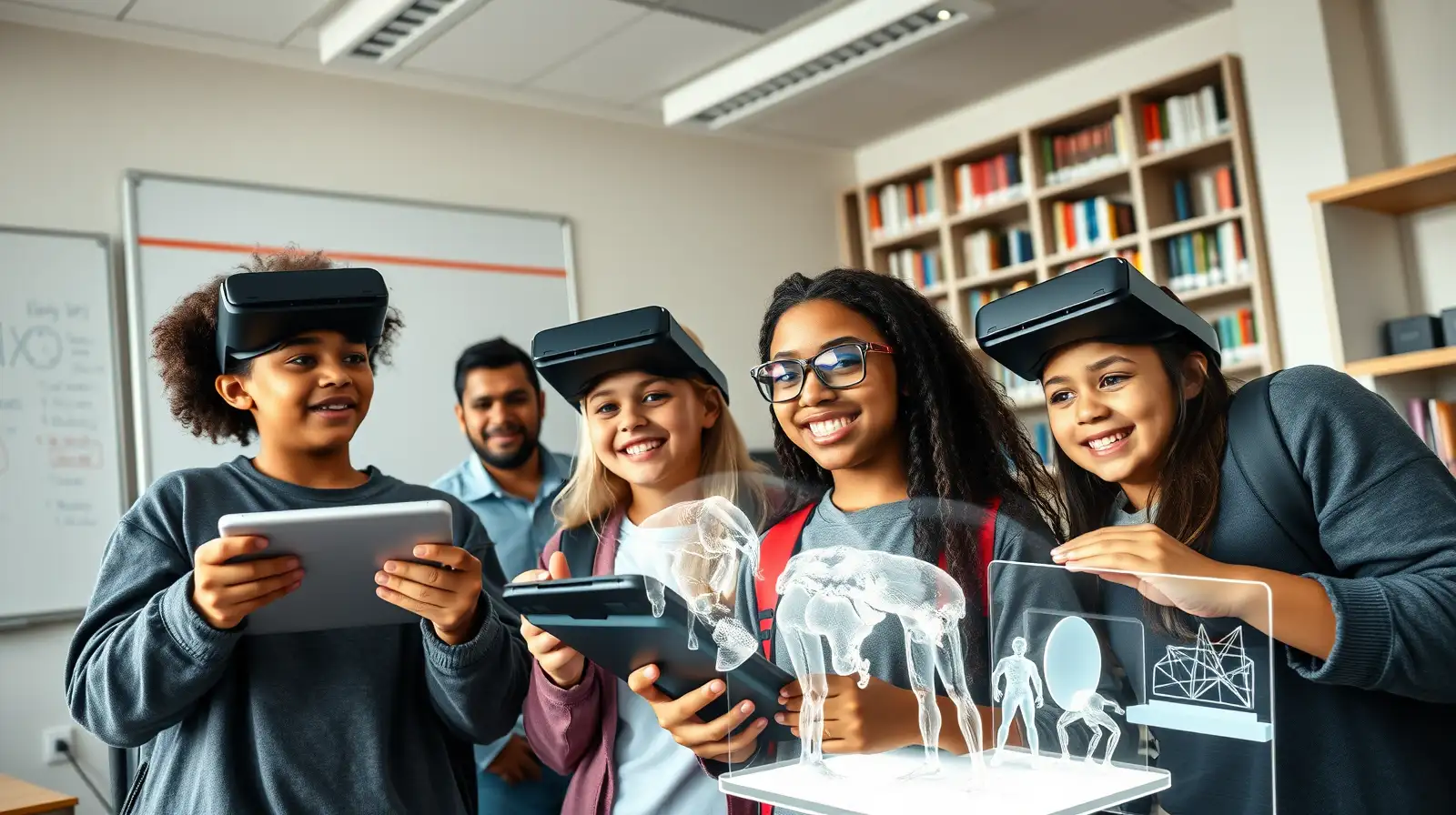
Making Learning More Interactive
Traditional learning often relies on textbooks, diagrams and videos to explain difficult subjects. Augmented reality can add another layer by allowing learners to interact with three-dimensional models and digital information within their surroundings.For example, an educational AR app can display a 3D representation of the human heart, a planet or a historical object on a phone screen. Students can rotate, enlarge and examine these virtual elements from different angles. According to education experts, interactive visual tools can make complex topics easier to explore, although their effectiveness still depends on how well they are integrated into teaching.
You may also like
- Google takes European Union to court; says no to sharing search data with OpenAI and other AI rivals; calls demands too extreme
- Indian Railways approves new MEMU services linking Meerut City with Khurja, Saharanpur
- Meta expands Muse AI agent for small businesses
- Smart glasses have a privacy problem and Meta may have just 'fixed' it
- Meta enters new business focused on selling AI tools to enterprise customers, takes on Google, Microsoft, and OpenAI; Mark Zuckerberg says: We believe superintelligence will...
AR can also support practical learning. Instead of simply reading instructions, learners may be able to follow visual prompts overlaid on real objects. This can be useful for subjects that involve spatial understanding, equipment or step-by-step processes.
Changing The Shopping Experience
Retail is another area where augmented reality shopping tools are becoming increasingly practical. Some apps allow users to preview furniture in a room before buying it, while others can help shoppers visualise certain clothing, accessories or beauty products through their devices.This virtual product visualisation can give consumers more information before they make a purchase. Industry watchers note that such features may also make online shopping more engaging by reducing some of the uncertainty that comes with viewing products only through photographs.
However, AR previews are not a substitute for checking measurements, materials, specifications or other product details. The digital representation may not perfectly reflect real-world colour, size or appearance.
What The Future Could Bring
As AR technology develops, apps could offer more context-sensitive information based on where users are and what they are viewing. In learning, that could mean richer interactive lessons. In retail, it could lead to more personalised product discovery.The biggest value of AR may ultimately come from making digital information more useful in real-world situations, rather than simply adding visual effects.






Loving Newspoint? Download the app now
