
How Scammers Collect Your Name, Phone Number and Financial Information

When a scammer calls and already knows your name, mobile number or even the name of your bank, it can feel as though your personal information has been stolen from somewhere highly secure. In reality, scammers often build their knowledge from several ordinary sources. Public social media profiles, leaked databases, old marketing lists, fraudulent websites, data breaches and information shared during everyday transactions can all contribute to a detailed picture of a potential victim. Sometimes the information is inaccurate or incomplete, but that does not necessarily stop a fraudster from using it. The real danger begins when small pieces of information are combined and used to make a scam appear genuine.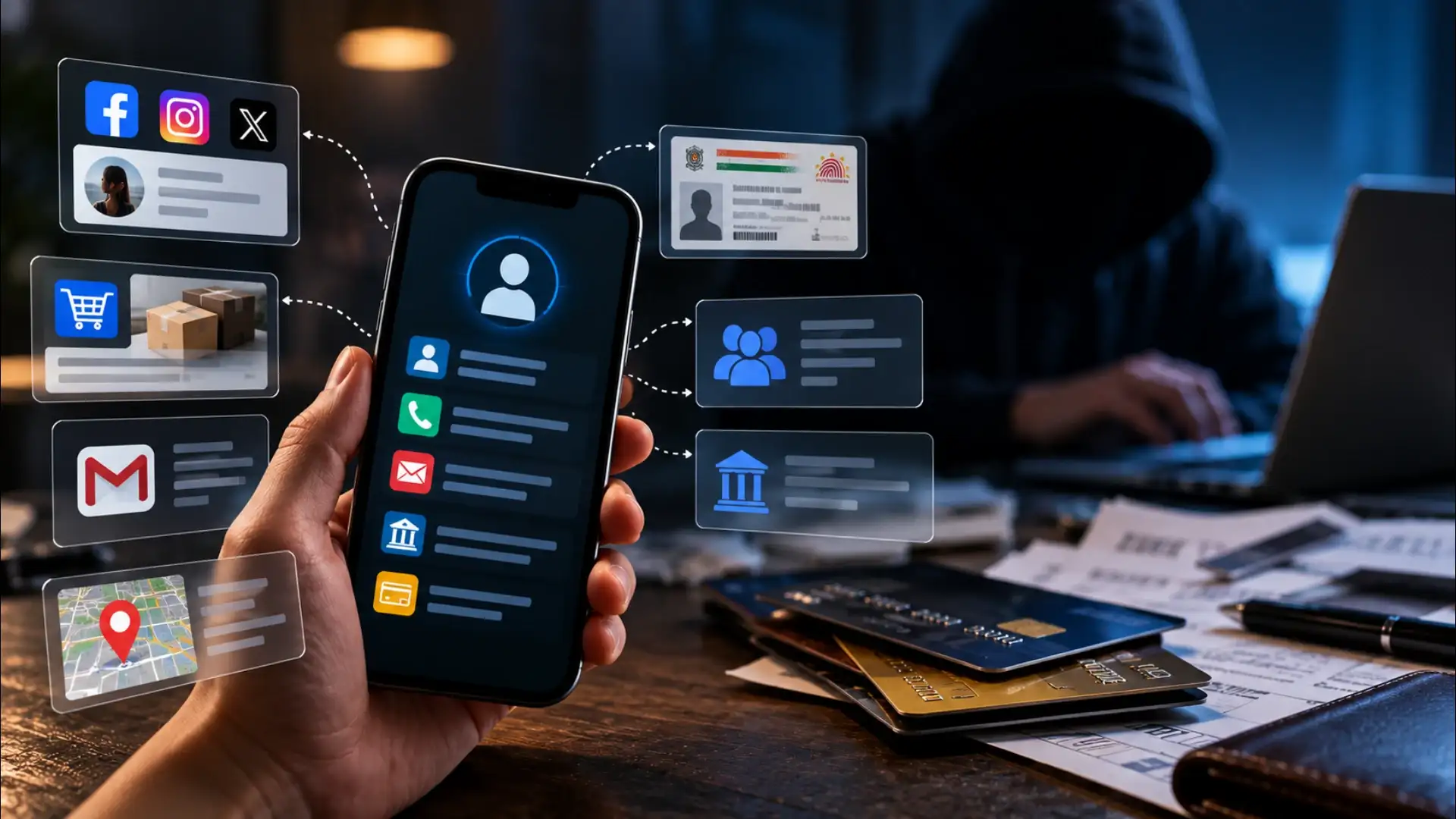
You may have entered your number while ordering something online, registering for a service, requesting a delivery or signing up for an offer. Businesses collect customer information for legitimate reasons, but data can also be exposed through security breaches or mishandled by third parties.
Scammers may also purchase or exchange lists of phone numbers and other personal details on criminal networks.
A person's name, workplace, birthday, city, family members and interests may all be visible through social media. Even seemingly harmless posts can help a scammer create a convincing story.
For example, if someone publicly identifies their employer and regularly posts about banking, travel or shopping, a fraudster can use those details when making a targeted call.
This technique is closely related to social engineering . Instead of breaking into a bank's system, criminals manipulate the customer into believing that the caller is legitimate.
A fraudster might know your name and mobile number and then call pretending to be from a bank, courier company or government department. During the conversation, they may claim that an account needs verification and attempt to obtain the remaining information.
In other cases, criminals acquire financial information through phishing websites, malware, data breaches or fraudulent apps.
A particularly effective trick is to reveal a small amount of genuine information first. Knowing your bank's name or the last few digits of a card can make a scammer sound convincing, even though the information itself may have come from a compromised database.
The important point is that receiving a suspicious call does not necessarily mean your bank account has been hacked. The caller may simply have obtained fragments of information from elsewhere.
Never share passwords, card PINs or one-time passwords because someone contacted you unexpectedly. Banks and legitimate organisations generally do not need you to disclose these secrets over an unsolicited call.
If a caller already knows some of your information, do not treat that as proof of identity. In today's scam environment, knowing your name is not evidence that someone is genuinely calling from your bank.
Your Information May Come From More Places Than You Think
Your name and phone number can appear in many databases without you realising how widely they are being circulated.You may have entered your number while ordering something online, registering for a service, requesting a delivery or signing up for an offer. Businesses collect customer information for legitimate reasons, but data can also be exposed through security breaches or mishandled by third parties.
Scammers may also purchase or exchange lists of phone numbers and other personal details on criminal networks.
Social Media Can Fill in the Missing Pieces
Public profiles are another valuable source of information.A person's name, workplace, birthday, city, family members and interests may all be visible through social media. Even seemingly harmless posts can help a scammer create a convincing story.
For example, if someone publicly identifies their employer and regularly posts about banking, travel or shopping, a fraudster can use those details when making a targeted call.
This technique is closely related to social engineering . Instead of breaking into a bank's system, criminals manipulate the customer into believing that the caller is legitimate.
How Bank Details Enter the Picture
Scammers do not always need your complete bank account information from the beginning.A fraudster might know your name and mobile number and then call pretending to be from a bank, courier company or government department. During the conversation, they may claim that an account needs verification and attempt to obtain the remaining information.
In other cases, criminals acquire financial information through phishing websites, malware, data breaches or fraudulent apps.
A particularly effective trick is to reveal a small amount of genuine information first. Knowing your bank's name or the last few digits of a card can make a scammer sound convincing, even though the information itself may have come from a compromised database.
Why Data Breaches Matter
Large data breaches have made personal information an increasingly valuable commodity. A leaked database may contain names, phone numbers, email addresses and other account information.The important point is that receiving a suspicious call does not necessarily mean your bank account has been hacked. The caller may simply have obtained fragments of information from elsewhere.
How to Protect Yourself
Avoid publishing unnecessary personal details publicly and be cautious about where you enter your phone number or financial information.Never share passwords, card PINs or one-time passwords because someone contacted you unexpectedly. Banks and legitimate organisations generally do not need you to disclose these secrets over an unsolicited call.
If a caller already knows some of your information, do not treat that as proof of identity. In today's scam environment, knowing your name is not evidence that someone is genuinely calling from your bank.
Next Story