
How Smartphones Detect Driving Without You Telling Them

Have you ever noticed your phone switching to a driving mode, silencing notifications or suggesting a route without you explicitly telling it that you are behind the wheel? It can seem as though your smartphone somehow knows exactly what you are doing. In reality, it is making an educated technological guess. Modern phones contain several sensors that continuously provide information about movement, location and orientation. By combining these signals with machine-learning models, smartphones can recognise patterns associated with travelling in a vehicle. The process is clever, but it is not perfect. Your phone is essentially watching how it moves and asking what that movement most closely resembles.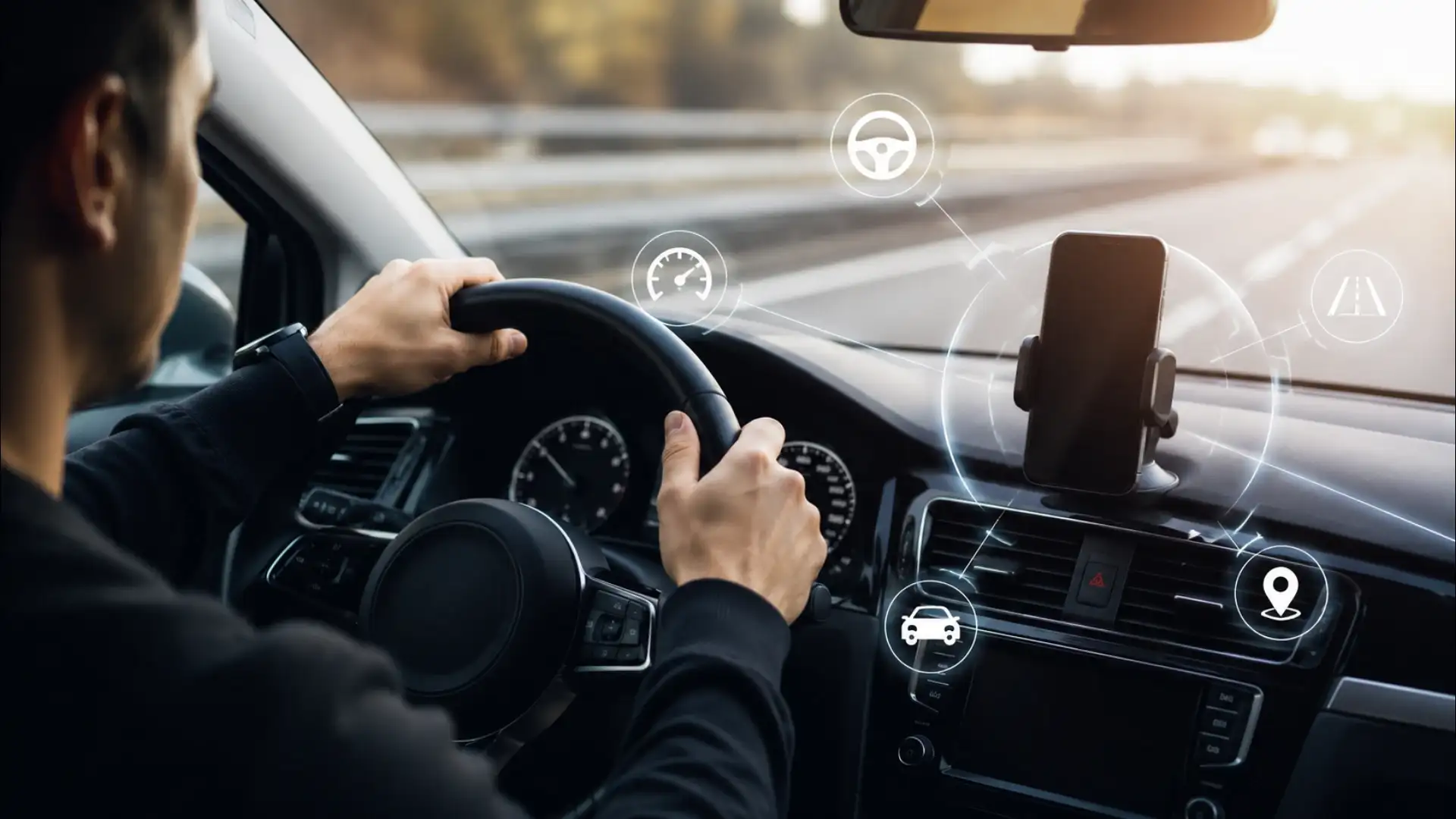
The phone does not necessarily need to keep GPS running constantly. Activity-recognition systems can periodically examine short bursts of sensor information, helping reduce battery consumption. Google’s activity-recognition technology can classify activities such as walking, cycling, being still or travelling in a vehicle.
Those patterns are quite different from the movement of someone walking or cycling. Research into smartphone-based driving detection has shown that accelerometer, gyroscope and magnetometer data can be combined to distinguish different vehicle movements, including stopping, going straight and turning.
This does not mean your phone understands driving in the human sense. Instead, algorithms look for combinations of signals that match known activity patterns.
But GPS alone is not enough. A passenger and driver can travel at exactly the same speed and follow the same route. This is why activity detection is based on multiple signals rather than one simple measurement.
The technology matters because recognising driving can make phones safer and more useful. Apps can reduce distractions, activate driving-focused interfaces or adjust how notifications are handled when movement suggests that someone is in a vehicle.
So your phone is not secretly watching you through the camera to discover whether you are driving. In many cases, it is simply listening to tiny changes in motion that you never notice. Every acceleration, turn and stop leaves a small physical signature, and your smartphone has the sensors to recognise it.
Your Phone Has a Built-In Motion Toolkit
One of the most important pieces of the puzzle is the accelerometer. It measures changes in the phone’s movement, while the gyroscope measures how the device rotates. Modern smartphones can also use GPS and other location signals to understand how quickly and where the device is travelling. Apple, for example, lists accelerometers, gyroscopes, magnetometers, GPS and barometers among the sensors available for gathering contextual information.The phone does not necessarily need to keep GPS running constantly. Activity-recognition systems can periodically examine short bursts of sensor information, helping reduce battery consumption. Google’s activity-recognition technology can classify activities such as walking, cycling, being still or travelling in a vehicle.
Movement Gives Away the Journey
Imagine your phone is sitting in a car cup holder. It experiences a particular pattern of acceleration when the car pulls away, followed by relatively steady movement. Braking creates another pattern, while turning introduces changes in direction and rotation.Those patterns are quite different from the movement of someone walking or cycling. Research into smartphone-based driving detection has shown that accelerometer, gyroscope and magnetometer data can be combined to distinguish different vehicle movements, including stopping, going straight and turning.
You may also like
- Quote of the day by Larry Page: 'Lots of companies don't succeed over time'
- iQoo teases new Buds TWS design, set to launch alongside iQoo Z11 on August 20: What we know so far
- Itel launches its first ever home appliance portfolio in India with new washing machines and TVs: All details
- Google Cloud and Mahindra partners to bring Gemini Enterprise experience in car
- India's next generation of builders and innovators is already here: Gautam Adani
This does not mean your phone understands driving in the human sense. Instead, algorithms look for combinations of signals that match known activity patterns.
GPS Adds Another Important Clue
Location information can strengthen the prediction. If your phone detects movement consistent with a vehicle and its location is changing rapidly along a road, the evidence becomes stronger.But GPS alone is not enough. A passenger and driver can travel at exactly the same speed and follow the same route. This is why activity detection is based on multiple signals rather than one simple measurement.
Why Your Phone Makes Mistakes
There are situations where the technology can be fooled. A fast train, bus or even a bumpy ride can produce movement patterns that resemble driving. The phone may therefore report an activity with a confidence level rather than treating its prediction as absolute. Google’s activity-recognition system explicitly provides confidence information alongside detected activities.The technology matters because recognising driving can make phones safer and more useful. Apps can reduce distractions, activate driving-focused interfaces or adjust how notifications are handled when movement suggests that someone is in a vehicle.
So your phone is not secretly watching you through the camera to discover whether you are driving. In many cases, it is simply listening to tiny changes in motion that you never notice. Every acceleration, turn and stop leaves a small physical signature, and your smartphone has the sensors to recognise it.






Loving Newspoint? Download the app now
