
How to Choose the Right Power Bank: Essential Features to Look For

In today’s fast-paced digital world, staying connected is non-negotiable. Whether you're a frequent traveller, a busy professional, or a student attending back-to-back online classes, a power bank can be a lifesaver. However, not all power banks are built alike. From voltage output to battery safety, multiple factors determine whether your power bank can deliver safe, reliable, and efficient charging. This article outlines the most important features to consider before purchasing a power bank, ensuring both device compatibility and long-term performance.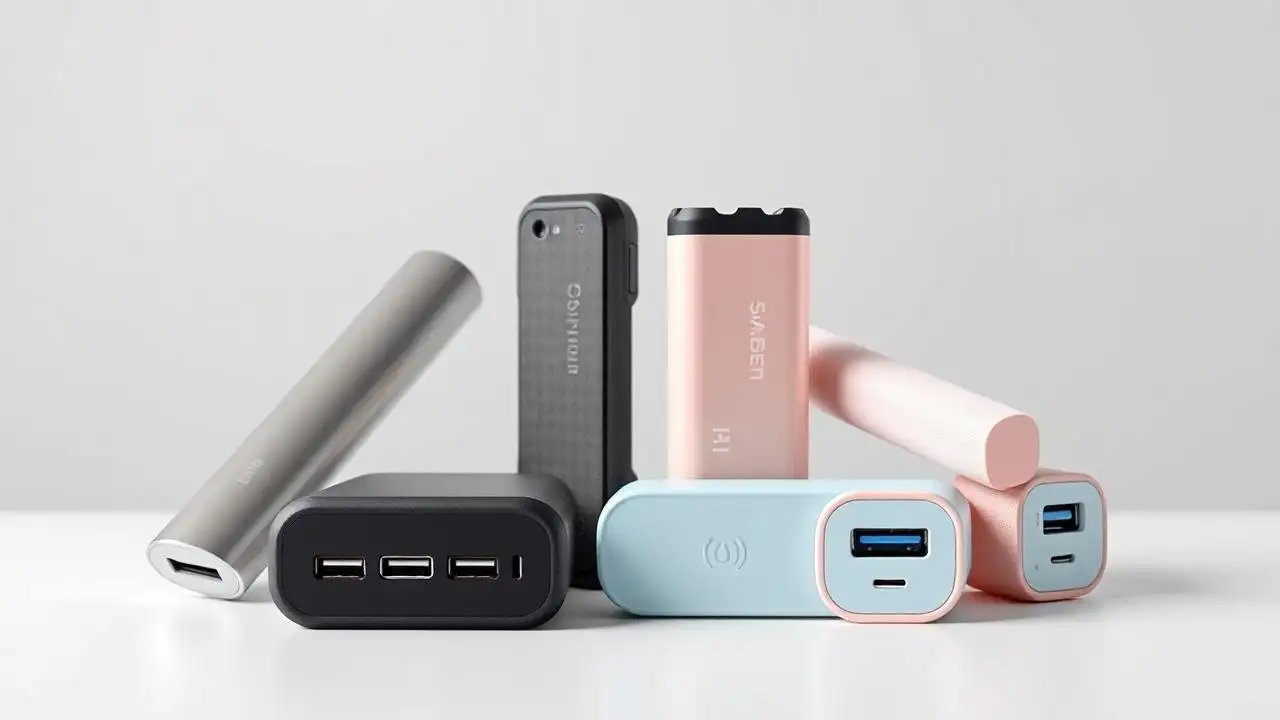
One of the first things to check in a power bank is its voltage output. Most smartphones today charge at a standard voltage of 5 volts. However, newer and more advanced devices may require higher voltage levels, especially when using fast-charging technologies.
If the voltage supplied by the power bank is too low, it may fail to charge your device efficiently—or at all. Before purchasing, compare the voltage requirement of your device with the power bank's output listed in the product specifications. This small check can prevent compatibility issues and inefficient charging.
Power bank capacity is typically measured in milliampere-hours (mAh). To find the right size, first identify your phone’s battery capacity—usually found in settings or online under specifications. Ideally, choose a power bank with at least twice the capacity of your phone battery.
For example, if your smartphone has a 4,000 mAh battery, consider a power bank with at least 8,000 mAh. This ensures your phone can be charged at least twice on a full power bank. Higher capacity banks, like 10,000 or 20,000 mAh, are ideal for heavy users or those who travel frequently.
Not all power banks offer equal protection. Using a low-quality power bank can lead to overheating, overcharging, or short-circuiting—all of which pose serious risks to your device and even to your safety.
Look for power banks with built-in safeguards, such as:
The internal battery type of the power bank plays a major role in its safety and durability. Avoid products that use unbranded or recycled battery cells, which are more likely to leak or overheat.
The two most reliable battery types are:
Depending on how many devices you need to charge at once, look at the number of USB ports the power bank provides. Some only have one port, while others may offer two or more. Multiple ports allow you to charge more than one device simultaneously—convenient for users carrying phones, tablets, wireless earbuds, or smartwatches.
Also, check the type of ports (USB-A, USB-C, or Micro-USB) to ensure they are compatible with your charging cables. Some newer power banks also support fast-charging USB-C output, making them ideal for modern smartphones.
Power banks are designed to be portable, so they often experience regular wear and tear. A durable exterior casing is vital for ensuring longevity and safety. High-quality plastic or aluminium casings offer better protection against impact, dust, and moisture.
A well-built power bank not only lasts longer but also better shields the internal battery components. Water-resistant and shockproof designs are great options for outdoor travellers and users who carry devices in backpacks or purses.
A clear and accurate power indicator is an underrated but essential feature. It helps you know how much power is left and prevents sudden battery drain while you're on the move. Indicators typically come in two forms:
Buying a power bank is more than just choosing the one with the highest capacity or lowest price. To ensure the safety of your device, long-term reliability, and maximum convenience, check for essential features like proper voltage, safe battery type, certified protection systems, port compatibility, and build quality.
With the right choice, a good power bank becomes a trusted companion—keeping you connected, charged, and stress-free wherever life takes you.
Voltage Output: Compatibility Is Crucial
One of the first things to check in a power bank is its voltage output. Most smartphones today charge at a standard voltage of 5 volts. However, newer and more advanced devices may require higher voltage levels, especially when using fast-charging technologies.
If the voltage supplied by the power bank is too low, it may fail to charge your device efficiently—or at all. Before purchasing, compare the voltage requirement of your device with the power bank's output listed in the product specifications. This small check can prevent compatibility issues and inefficient charging.
Capacity of Charge: Go Beyond Just One Refill
Power bank capacity is typically measured in milliampere-hours (mAh). To find the right size, first identify your phone’s battery capacity—usually found in settings or online under specifications. Ideally, choose a power bank with at least twice the capacity of your phone battery.
For example, if your smartphone has a 4,000 mAh battery, consider a power bank with at least 8,000 mAh. This ensures your phone can be charged at least twice on a full power bank. Higher capacity banks, like 10,000 or 20,000 mAh, are ideal for heavy users or those who travel frequently.
Safety Features: Protect Your Device and Yourself
Not all power banks offer equal protection. Using a low-quality power bank can lead to overheating, overcharging, or short-circuiting—all of which pose serious risks to your device and even to your safety.
Look for power banks with built-in safeguards, such as:
- Overcharge protection
- Short-circuit prevention
- Temperature control
- Surge protection
- Auto cut-off when the device is fully charged
Battery Type: Opt for Safe and Certified Cells
The internal battery type of the power bank plays a major role in its safety and durability. Avoid products that use unbranded or recycled battery cells, which are more likely to leak or overheat.
The two most reliable battery types are:
- Lithium Ion (Li-ion)
- Lithium Polymer (Li-Po)
Number and Type of Charging Ports
Depending on how many devices you need to charge at once, look at the number of USB ports the power bank provides. Some only have one port, while others may offer two or more. Multiple ports allow you to charge more than one device simultaneously—convenient for users carrying phones, tablets, wireless earbuds, or smartwatches.
Also, check the type of ports (USB-A, USB-C, or Micro-USB) to ensure they are compatible with your charging cables. Some newer power banks also support fast-charging USB-C output, making them ideal for modern smartphones.
Build Quality: Choose Durable Materials
Power banks are designed to be portable, so they often experience regular wear and tear. A durable exterior casing is vital for ensuring longevity and safety. High-quality plastic or aluminium casings offer better protection against impact, dust, and moisture.
A well-built power bank not only lasts longer but also better shields the internal battery components. Water-resistant and shockproof designs are great options for outdoor travellers and users who carry devices in backpacks or purses.
Power Indicator: Keep Track of Charge Levels
A clear and accurate power indicator is an underrated but essential feature. It helps you know how much power is left and prevents sudden battery drain while you're on the move. Indicators typically come in two forms:
- LED lights showing battery levels (e.g., four lights = 100%)
- Digital display showing exact percentage
Buying a power bank is more than just choosing the one with the highest capacity or lowest price. To ensure the safety of your device, long-term reliability, and maximum convenience, check for essential features like proper voltage, safe battery type, certified protection systems, port compatibility, and build quality.
With the right choice, a good power bank becomes a trusted companion—keeping you connected, charged, and stress-free wherever life takes you.
Next Story