
Running Low on Battery? Here’s How to Pick the Perfect Power Bank

We’ve all been there-your phone hits 1% just when you need it most. Whether you're traveling, working remotely, or stuck in a power outage, a power bank can be your ultimate backup. But with so many types, sizes, and specs available, choosing the right one can be confusing. This guide breaks it all down-so you can stay charged, connected, and stress-free wherever life takes you.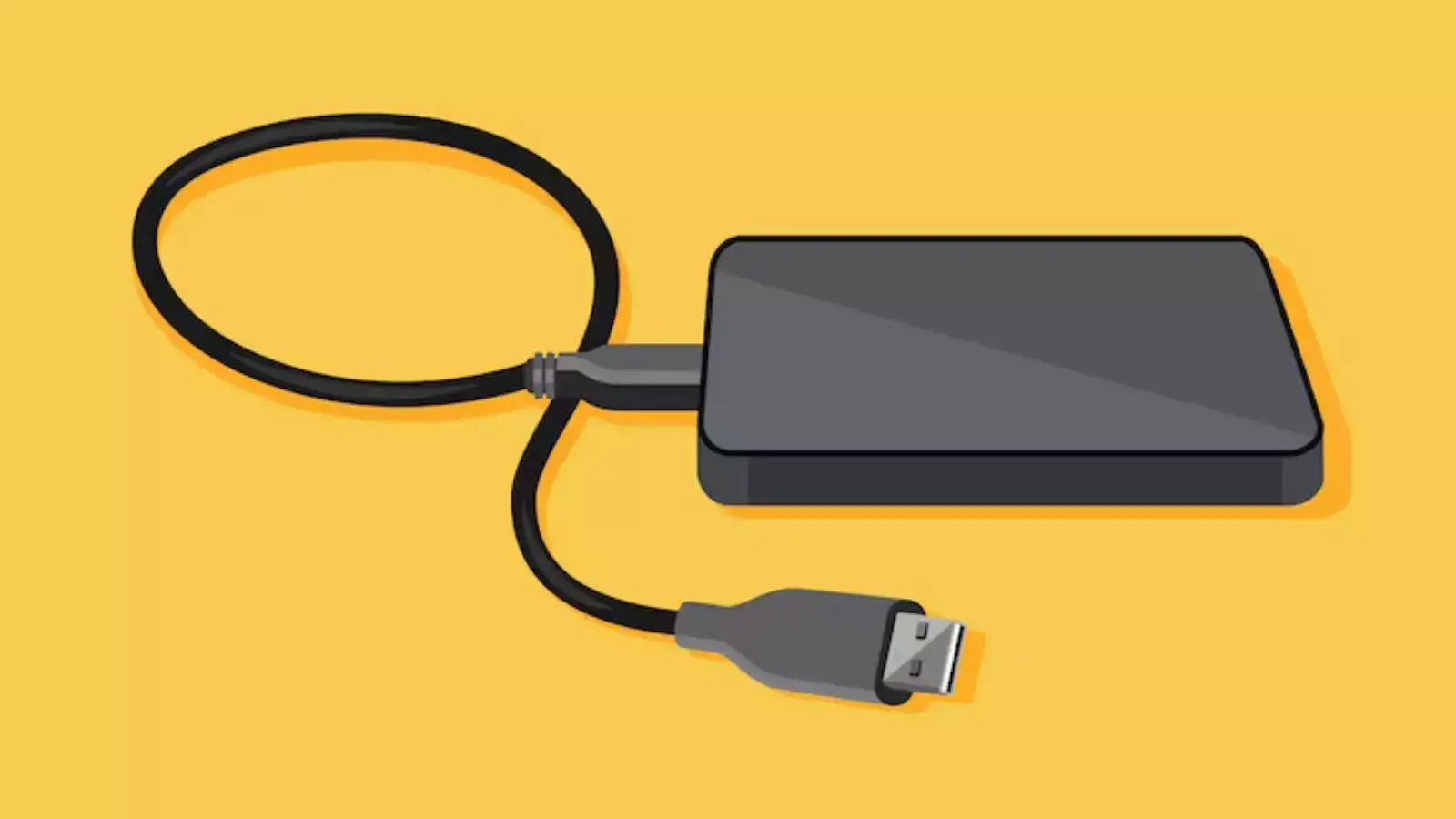
1. Know Your Charging Needs
Start by understanding what devices you’ll be charging. If it's just your phone, a smaller capacity might do. But if you’re charging tablets, laptops, or multiple devices, you'll need something more powerful.
Quick Tip: A 10,000mAh power bank can typically charge a 3,000mAh phone about 2 to 2.5 times, accounting for power loss during transfer.
3. Look at Output Power (W/Amps/Volts)
Fast charging is a game-changer. Look for power banks that offer higher output (2A or more) and support standards like Quick Charge or Power Delivery (PD) for speedy refuels.
More ports mean more convenience. Here’s what to look for:
Reputable brands may cost a bit more but offer better safety, durability, and efficiency.
High-capacity power banks can take hours to charge. To avoid long wait times, look for models that support fast recharging through USB-C PD or similar technologies.
Stick to trusted brands with good after-sales service. A solid warranty (usually 6 months to 1 year) can save you trouble down the road.
A power bank is more than just a battery; it’s a companion for your on-the-go lifestyle. Make sure you choose one that matches your device needs, travel habits, and budget. With the right power bank in your bag, you’ll never have to worry about dead batteries again.
1. Know Your Charging Needs
Start by understanding what devices you’ll be charging. If it's just your phone, a smaller capacity might do. But if you’re charging tablets, laptops, or multiple devices, you'll need something more powerful. - Phones: 5,000mAh to 10,000mAh is usually enough.
- Tablets/Laptops: Go for 20,000mAh and above.
- Multiple Devices: Look for multi-port power banks with high capacity.
2. Check the Capacity (mAh)
The capacity, measured in milliamp-hours (mAh), determines how many times a power bank can charge your device. More mAh means more juice but also a bigger and heavier device.Quick Tip: A 10,000mAh power bank can typically charge a 3,000mAh phone about 2 to 2.5 times, accounting for power loss during transfer.
3. Look at Output Power (W/Amps/Volts)
Fast charging is a game-changer. Look for power banks that offer higher output (2A or more) and support standards like Quick Charge or Power Delivery (PD) for speedy refuels.You may also like
- Apple's smart home hub could arrive next month with a square screen, face recognition, and Siri AI
- Winamp, the MP3 player that ruled Windows desktops, returns in 2027 with its first paid subscription
- Marvel's Wolverine hotfix finally dims the scent trails
- Airtel Cloud crosses 40 customers in a year, manufacturing firms lead adoption
- ASML begins India operations, links scaling-up plan with success of Tata Electronics, govt ambition
- Standard charging: 5V/1A
- Fast charging: 5V/2A, 9V/2A, or higher
- Laptop charging: USB-C with 45W–65W PD support
4. Port Types and Number
More ports mean more convenience. Here’s what to look for:
- USB-A: Standard output port.
- USB-C: Fast, versatile port for input/output. Ideal for newer devices.
- Micro-USB: Mostly for input; becoming outdated.
- Lightning port: Some power banks support Apple’s charging cable as input.
- Choose a power bank with multiple output ports if you frequently charge more than one device.
5. Size and Portability
- There’s always a trade-off between capacity and portability.
- Pocket-size (5,000–10,000mAh): Light and travel-friendly.
- Medium (10,000–20,000mAh): Balance of capacity and weight.
- High-capacity (20,000mAh+): Bulky but ideal for long trips or power users.
6. Build Quality and Safety Features
Don’t compromise on safety. Look for features like:
- Overcharge protection
- Short-circuit protection
- Temperature control
- Over-voltage protection
Reputable brands may cost a bit more but offer better safety, durability, and efficiency.
7. Charging Speed of the Power Bank Itself
High-capacity power banks can take hours to charge. To avoid long wait times, look for models that support fast recharging through USB-C PD or similar technologies.
8. Brand Reputation and Warranty
Stick to trusted brands with good after-sales service. A solid warranty (usually 6 months to 1 year) can save you trouble down the road.
9. Bonus Features to Consider
- Digital display: Shows exact battery percentage.
- Wireless charging: Handy for compatible devices.
- Solar charging: Great for outdoor use.
- LED flashlight: A small but useful feature.
In Summary: What to Look For
Feature Recommendation
- Capacity 10,000–20,000mAh for most users
- Output Fast charging (Quick Charge, PD support)
- Ports At least 2, including USB-C
- Build & Safety Overcharge and short-circuit protection
- Size Based on usage—daily vs. travel
- Brand & Warranty Go with reliable, well-reviewed brands
A power bank is more than just a battery; it’s a companion for your on-the-go lifestyle. Make sure you choose one that matches your device needs, travel habits, and budget. With the right power bank in your bag, you’ll never have to worry about dead batteries again.






Loving Newspoint? Download the app now
