
How to Spot a Deepfake: 7 Warning Signs You Should Know

A few years ago, spotting a deepfake could be surprisingly easy. A face might look strangely smooth, the lips might move slightly out of sync or the eyes might behave unnaturally. Today, those obvious mistakes are disappearing. Generative AI can now produce convincing faces, voices and videos at a speed and cost that would have seemed unrealistic only a few years ago.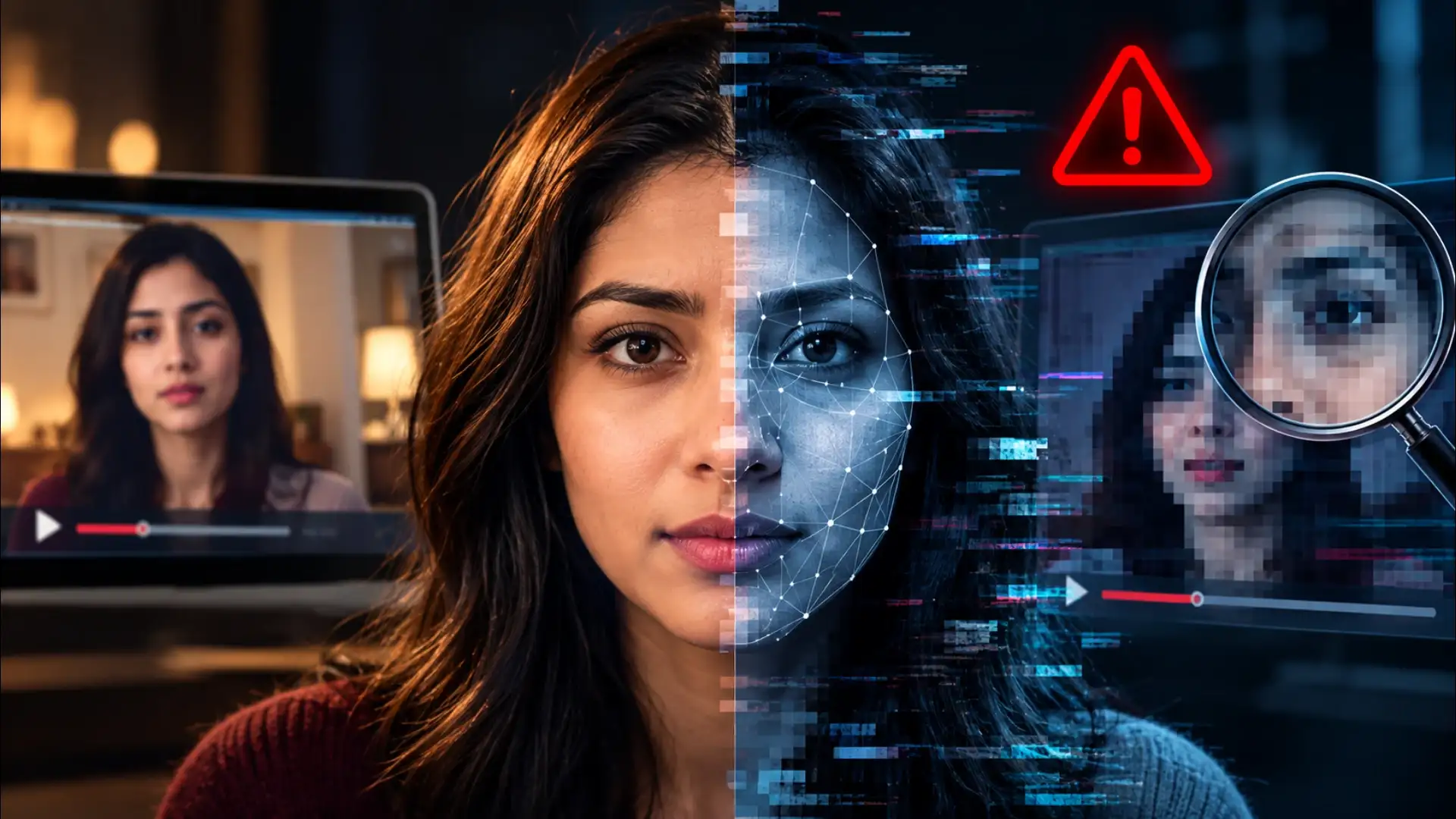
That does not mean every deepfake is impossible to recognise. Small inconsistencies can still provide useful clues, particularly when you slow down and examine the entire piece of content rather than trusting a single visual detail.
This is not proof by itself. Compression, poor internet connections and ordinary video editing can also create apparent synchronisation problems. But repeated mismatches deserve attention.
If a face appears brightly illuminated while nearby objects suggest a different light source, the image deserves closer scrutiny.
Look for details that change unexpectedly between frames. A watch, earring or background object that subtly changes shape can be more revealing than an unusual-looking face.
Backgrounds can also contain clues. Text on signs may be distorted, objects may merge together or architectural details may not make physical sense.
A voice that sounds slightly different from a person's normal recordings is not automatically fake. Background noise, microphones and editing can change genuine recordings too.
However, there is an important warning. Modern deepfakes are increasingly difficult for people to identify reliably. NIST's current deepfake research notes that detection systems can lose substantial performance when moving from academic testing to real-world deployment.
Look for the original upload, reputable reporting or additional recordings of the same event. Content Credentials, developed through the C2PA standard, can provide cryptographically verifiable information about how digital media was created and modified.
But provenance is not a guarantee that something is true. C2PA itself notes that provenance can establish information about an asset's history without proving that the content depicts reality.
That means verification increasingly needs to combine visual inspection, source checking, context and provenance rather than relying on one giveaway.
The most important habit is therefore not learning to spot one particular AI mistake. It is learning to pause before believing highly emotional or surprising digital content, especially when there is no reliable source behind it.
That does not mean every deepfake is impossible to recognise. Small inconsistencies can still provide useful clues, particularly when you slow down and examine the entire piece of content rather than trusting a single visual detail.
1. Watch the Mouth and Speech
Lip synchronisation remains worth checking, particularly in manipulated video. Watch closely for moments where the person's mouth shape does not quite match the sound.This is not proof by itself. Compression, poor internet connections and ordinary video editing can also create apparent synchronisation problems. But repeated mismatches deserve attention.
2. Look at Lighting and Shadows
AI-generated images and videos sometimes struggle with physical consistency. Look at the direction of light on the face, reflections on glasses and shadows cast by objects.If a face appears brightly illuminated while nearby objects suggest a different light source, the image deserves closer scrutiny.
3. Examine Hands, Teeth and Small Details
Hands have become a famous weakness of image-generation systems, although modern models are considerably better than earlier versions. Fingers, jewellery, teeth, ears and complicated objects can still reveal strange distortions.Look for details that change unexpectedly between frames. A watch, earring or background object that subtly changes shape can be more revealing than an unusual-looking face.
4. Check Reflections and Backgrounds
Mirrors, windows and shiny surfaces can expose inconsistencies. Reflections should follow the same geometry, movement and lighting as the objects producing them.Backgrounds can also contain clues. Text on signs may be distorted, objects may merge together or architectural details may not make physical sense.
5. Listen for an Unnatural Voice
AI-generated speech can be extremely convincing, but listen for unusual pauses, strange emphasis, inconsistent pronunciation or an oddly uniform rhythm.A voice that sounds slightly different from a person's normal recordings is not automatically fake. Background noise, microphones and editing can change genuine recordings too.
6. Slow the Video Down
Some inconsistencies are almost invisible at normal playback speed. Slowing down a suspicious clip can reveal facial distortions, unnatural transitions or objects changing between frames.However, there is an important warning. Modern deepfakes are increasingly difficult for people to identify reliably. NIST's current deepfake research notes that detection systems can lose substantial performance when moving from academic testing to real-world deployment.
7. Check Where the Content Came From
Perhaps the most useful clue is not inside the image at all. Ask where the content originated.Look for the original upload, reputable reporting or additional recordings of the same event. Content Credentials, developed through the C2PA standard, can provide cryptographically verifiable information about how digital media was created and modified.
But provenance is not a guarantee that something is true. C2PA itself notes that provenance can establish information about an asset's history without proving that the content depicts reality.
Why Deepfake Detection Is Becoming a Bigger Problem
The old advice to simply "look for weird AI details" is becoming less reliable. Generative models are improving, while social platforms can compress, crop and re-edit content, potentially removing useful clues.That means verification increasingly needs to combine visual inspection, source checking, context and provenance rather than relying on one giveaway.
The most important habit is therefore not learning to spot one particular AI mistake. It is learning to pause before believing highly emotional or surprising digital content, especially when there is no reliable source behind it.
Next Story