
Real or Fake? How to Identify AI-Generated Viral Videos

Artificial intelligence can now create videos that look remarkably close to real footage. That becomes a serious problem when the subject is a disaster, accident or major breaking-news event.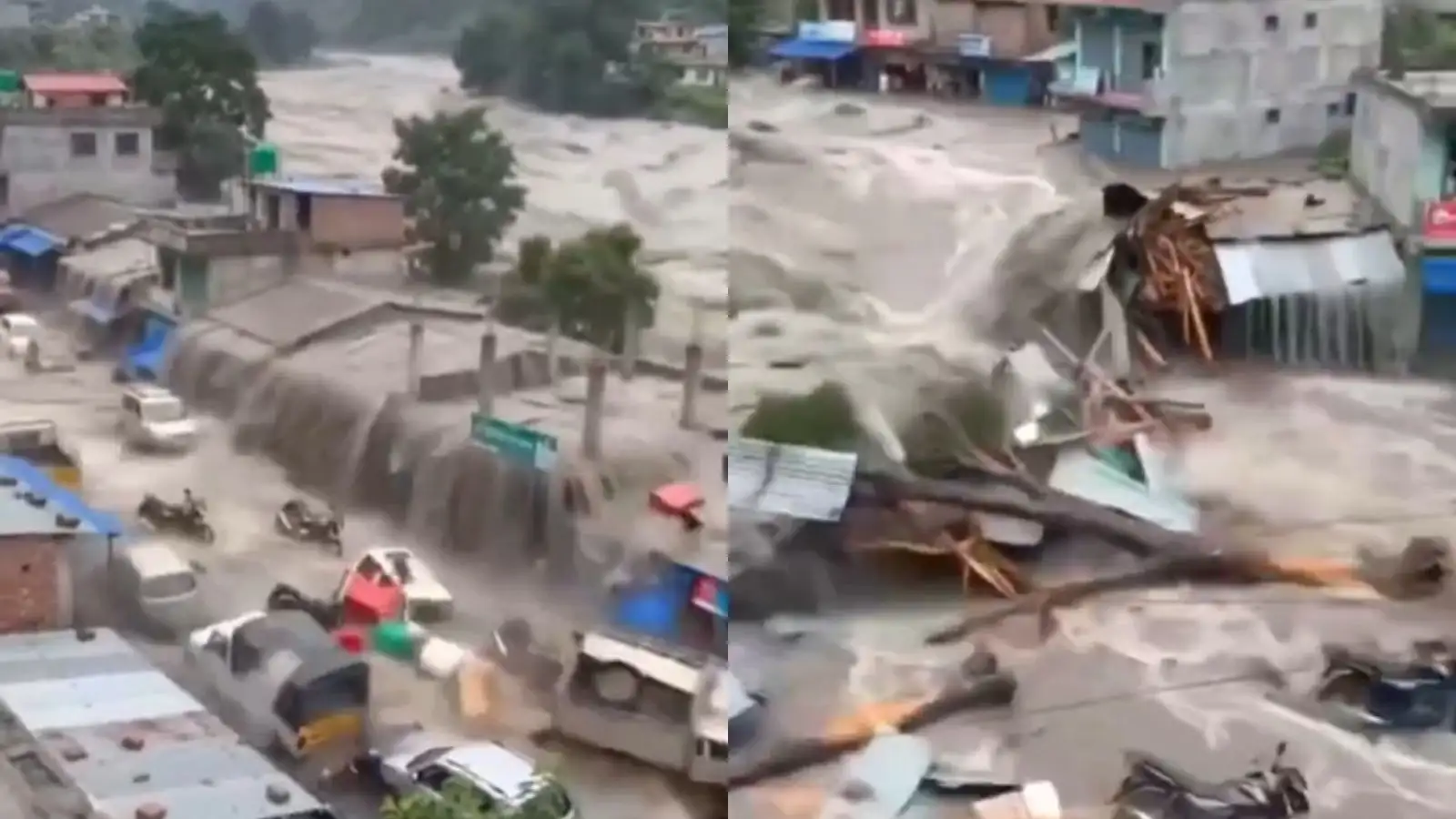
Videos claiming to show the deadly floods in Nepal have been circulating online. However, at least one dramatic clip has been identified as AI-generated. The incident is a reminder that not every shocking video on social media is genuine.
So, how can you tell if a video might have been created using AI? Here are four simple checks.
The suspicious Nepal flood clip was only about 10 seconds long. Some AI video generators, especially free versions, have traditionally produced short clips because of generation limits.
But a short video is not proof of AI generation. Real videos can also be brief. Treat the length only as an initial clue and look for other signs.
Several technology companies have developed systems that can identify content generated by their AI models. These tools can provide useful clues about a video's origin.
However, don't treat a detector's result as absolute proof. AI detection is evolving, and tools can sometimes make mistakes. Use the result alongside other checks.
Slow the video down and carefully observe people, buildings, vehicles, trees and other objects. In the Nepal flood clip, some details reportedly change unexpectedly. Red containers visible in one section appear to disappear, while a log seems to appear suddenly. A building and tree also seem to emerge abruptly as the camera moves back around the seven-second mark.
These inconsistencies can be important warning signs. AI-generated scenes may struggle to keep objects, shapes and backgrounds consistent from one frame to another.
Does the movement of the water make sense? Are people and vehicles behaving naturally? Do objects interact with each other realistically? Are shapes, faces or buildings changing unexpectedly?
AI can struggle with complicated scenes involving fast-moving water, crowds and multiple moving objects. Strange movements, distorted details or physically impossible interactions should make you pause before believing the footage.
The situation becomes even more confusing when AI-generated footage is mixed with genuine images and videos from the same disaster. In Nepal, real footage of people affected by the floods is already available, making it easier for fake clips to appear convincing.
Before sharing a dramatic video, check where it came from, slow it down, inspect the details, try a detection tool and compare it with credible news reports.
A few seconds of verification can stop a fake video from reaching thousands or even millions of people.
Videos claiming to show the deadly floods in Nepal have been circulating online. However, at least one dramatic clip has been identified as AI-generated. The incident is a reminder that not every shocking video on social media is genuine.
So, how can you tell if a video might have been created using AI? Here are four simple checks.
1. Check the Video Length
Start with something basic: how long is the video?The suspicious Nepal flood clip was only about 10 seconds long. Some AI video generators, especially free versions, have traditionally produced short clips because of generation limits.
But a short video is not proof of AI generation. Real videos can also be brief. Treat the length only as an initial clue and look for other signs.
2. Try AI Detection Tools
If a video appears unusually perfect, dramatic or simply too strange to be true, run it through an AI-detection tool.Several technology companies have developed systems that can identify content generated by their AI models. These tools can provide useful clues about a video's origin.
However, don't treat a detector's result as absolute proof. AI detection is evolving, and tools can sometimes make mistakes. Use the result alongside other checks.
You may also like
- Hack of the day: How to check your EPF pension passbook details
- As Bill Gates warns AI could wipe out jobs, US Senator Bernie Sanders backs him with a 5-word-warning; says: Congress must stand up to...
- HP unveils DesignJet XT870 large-format printer at Photo Video Asia 2026: Price, features and more
- Apple Watch Series 12, Watch Ultra 4 may get these two health updates
- Is Your Phone Camera Being Accessed Without Permission? Here's How to Check and Protect Your Privacy
3. Slow Down the Video
One of the easiest ways to spot AI-generated footage is to watch it frame by frame.Slow the video down and carefully observe people, buildings, vehicles, trees and other objects. In the Nepal flood clip, some details reportedly change unexpectedly. Red containers visible in one section appear to disappear, while a log seems to appear suddenly. A building and tree also seem to emerge abruptly as the camera moves back around the seven-second mark.
These inconsistencies can be important warning signs. AI-generated scenes may struggle to keep objects, shapes and backgrounds consistent from one frame to another.
4. Ask: Does Everything Look Physically Possible?
Don't just look at individual objects. Look at the entire scene.Does the movement of the water make sense? Are people and vehicles behaving naturally? Do objects interact with each other realistically? Are shapes, faces or buildings changing unexpectedly?
AI can struggle with complicated scenes involving fast-moving water, crowds and multiple moving objects. Strange movements, distorted details or physically impossible interactions should make you pause before believing the footage.
Why Checking Matters
Fake disaster videos can spread extremely quickly because shocking visuals often trigger an immediate emotional reaction. Some may be made simply to attract views and engagement, while others could deliberately spread misinformation.The situation becomes even more confusing when AI-generated footage is mixed with genuine images and videos from the same disaster. In Nepal, real footage of people affected by the floods is already available, making it easier for fake clips to appear convincing.
Before sharing a dramatic video, check where it came from, slow it down, inspect the details, try a detection tool and compare it with credible news reports.
A few seconds of verification can stop a fake video from reaching thousands or even millions of people.






Loving Newspoint? Download the app now
