
How To Spot And Avoid UPI Scams: Key Tips To Protect Yourself

Unified Payments Interface (UPI) has transformed the way we handle digital transactions in India, making it quick and easy to send money. However, as its popularity grows, so do the attempts by scammers to exploit it. Cybercriminals have developed crafty methods to cheat people without even needing their bank details. But, with a little caution and awareness, you can identify these scams and protect your hard-earned money. Let’s explore some common UPI scam tactics and how to stay safe.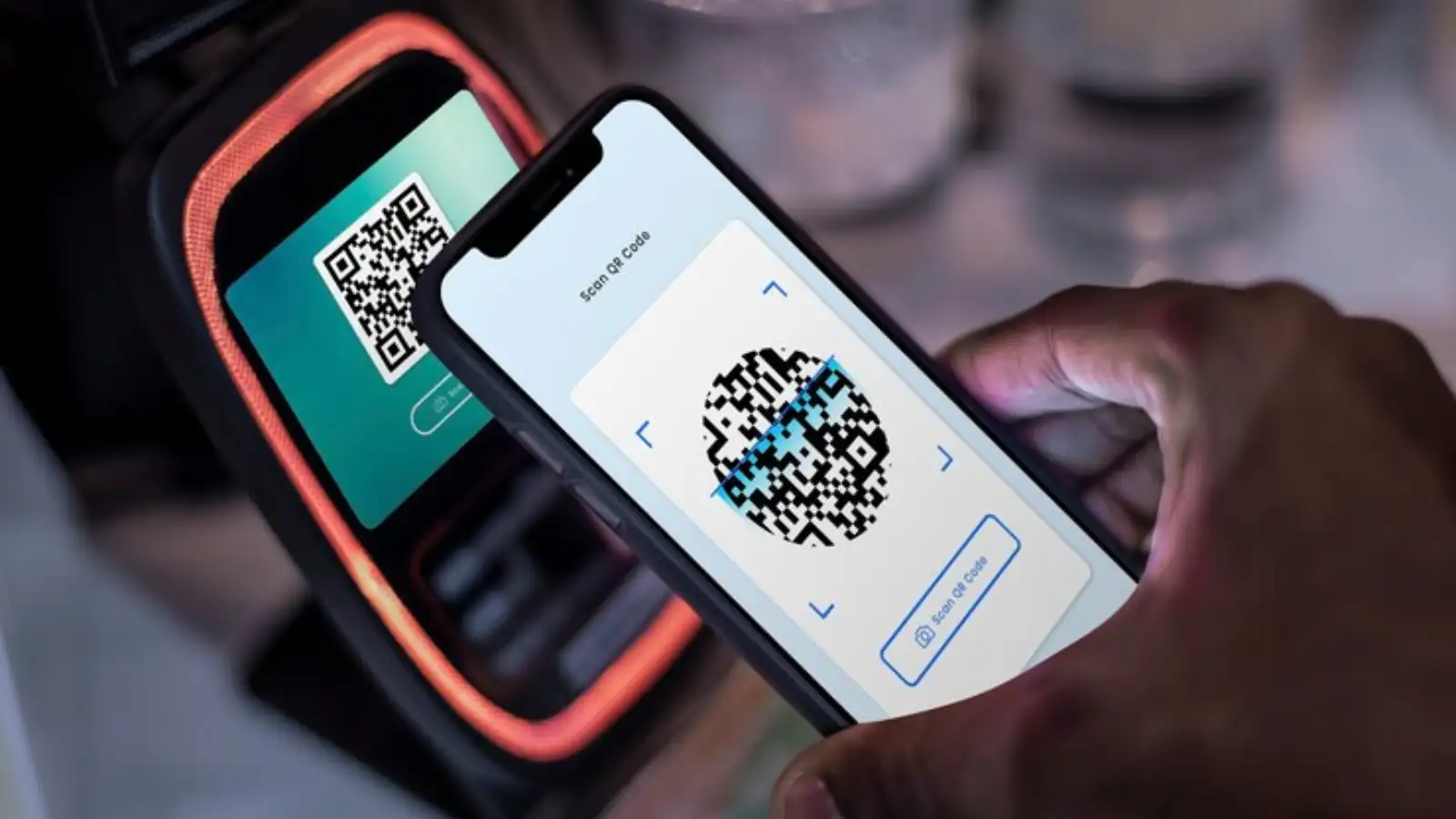
1. UPI PIN Scams: Don’t Share It!
One of the most common tricks scammers use is asking for your UPI PIN. They may contact you, claiming you’ve won a lucky draw or prize, but to receive the money, they ask for your PIN. This is a red flag! Always remember, you never need to enter or share your UPI PIN to receive money—it's only required when sending money. If you give away your PIN, instead of receiving a prize, money will be withdrawn from your account.
2. Fake 'Accidental' Payments: Think Before You Act
Scammers might call and claim they accidentally transferred money into your account, often quoting a large amount to grab your attention. They’ll urgently request you to return the money, possibly citing a fake emergency. Before you act, first check your bank account to confirm if any funds have actually been credited. Scammers may also send fake SMS messages showing a transaction that never occurred. Always rely on your bank’s official notifications.
3. Beware of Fake UPI Apps and QR Codes
Many fake UPI apps and QR codes are circulating, and scammers use them to deceive users. They might show you a message on your phone screen claiming the money has been transferred, but it’s all fake. In reality, no funds have been received. Always double-check your bank account to ensure the money has arrived before trusting any payment confirmation message. Stick to official UPI apps to avoid falling into such traps.
UPI scams are becoming increasingly sophisticated, but you can avoid them by being cautious and following a few simple guidelines. Never share your UPI PIN, verify any transactions through your bank account, and only use trusted apps. By staying alert, you can keep your finances safe from cybercriminals and enjoy the convenience of digital transactions with peace of mind.
You may also like
- Marvel's Wolverine hotfix finally dims the scent trails
- Airtel Cloud crosses 40 customers in a year, manufacturing firms lead adoption
- ASML begins India operations, links scaling-up plan with success of Tata Electronics, govt ambition
- FBI seizes websites used by one of the world's oldest DDoS-for-hire services
- India has chip design talent, but lacks global sales skills: Endiya Partners' Sateesh Andra
1. UPI PIN Scams: Don’t Share It!
One of the most common tricks scammers use is asking for your UPI PIN. They may contact you, claiming you’ve won a lucky draw or prize, but to receive the money, they ask for your PIN. This is a red flag! Always remember, you never need to enter or share your UPI PIN to receive money—it's only required when sending money. If you give away your PIN, instead of receiving a prize, money will be withdrawn from your account.
2. Fake 'Accidental' Payments: Think Before You Act
Scammers might call and claim they accidentally transferred money into your account, often quoting a large amount to grab your attention. They’ll urgently request you to return the money, possibly citing a fake emergency. Before you act, first check your bank account to confirm if any funds have actually been credited. Scammers may also send fake SMS messages showing a transaction that never occurred. Always rely on your bank’s official notifications.
3. Beware of Fake UPI Apps and QR Codes
Many fake UPI apps and QR codes are circulating, and scammers use them to deceive users. They might show you a message on your phone screen claiming the money has been transferred, but it’s all fake. In reality, no funds have been received. Always double-check your bank account to ensure the money has arrived before trusting any payment confirmation message. Stick to official UPI apps to avoid falling into such traps.
UPI scams are becoming increasingly sophisticated, but you can avoid them by being cautious and following a few simple guidelines. Never share your UPI PIN, verify any transactions through your bank account, and only use trusted apps. By staying alert, you can keep your finances safe from cybercriminals and enjoy the convenience of digital transactions with peace of mind.






Loving Newspoint? Download the app now
