
More Spam Calls? India Introduces New 1601 Number Series for Service Calls

If your phone rings and the number begins with 1601, it may soon be easier to understand why you are being called. India has introduced a dedicated 1601 numbering series for service and transactional voice calls from eligible entities outside the banking, financial services, insurance and government sectors. The move comes at a time when unwanted calls have become a daily nuisance, while scammers increasingly disguise themselves behind ordinary 10-digit mobile numbers. The new system is designed to give consumers a clearer signal about the nature of a call. It does not make every 1601 call automatically trustworthy, but it creates another layer of identification between legitimate service communications and the growing world of unsolicited calls.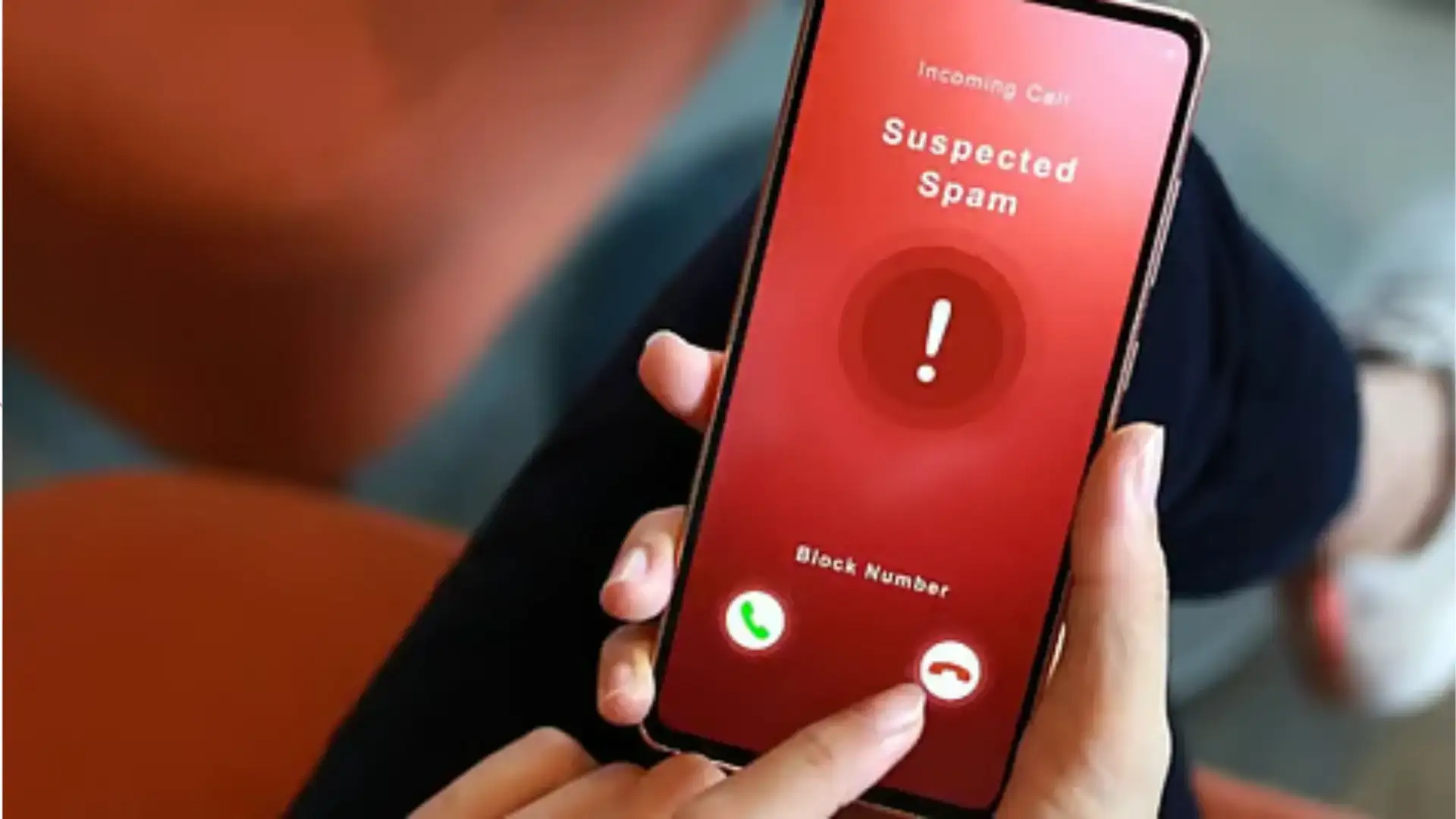
The system expands an earlier government initiative involving the broader 160 series. In 2024, the DoT introduced 160xxxxxxx numbers to distinguish genuine service and transactional calls from promotional communications. Financial entities such as RBI, SEBI, PFRDA and IRDAI were among the examples associated with the 1601 series at the time.
The DoT has previously pointed out that the widespread use of ordinary mobile numbers by legitimate organisations created opportunities for fraudsters to imitate genuine callers. A dedicated numbering system is intended to make legitimate service calls easier to identify.
The latest move specifically extends the system to sectors such as utilities, courier and logistics services.
A legitimate-looking caller should still not ask for an OTP, UPI PIN, card password or other sensitive credentials. If someone claims to represent a bank, delivery company or utility provider and pressures you into making an urgent payment, independently verify the request.
The numbering system is intended to improve identification, not eliminate fraud entirely.
For an ordinary consumer, the benefit may be surprisingly practical. Instead of automatically ignoring every unfamiliar number, people may eventually have a clearer way to distinguish service-related calls from promotional or unknown communications.
A number can tell you something about the caller's category. It cannot tell you what the caller intends to do once you answer.
What Is the 1601 Number Series ?
The Department of Telecommunications approved the 1601 series in June 2026 specifically for service and transactional voice calls by entities in sectors other than BFSI and government. The numbering pattern begins with 1601 and is followed by additional digits identifying the allocated number.The system expands an earlier government initiative involving the broader 160 series. In 2024, the DoT introduced 160xxxxxxx numbers to distinguish genuine service and transactional calls from promotional communications. Financial entities such as RBI, SEBI, PFRDA and IRDAI were among the examples associated with the 1601 series at the time.
Why India Needed a Separate Calling Identity
The problem is simple. Genuine companies often need to contact customers about deliveries, bills, appointments, account activity or service requests. But ordinary 10-digit numbers can be difficult for consumers to distinguish from fraudulent calls.The DoT has previously pointed out that the widespread use of ordinary mobile numbers by legitimate organisations created opportunities for fraudsters to imitate genuine callers. A dedicated numbering system is intended to make legitimate service calls easier to identify.
You may also like
- India likely to reach 62 pc 5G adoption by 2030
- BoatStone 900 Bluetooth speaker review: The party speaker that punches well above its price
- Elon Musk-owned Tesla to launch Cybercab robotaxi service in Austin this month; employees to get first ride
- US green card approvals drop 35%, Indians hit hardest; what US immigration authority data says
- India's first AI-powered payments foundation model launched by Razorpay to boost digital growth
The latest move specifically extends the system to sectors such as utilities, courier and logistics services.
Does 1601 Mean the Call Is Completely Safe?
Not necessarily. Consumers should not treat the first four digits as a substitute for common sense.A legitimate-looking caller should still not ask for an OTP, UPI PIN, card password or other sensitive credentials. If someone claims to represent a bank, delivery company or utility provider and pressures you into making an urgent payment, independently verify the request.
The numbering system is intended to improve identification, not eliminate fraud entirely.
Why This Matters in Everyday Life
The scale of India's spam problem makes such distinctions increasingly important. TRAI-related reporting indicates that telecom operators flagged billions of suspected spam calls and messages during April to June 2026.For an ordinary consumer, the benefit may be surprisingly practical. Instead of automatically ignoring every unfamiliar number, people may eventually have a clearer way to distinguish service-related calls from promotional or unknown communications.
A New Habit for Smartphone Users
Over time, the 1601 series could become familiar in the same way people recognise certain customer-service numbers today. But the safest approach remains a combination of technology and caution.A number can tell you something about the caller's category. It cannot tell you what the caller intends to do once you answer.






Loving Newspoint? Download the app now
