
NetApp's New Startup Accelerator Targets AI and Deep-Tech Innovation

India's technology startup ecosystem is increasingly focused on developing solutions for businesses rather than building consumer applications alone. Artificial intelligence, cybersecurity, enterprise data management and workflow automation are attracting attention because organisations need technologies that can solve practical operational problems.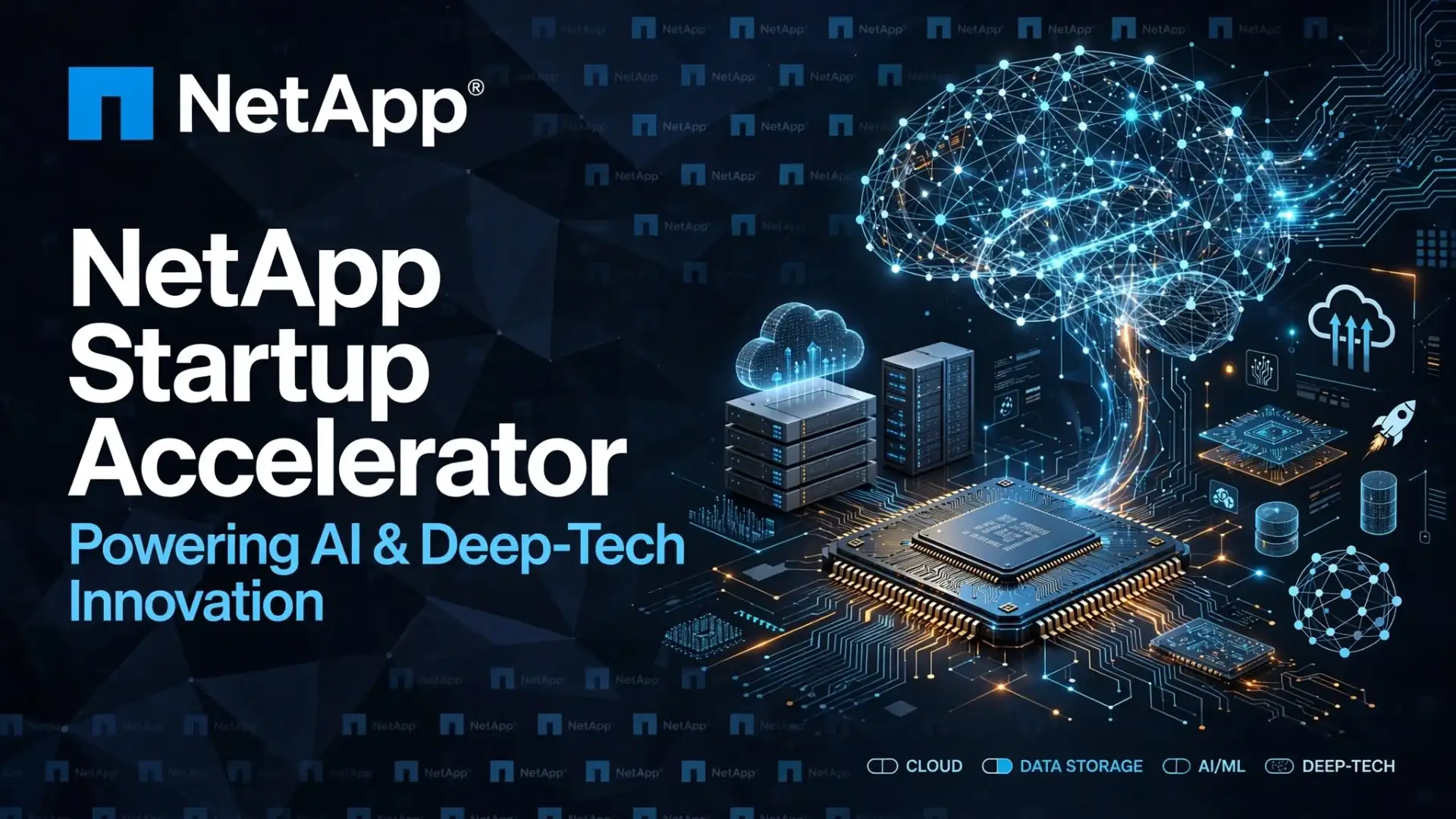
NetApp India has announced the latest cohort of its Excellerator startup accelerator , selecting five deep-tech startups from India, the United States and Israel. Reported on 17 October 2026, the programme offers participating companies access to technical expertise, mentorship and potential opportunities to test their solutions with enterprise customers. The initiative highlights how established technology companies can help young businesses move from development towards commercial adoption.
The latest cohort includes five startups working across areas such as artificial intelligence, cybersecurity, workflow automation and enterprise data intelligence.
According to the reported announcement, participants can access technical guidance, mentorship and opportunities to explore proof-of-concept engagements.
These engagements allow startups to test whether a product works in a practical business environment before attempting wider deployment.
However, participation in an accelerator does not guarantee investment, commercial contracts or long-term success.
AI can support analysis and decision-making, while cybersecurity technologies help organisations identify vulnerabilities and manage digital risks. Workflow automation can also reduce repetitive administrative work.
Developing these solutions often requires more than building a software prototype. Startups need access to technical infrastructure, domain expertise and organisations willing to test their products.
Accelerator programmes can help address some of these challenges by connecting young companies with established industry players.
Mentorship may help founders improve product design, strengthen security and understand how their software fits into existing business systems.
Proof-of-concept projects can also reveal weaknesses that may not appear during internal testing.
Nevertheless, startups must still demonstrate that their products are reliable, secure and commercially useful. Enterprise customers generally require clear evidence of performance before adopting new technology at scale.
For founders, the opportunity lies in turning technical ideas into dependable products. For enterprise customers, promising startups can provide access to specialised solutions.
The programme's longer-term impact will depend on whether participants convert mentorship and testing opportunities into sustainable businesses.
NetApp India has announced the latest cohort of its Excellerator startup accelerator , selecting five deep-tech startups from India, the United States and Israel. Reported on 17 October 2026, the programme offers participating companies access to technical expertise, mentorship and potential opportunities to test their solutions with enterprise customers. The initiative highlights how established technology companies can help young businesses move from development towards commercial adoption.
What Is the NetApp Excellerator Programme?
NetApp Excellerator is a startup accelerator designed to support technology businesses developing solutions with potential enterprise applications.The latest cohort includes five startups working across areas such as artificial intelligence, cybersecurity, workflow automation and enterprise data intelligence.
According to the reported announcement, participants can access technical guidance, mentorship and opportunities to explore proof-of-concept engagements.
These engagements allow startups to test whether a product works in a practical business environment before attempting wider deployment.
However, participation in an accelerator does not guarantee investment, commercial contracts or long-term success.
Why Are AI and Deep-Tech Startups Attracting Attention?
Businesses increasingly need tools that can manage complex information, automate repetitive tasks and protect sensitive data.AI can support analysis and decision-making, while cybersecurity technologies help organisations identify vulnerabilities and manage digital risks. Workflow automation can also reduce repetitive administrative work.
You may also like
- Fake Google Chrome app with over 1 lakh downloads found on Google Play: How to spot and what to do next
- Ferrari Luce EV India Debut on October 17, 2026: Check Expected Range, Performance and Design
- FSSAI moves to ban sucrose and fructose in foods for infants up to six months
- Not just Amazon, top banks across America are also 'banning' AI agents from accessing customer accounts
- When Microsoft CEO Satya Nadella transformed the company's culture with these three words
Developing these solutions often requires more than building a software prototype. Startups need access to technical infrastructure, domain expertise and organisations willing to test their products.
Accelerator programmes can help address some of these challenges by connecting young companies with established industry players.
How Can Startups Benefit From Enterprise Partnerships ?
Working with an established technology company can give a startup insight into real customer requirements.Mentorship may help founders improve product design, strengthen security and understand how their software fits into existing business systems.
Proof-of-concept projects can also reveal weaknesses that may not appear during internal testing.
Nevertheless, startups must still demonstrate that their products are reliable, secure and commercially useful. Enterprise customers generally require clear evidence of performance before adopting new technology at scale.
What Does This Mean for India's Technology Sector?
Programmes such as Excellerator reflect a wider effort to strengthen the relationship between startups and established technology businesses.For founders, the opportunity lies in turning technical ideas into dependable products. For enterprise customers, promising startups can provide access to specialised solutions.
The programme's longer-term impact will depend on whether participants convert mentorship and testing opportunities into sustainable businesses.






Loving Newspoint? Download the app now
