
Norway proposes banning AI smart glasses in parks, shopping malls and other public places; digital minister says: 'I am worried that…'


Norway is planning a temporary ban on AI glasses. The country’s government has announced that it will propose restrictions on the use of AI-enabled smart glasses in selected public places, amid concerns that people could be photographed, filmed or audio-recorded without their knowledge. The proposed ban could cover places the public regularly visits, including parks, beaches, museums, shopping malls and public events. It could also extend to schools, playgrounds, youth clubs, healthcare facilities, swimming pools and gyms with changing rooms and showers.
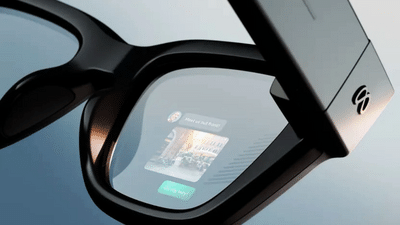
“I am concerned that new, powerful technology is being introduced where people risk being photographed, filmed or audio recorded without their knowledge,” said Norway’s Digitalisation and Public Administration Minister Torgeir Micaelsen while proposing the ban.
Norway plans temporary restrictions on AI glassesThe Norwegian government said the temporary ban is meant to give authorities time to investigate privacy issues presented by wearable technology before establishing permanent national rules.
“I am worried that new, powerful technology is being introduced where people risk being photographed, filmed or audio-recorded without knowing it,” Micaelsen said.
The government will return to Norway’s parliament, the Storting, with a bill as soon as possible. The exact scope of the restrictions has not yet been decided.
Authorities will examine whether the ban should cover glasses with cameras and audio recording, glasses that combine cameras with AI functionality, or other body-worn devices capable of recording images, audio or using AI.
Parks, malls and places used by children could be coveredThe proposed restrictions could apply to locations where members of the public regularly gather, including parks, beaches, museums, amusement parks and sports, music and cultural events. Shopping centres could also fall within the scope of the temporary rules.
Places used by children could receive additional protection. The Norwegian government said schools, kindergartens, playgrounds and leisure clubs could be covered, while universities, colleges and other educational institutions will also be considered.
Norway is also considering restrictions in places where privacy is particularly important. These could include doctors’ offices and other healthcare facilities, swimming pools, gyms and locations with changing rooms and showers.
“We do not want a society where people are concerned about hidden audio recordings, photography and filming in places and situations where they are used to being without being monitored,” Micaelsen said. “Such a society can be experienced as unsafe and make us withdraw.”
Norway will not completely ban AI glassesThe government stressed that it is not proposing a total ban on AI glasses or wearable technology. Private use would remain possible, along with use in situations where other people are not at risk of being recorded without their consent. Exceptions could also be introduced for vulnerable groups and socially beneficial uses.
Alongside the temporary restrictions, Norway will establish an expert group to examine the wider challenges posed by wearable technology. The group will advise the government on permanent national regulation.
The move comes as concerns over camera-equipped smart glasses grow elsewhere. Several UK venues have restricted Meta’s Ray-Ban smart glasses, while New York has banned smart glasses from courtrooms. Dutch eyewear chain Hans Anders also recently stopped selling Meta’s Ray-Ban glasses in the Netherlands and Belgium.
Micaelsen became Norway’s digitalisation minister about four weeks ago. His predecessor, Karianne Tung, had not supported a ban, according to Norwegian broadcaster TV 2.
“I am concerned that new, powerful technology is being introduced where people risk being photographed, filmed or audio recorded without their knowledge,” said Norway’s Digitalisation and Public Administration Minister Torgeir Micaelsen while proposing the ban.
Norway plans temporary restrictions on AI glassesThe Norwegian government said the temporary ban is meant to give authorities time to investigate privacy issues presented by wearable technology before establishing permanent national rules.
“I am worried that new, powerful technology is being introduced where people risk being photographed, filmed or audio-recorded without knowing it,” Micaelsen said.
The government will return to Norway’s parliament, the Storting, with a bill as soon as possible. The exact scope of the restrictions has not yet been decided.
Authorities will examine whether the ban should cover glasses with cameras and audio recording, glasses that combine cameras with AI functionality, or other body-worn devices capable of recording images, audio or using AI.
Parks, malls and places used by children could be coveredThe proposed restrictions could apply to locations where members of the public regularly gather, including parks, beaches, museums, amusement parks and sports, music and cultural events. Shopping centres could also fall within the scope of the temporary rules.
Places used by children could receive additional protection. The Norwegian government said schools, kindergartens, playgrounds and leisure clubs could be covered, while universities, colleges and other educational institutions will also be considered.
Norway is also considering restrictions in places where privacy is particularly important. These could include doctors’ offices and other healthcare facilities, swimming pools, gyms and locations with changing rooms and showers.
“We do not want a society where people are concerned about hidden audio recordings, photography and filming in places and situations where they are used to being without being monitored,” Micaelsen said. “Such a society can be experienced as unsafe and make us withdraw.”
Norway will not completely ban AI glassesThe government stressed that it is not proposing a total ban on AI glasses or wearable technology. Private use would remain possible, along with use in situations where other people are not at risk of being recorded without their consent. Exceptions could also be introduced for vulnerable groups and socially beneficial uses.
Alongside the temporary restrictions, Norway will establish an expert group to examine the wider challenges posed by wearable technology. The group will advise the government on permanent national regulation.
The move comes as concerns over camera-equipped smart glasses grow elsewhere. Several UK venues have restricted Meta’s Ray-Ban smart glasses, while New York has banned smart glasses from courtrooms. Dutch eyewear chain Hans Anders also recently stopped selling Meta’s Ray-Ban glasses in the Netherlands and Belgium.
Micaelsen became Norway’s digitalisation minister about four weeks ago. His predecessor, Karianne Tung, had not supported a ban, according to Norwegian broadcaster TV 2.
Next Story