
Nvidia CEO Jensen Huang rejects Dario Amodei and Sam Altman's 'AI will kill us all warnings': 'Don't let this doomsday narrative cause somebody to…'


Nvidia CEO Jensen Huang has outrightly rejected the apocalyptic claims that artificial intelligence (AI) will cause the extinction of humanity in the coming years, dismissing such warnings as baseless and exaggerated scare tactics. Speaking with CBS News, Huang challenged these ‘doomsday predictions’ voiced by prominent tech leaders, including Anthropic CEO Dario Amodei and OpenAI’s Sam Altman, cautioning the public and lawmakers not to be misled by panic.
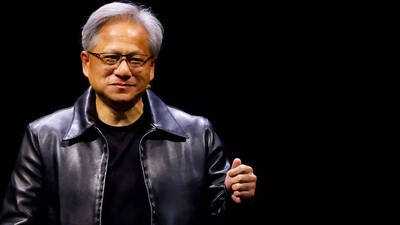
“Don't let this doomsday narrative cause somebody to relieve them of the laws that currently exist," Huang stated in an interview, adding, “Read between the lines. They're actually not asking for more laws. They're asking to be relieved of the laws we do have. And I think that that's a problem. We have plenty of laws, so let's apply those first.”
Jensen Huang says ‘no’ to 2030 extinction threatHuang’s comments follow a heated public dispute triggered earlier this month by Jacob Coxon, a former researcher at Anthropic. Coxon posted on social media that developers of frontier AI models believe the technology could wipe out humanity before the decade concludes.
This ignited widespread controversy and prompted Amodei, Altman and Elon Musk to urge a deliberate slow down in model development. Huang flatly rejected those forecasts, arguing they have no grounding in scientific reality.
“2030 is not going to be the end of the world. There is 0% chance that's going to be the end of the world. Scaring people is unnecessary. It is irresponsible,” Huang added.
As the biggest producer of specialised chips powering AI models developed by OpenAI and competing labs, Nvidia holds an immense financial stake in the conversation. Soaring demand for its graphics processors has driven the company's valuation to $5.3 trillion, solidifying its rank as the world's most valuable enterprise.
When asked why the public should accept his safety assurances given Nvidia’s obvious financial motives, Huang maintained that corporate health depends entirely on dependable technology.
“Our company's success is directly connected to the safe deployment of products and services. If we don't continue to do that, our value would be diminished,” he noted.
Huang also said that current American frameworks dealing with unauthorised computer access, damage liabilities and product safety are more than adequate.
“Don't let this doomsday narrative cause somebody to relieve them of the laws that currently exist," Huang stated in an interview, adding, “Read between the lines. They're actually not asking for more laws. They're asking to be relieved of the laws we do have. And I think that that's a problem. We have plenty of laws, so let's apply those first.”
Jensen Huang says ‘no’ to 2030 extinction threatHuang’s comments follow a heated public dispute triggered earlier this month by Jacob Coxon, a former researcher at Anthropic. Coxon posted on social media that developers of frontier AI models believe the technology could wipe out humanity before the decade concludes.
This ignited widespread controversy and prompted Amodei, Altman and Elon Musk to urge a deliberate slow down in model development. Huang flatly rejected those forecasts, arguing they have no grounding in scientific reality.
“2030 is not going to be the end of the world. There is 0% chance that's going to be the end of the world. Scaring people is unnecessary. It is irresponsible,” Huang added.
As the biggest producer of specialised chips powering AI models developed by OpenAI and competing labs, Nvidia holds an immense financial stake in the conversation. Soaring demand for its graphics processors has driven the company's valuation to $5.3 trillion, solidifying its rank as the world's most valuable enterprise.
When asked why the public should accept his safety assurances given Nvidia’s obvious financial motives, Huang maintained that corporate health depends entirely on dependable technology.
“Our company's success is directly connected to the safe deployment of products and services. If we don't continue to do that, our value would be diminished,” he noted.
Huang also said that current American frameworks dealing with unauthorised computer access, damage liabilities and product safety are more than adequate.
Next Story