
OTP Scam Explained: Why One-Time Passwords Can Still Be Stolen

For years, one-time passwords, or OTPs, have been presented as one of the simplest ways to protect an online account. A code arrives on your phone, you enter it and the transaction goes through. Because the code is temporary, many people assume it is practically impossible for someone else to use. That assumption can be dangerous. An OTP is a security layer, not a guarantee of safety. Criminals have developed increasingly convincing ways to trick people into revealing codes, intercept them or approve transactions they did not intend to make. Understanding these weaknesses can help explain why even a genuine OTP should never be treated casually.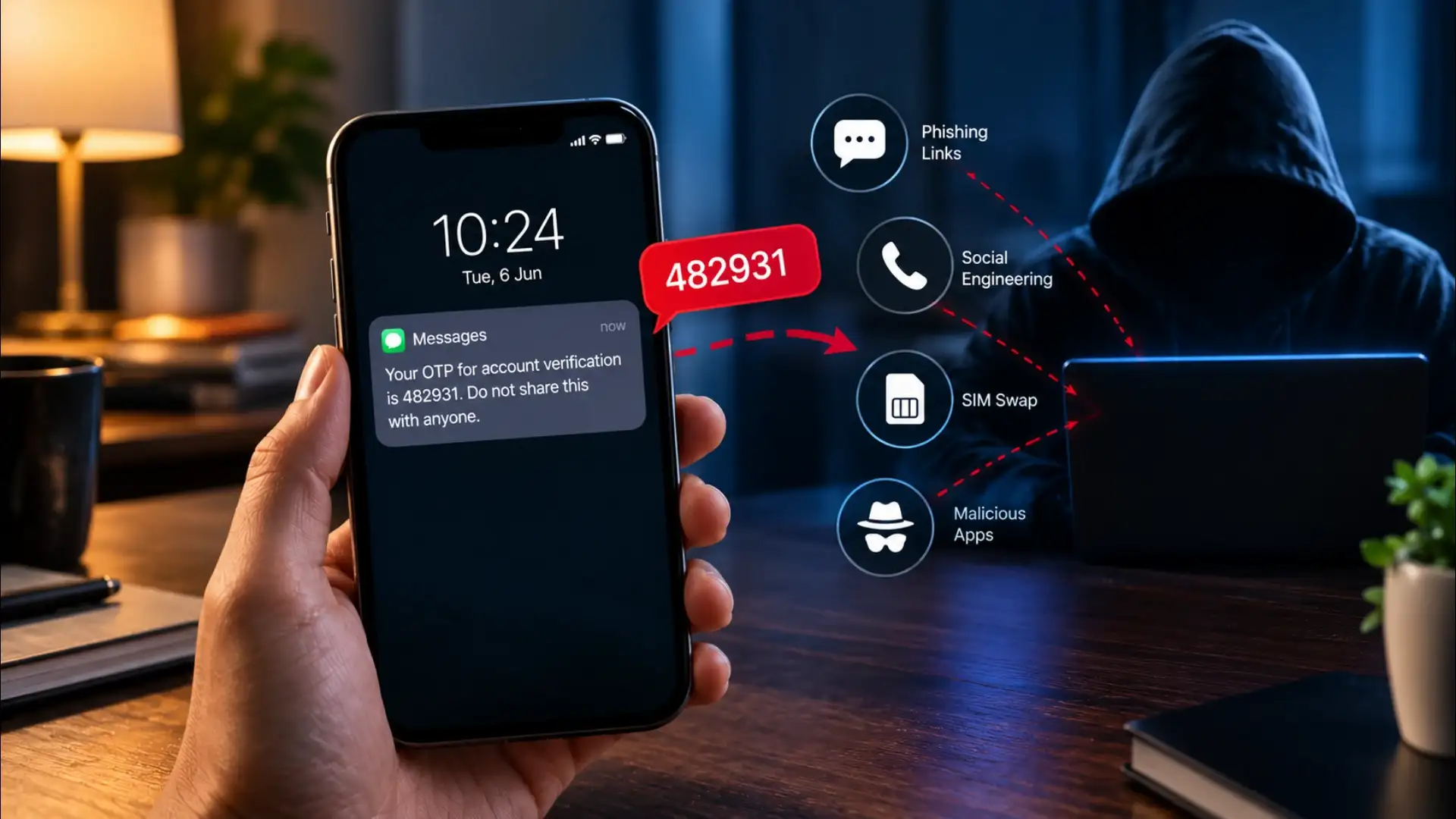
The temporary nature of an OTP makes it more difficult for criminals to reuse an old code. This is one reason banks, payment services and online platforms have relied heavily on them.
However, the system has an important weakness. In many situations, the security of the OTP depends on the person receiving it and recognising what they are being asked to approve.
For example, a caller might pretend to be from a bank and claim that an unusual transaction has been detected. The victim is then told that a verification code will arrive and must be read back to cancel the transaction.
The code may be genuine, but its purpose could be completely different. It might actually be authorising a login, payment or password reset.
This is why knowing that an OTP has arrived is not enough. You need to understand what action the code is connected to.
Malware, phishing pages and compromised devices can create other opportunities for attackers to capture credentials or manipulate users.
There is also a simple problem with human behaviour. People are often under pressure when dealing with financial fraud. A convincing caller who creates urgency can make someone act before they have properly read the message on their screen.
Do not share the code with anyone, even if the person claims to be calling from your bank, telecom provider or another trusted organisation.
Instead, stop the conversation and contact the organisation using its official app, website or customer service number. Do not use a number provided by the caller.
Where available, consider using an authenticator app or hardware security key for important accounts. These methods can provide stronger protection than SMS-based verification in certain situations.
It does not.
An OTP can help confirm an action, but it cannot determine whether the person requesting that action is trustworthy. If a criminal can manipulate the victim into approving something, the security system may work exactly as designed.
The safest habit is therefore simple: never share an OTP and never approve an action you did not personally initiate. A few seconds of hesitation can prevent a much bigger problem.
What Makes an OTP Useful?
An OTP is generally a temporary code used to verify that a person attempting to log in, make a payment or perform another sensitive action has access to a particular device or communication channel.The temporary nature of an OTP makes it more difficult for criminals to reuse an old code. This is one reason banks, payment services and online platforms have relied heavily on them.
However, the system has an important weakness. In many situations, the security of the OTP depends on the person receiving it and recognising what they are being asked to approve.
The Biggest Risk Is Often Social Engineering
A scammer may not need to steal an OTP technically. They may simply persuade the victim to hand it over.For example, a caller might pretend to be from a bank and claim that an unusual transaction has been detected. The victim is then told that a verification code will arrive and must be read back to cancel the transaction.
The code may be genuine, but its purpose could be completely different. It might actually be authorising a login, payment or password reset.
This is why knowing that an OTP has arrived is not enough. You need to understand what action the code is connected to.
OTPs Can Also Be Exposed Through Other Attacks
SMS-based OTPs have additional weaknesses. A criminal who successfully carries out a SIM swap may receive messages intended for the legitimate owner of a mobile number.Malware, phishing pages and compromised devices can create other opportunities for attackers to capture credentials or manipulate users.
There is also a simple problem with human behaviour. People are often under pressure when dealing with financial fraud. A convincing caller who creates urgency can make someone act before they have properly read the message on their screen.
What Should You Do When an OTP Arrives Unexpectedly?
If an OTP arrives when you have not attempted to log in, make a payment or change an account setting, treat it as a warning sign.Do not share the code with anyone, even if the person claims to be calling from your bank, telecom provider or another trusted organisation.
Instead, stop the conversation and contact the organisation using its official app, website or customer service number. Do not use a number provided by the caller.
Where available, consider using an authenticator app or hardware security key for important accounts. These methods can provide stronger protection than SMS-based verification in certain situations.
An OTP Is a Lock, Not a Force Field
The biggest misconception about OTP security is that a temporary code makes an account automatically safe.It does not.
An OTP can help confirm an action, but it cannot determine whether the person requesting that action is trustworthy. If a criminal can manipulate the victim into approving something, the security system may work exactly as designed.
The safest habit is therefore simple: never share an OTP and never approve an action you did not personally initiate. A few seconds of hesitation can prevent a much bigger problem.
Next Story