
PM e-Drive Scheme Boosts Sales of 2.66 Million Electric Vehicles in India


New Delhi, October 2 (Daily Kiran) : The PM e-Drive scheme has significantly impacted the electric vehicle (EV) market in India, with sales reaching 2.66 million units by June 2026. This initiative has accelerated the adoption of electric vehicles, expanded charging infrastructure, and strengthened the domestic manufacturing ecosystem, as highlighted in a recent government statement.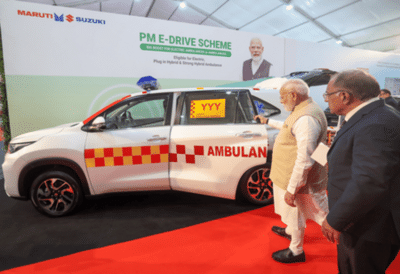 With a budget allocation of ₹11,900 crores, the scheme's duration has been extended until March 2028. It supports various categories of electric vehicles and the necessary infrastructure associated with them. According to government data, incentives are being provided for 2.83 million electric vehicles under this scheme. Additionally, support is being extended to e-buses, charging stations, and testing facilities, promoting clean and sustainable transportation across India.Approximately ₹4,391 crores have been allocated for deploying 14,028 e-buses. As of August 2026, 14,000 of these e-buses have already been distributed. Nearly 13,800 e-buses have been assigned to seven cities: Delhi, Bengaluru, Hyderabad, Mumbai, Ahmedabad, Pune, and Surat. Grants are also available for upgrading public charging stations (EV PCS) and testing agencies. For public charging stations nationwide, around ₹2,000 crores have been earmarked. By September 28, 2026, ₹851 crores were approved for installing 8,147 chargers across three oil marketing companies and ten states.Furthermore, ₹780 crores have been allocated for modernizing and upgrading vehicle testing agencies. Thanks to targeted policies, financial incentives, and supportive measures, electric mobility is advancing rapidly in the country. The scheme provides demand-based incentives and infrastructure support for various vehicle categories and their components. This initiative covers E-2 wheelers (E-2W), E-3 wheelers (E-3W), which include registered e-rickshaws and e-carts, L5 category vehicles, e-ambulances, e-trucks, e-buses, charging infrastructure, and the upgrading of testing agencies.Registered E-2Ws receive an incentive of ₹2,500 per kilowatt-hour, with a maximum limit of ₹5,000 per vehicle. This benefit applies to vehicles with an ex-factory price of up to ₹1.5 lakh, with a total fund allocation of ₹2,767 crores aimed at supporting over 4.57 million registered E-2Ws. The government’s fact sheet indicates that the sales target for registered E-3Ws (L5) has been achieved, and this category will be closed as of December 26, 2025. However, support for E-3Ws (e-rickshaws and e-carts) will continue until March 2028.
Next Story