
Scientists found that DNA once dismissed as “junk” helps chromosomes find their partners


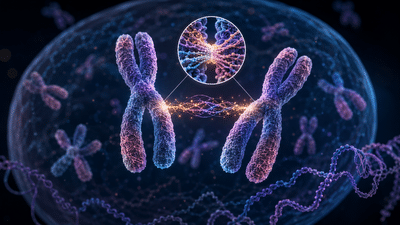
For years, the dense loops of repetitive DNA clustered near the middle of chromosomes were treated as evolutionary clutter. According to the new study published in Nature, titled 'Meiotic pairing through barcode-like satellite DNA repeats', researchers working with fruit flies have shown that this so-called satellite DNA forms a kind of barcode: a unique combination of repeats that lets each chromosome recognise its correct partner during the formation of egg cells . When that barcode is disrupted, chromosomes pair with the wrong partner or fail to pair at all, and the eggs carrying that error are frequently destroyed by the body's own quality-control system before they can mature. The discovery revives an idea first floated nearly fifty years ago and offers the clearest evidence yet that "junk" DNA plays a direct hand in one of reproduction's most exacting steps.
Next Story