
Should You Get an eSIM in India? 4 Big Advantages and 3 Drawbacks

The tiny plastic SIM card has been part of mobile life for decades, but smartphones are steadily moving towards a digital alternative. An eSIM is built directly into the device, allowing a compatible mobile network profile to be downloaded without inserting a physical card. In India, major operators including Jio and Airtel support eSIM on compatible smartphones, and the process of converting an existing number has become increasingly digital. Yet eSIM is not automatically better for everyone. It can make switching numbers and using dual-SIM arrangements more convenient, but it can also make changing phones less straightforward in certain situations. Before abandoning your physical SIM, it is worth looking at both sides.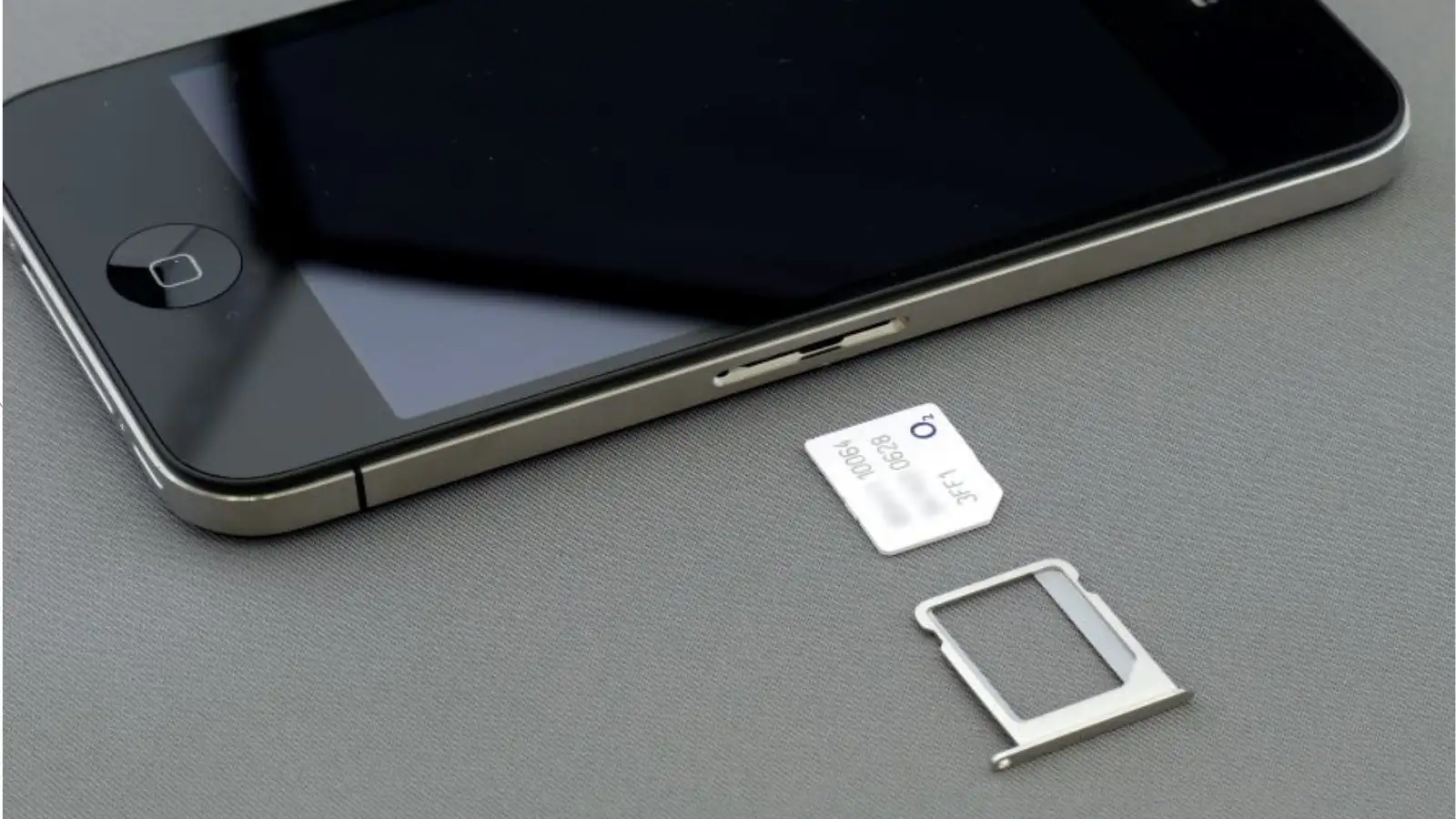
An eSIM is embedded in the device, while the network profile is downloaded electronically. Jio describes it as a digital SIM that can be activated remotely on compatible devices.
For people who frequently change phones or travel, eliminating the tiny plastic card can be genuinely convenient.
Jio and Airtel both highlight dual-SIM functionality among the benefits of eSIM, although the exact configuration depends on the smartphone.
This is particularly useful for frequent travellers who want to retain their Indian number while using another connection for data.
The convenience depends heavily on handset compatibility and the network provider, so travellers should check these details before relying on eSIM abroad.
That does not make an eSIM completely immune to fraud, but it removes one physical vulnerability. Jio specifically lists protection against physical loss or theft as an eSIM advantage.
The second issue is emergency phone switching. With a physical SIM, moving your number to another compatible phone can be as simple as transferring the card. With eSIM, you may need to complete a digital transfer or activation process.
The third concern is that deleting an eSIM profile is not the same as removing a physical card. Airtel explicitly warns users not to delete an active eSIM profile casually, because doing so can stop calls and mobile data until the connection is restored.
But the physical SIM still has one unbeatable quality: simplicity. If you regularly move your number between different phones, or use older handsets, the removable card may remain the more practical choice.
The real future of SIM technology may not be about one format replacing the other overnight. For Indian consumers, the smarter approach is to choose the format that fits the way they actually use their phone.
1. No Tiny SIM Card to Lose
The most obvious advantage is also the simplest. There is no physical card to remove, store or accidentally damage.An eSIM is embedded in the device, while the network profile is downloaded electronically. Jio describes it as a digital SIM that can be activated remotely on compatible devices.
For people who frequently change phones or travel, eliminating the tiny plastic card can be genuinely convenient.
2. Easier Dual-SIM Use
Many modern smartphones can use an eSIM alongside another SIM, allowing users to maintain separate personal and work numbers or combine a domestic number with another connection when travelling.Jio and Airtel both highlight dual-SIM functionality among the benefits of eSIM, although the exact configuration depends on the smartphone.
3. Useful When Travelling
An eSIM can make it easier to add a compatible mobile plan without physically replacing your existing SIM.This is particularly useful for frequent travellers who want to retain their Indian number while using another connection for data.
The convenience depends heavily on handset compatibility and the network provider, so travellers should check these details before relying on eSIM abroad.
You may also like
- BoatStone 900 Bluetooth speaker review: The party speaker that punches well above its price
- Elon Musk-owned Tesla to launch Cybercab robotaxi service in Austin this month; employees to get first ride
- US green card approvals drop 35%, Indians hit hardest; what US immigration authority data says
- India's first AI-powered payments foundation model launched by Razorpay to boost digital growth
- Three PhD scholars to receive Rs 1 lakh yearly under Prof Rajinder Kumar Fellowship
4. Better Protection Against Physical SIM Theft
Because there is no removable plastic card, someone cannot simply take the SIM out of the handset and put it into another phone.That does not make an eSIM completely immune to fraud, but it removes one physical vulnerability. Jio specifically lists protection against physical loss or theft as an eSIM advantage.
Why You Might Not Want an eSIM
The first drawback is compatibility. Not every phone supports eSIM, particularly older or budget models. Before switching, users should confirm that their specific handset supports the technology and that their operator supports it.The second issue is emergency phone switching. With a physical SIM, moving your number to another compatible phone can be as simple as transferring the card. With eSIM, you may need to complete a digital transfer or activation process.
The third concern is that deleting an eSIM profile is not the same as removing a physical card. Airtel explicitly warns users not to delete an active eSIM profile casually, because doing so can stop calls and mobile data until the connection is restored.
So, Should You Switch?
For someone with a modern compatible smartphone who values dual-SIM flexibility, travel convenience and freedom from physical SIM cards, eSIM is increasingly attractive.But the physical SIM still has one unbeatable quality: simplicity. If you regularly move your number between different phones, or use older handsets, the removable card may remain the more practical choice.
The real future of SIM technology may not be about one format replacing the other overnight. For Indian consumers, the smarter approach is to choose the format that fits the way they actually use their phone.






Loving Newspoint? Download the app now
