
Create A Smarter Home For Less With Practical Gadgets, Automation And Money-Saving Tips

A smart home does not have to mean a house packed with expensive gadgets. Everyday devices such as smart bulbs , plugs, speakers and sensors can make a home more convenient without stretching the budget. The key is to start with useful upgrades rather than buying everything at once. A budget smart home should be simple to control, reliable and compatible with devices you may add later. From automating lights to managing energy use, a few chosen products can deliver benefits. For homeowners and renters alike, a gradual approach can turn rooms into a connected home without extra expense or complexity.
Start with the basics
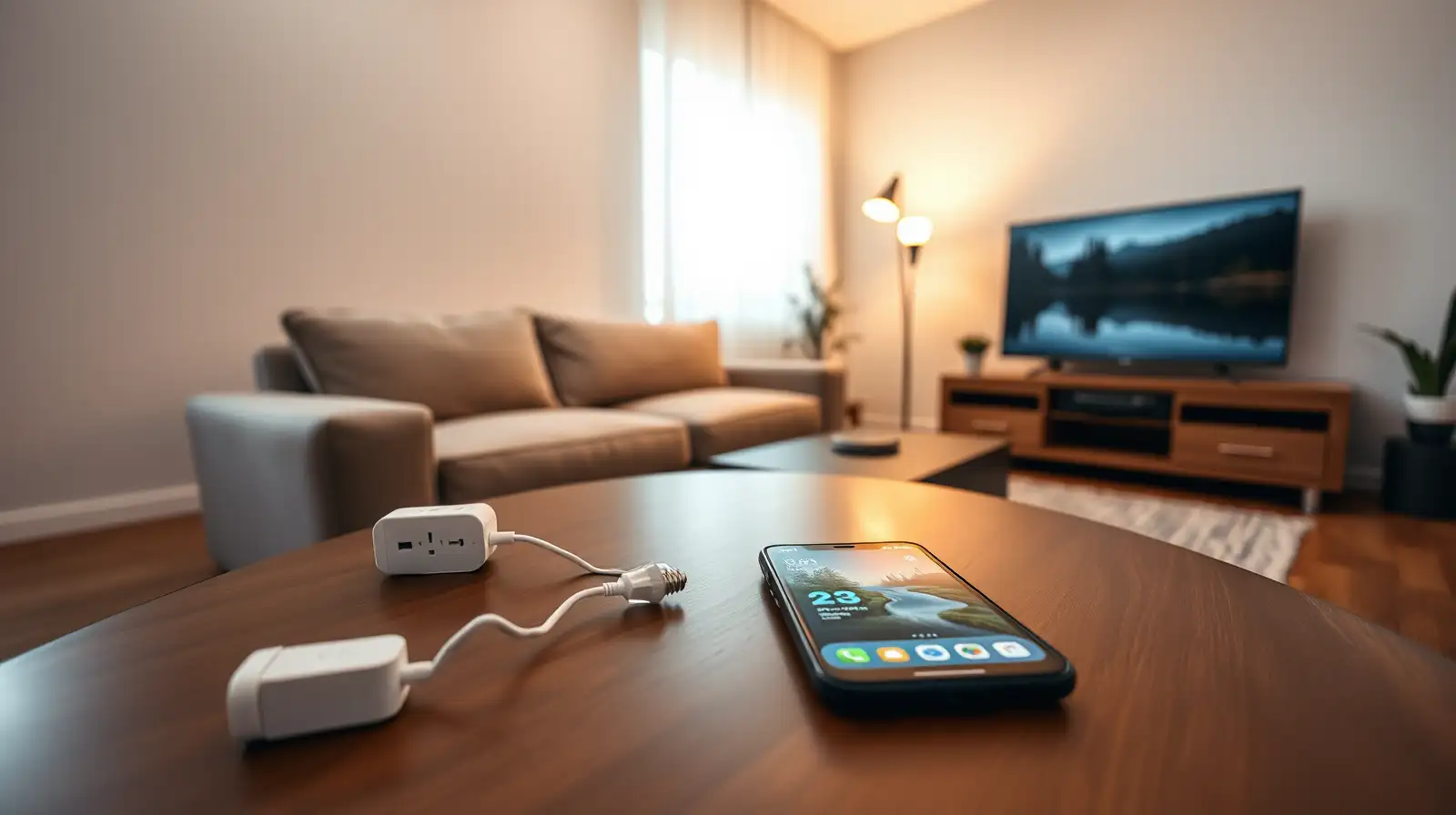
Smart bulbs are often one of the easiest entry points. They can be scheduled, dimmed or controlled from a phone, making them useful for bedrooms, living rooms and hallways. Instead of replacing every bulb, begin with the lights you use most.Smart plugs offer another low-cost upgrade. They can bring basic automation to lamps, fans and other compatible appliances. According to experts, choosing a few practical automations is usually more useful than filling a home with devices that rarely get used.
Choose one smart ecosystem
Before buying several products, check how they work together. Devices that support the same platform or widely used standards can make setup and future expansion easier. Compatibility matters because a cheap gadget becomes poor value if it requires a separate app or cannot work with your existing equipment.A smart speaker can also act as a convenient control point, although it is not essential. If you already own a compatible phone or tablet, start there and add a speaker only if voice control would genuinely improve daily routines.
Spend where it matters
A simple routine can deliver more value than a costly collection of gadgets. Set lights to switch off automatically at bedtime, schedule a lamp for the evening or use a smart plug to reduce standby power where appropriate. Energy-monitoring features can also help households understand electricity use, though savings will depend on individual habits and appliances.Security deserves careful consideration. If you add smart cameras, locks or sensors, prioritise reputable products, strong passwords and software updates. Industry watchers note that privacy and security should be considered alongside price when choosing connected devices.
Finally, avoid buying everything in one go. Create a list of genuine household needs, set a spending limit and add devices gradually. This approach keeps your smart home budget under control while giving you time to learn what actually makes life easier.
Next Story