
How Smart Rings Are Quietly Replacing Fitness Bands in Everyday Life

Wearable technology has changed dramatically over the last few years. What started with bulky fitness trackers and smartwatches is now moving toward something far more compact and subtle. Smart rings are quickly becoming one of the fastest-growing categories in personal technology, especially among users who want health tracking without constantly looking at a screen.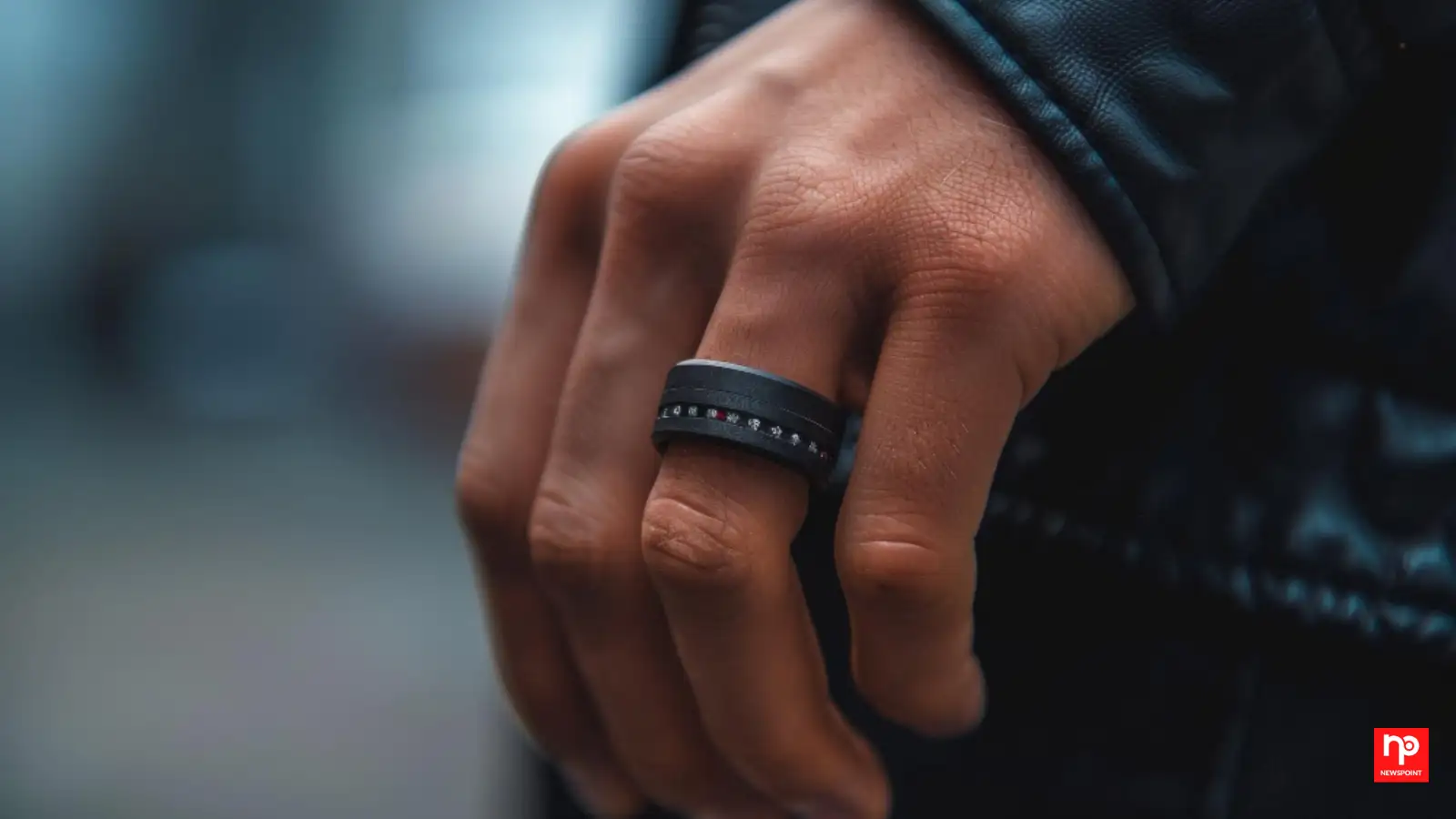
Unlike traditional fitness bands , smart rings fit naturally into daily life. They look like regular accessories but quietly monitor sleep, heart rate, stress levels, activity, and recovery throughout the day.
Smart rings solve several of those problems. They are lightweight, less distracting, and usually offer longer battery life. For people who dislike wearing watches while sleeping or exercising, rings feel far more comfortable.
Another major factor is design. Smart rings blend into professional and casual settings much more naturally than large smartwatches. Many users now prefer wearable technology that does not immediately look like a gadget.
Smart rings collect overnight data such as sleep stages, body temperature changes, heart rate variability, and recovery patterns. This information helps users understand whether they are actually resting well or simply spending enough hours in bed.
Athletes, office workers, and even students are using sleep insights to improve productivity, concentration, and energy levels during the day.
For example, some wearables can identify patterns linked to stress, poor sleep, or exhaustion and recommend lighter activity, earlier sleep timing, or recovery breaks. This makes the technology feel more practical and less overwhelming.
The focus is shifting from collecting health data to helping people understand and use it effectively.
However, experts also remind users that wearable technology should support healthy habits, not create anxiety around constant monitoring. Data can be useful, but long-term wellness still depends on balanced eating, movement, sleep, and stress management.
For now, smart rings represent a growing shift toward simpler, smarter, and less intrusive technology that fits naturally into everyday life while quietly helping users stay more aware of their health.
Unlike traditional fitness bands , smart rings fit naturally into daily life. They look like regular accessories but quietly monitor sleep, heart rate, stress levels, activity, and recovery throughout the day.
Why People Are Moving Away From Fitness Bands
Fitness bands became popular because they made health tracking simple and affordable. But many users eventually grew tired of charging another screen, wearing bulky devices to sleep, or constantly receiving notifications.Smart rings solve several of those problems. They are lightweight, less distracting, and usually offer longer battery life. For people who dislike wearing watches while sleeping or exercising, rings feel far more comfortable.
Another major factor is design. Smart rings blend into professional and casual settings much more naturally than large smartwatches. Many users now prefer wearable technology that does not immediately look like a gadget.
You may also like
- US clears H200 chip sales to 10 China firms
- GeForce NOW gets Subnautica 2, Forza Horizon 6 early access, and more this week
- Cerebras shares skyrocket in debut amid AI mania
- Musk, Altman under attack as OpenAI trial nears end
- As layoffs cross 1 lakh across tech industry in 2026, here are AI-proof jobs for engineers
Sleep Tracking Is Driving Massive Interest
One of the biggest reasons smart rings are gaining popularity is their focus on sleep and recovery tracking. Modern users are becoming increasingly aware that health is not only about workouts and step counts.Smart rings collect overnight data such as sleep stages, body temperature changes, heart rate variability, and recovery patterns. This information helps users understand whether they are actually resting well or simply spending enough hours in bed.
Athletes, office workers, and even students are using sleep insights to improve productivity, concentration, and energy levels during the day.
The Role of AI in Wearable Technology
Artificial intelligence is playing a major role in making smart rings more useful. Instead of simply showing raw numbers, many devices now provide personalized suggestions based on user habits.For example, some wearables can identify patterns linked to stress, poor sleep, or exhaustion and recommend lighter activity, earlier sleep timing, or recovery breaks. This makes the technology feel more practical and less overwhelming.
The focus is shifting from collecting health data to helping people understand and use it effectively.
Are Smart Rings the Future of Personal Health Tech?
Smart rings are still evolving, but industry experts believe they could become mainstream over the next few years. As sensors improve and devices become more accurate, compact wearables may eventually replace several larger gadgets.However, experts also remind users that wearable technology should support healthy habits, not create anxiety around constant monitoring. Data can be useful, but long-term wellness still depends on balanced eating, movement, sleep, and stress management.
For now, smart rings represent a growing shift toward simpler, smarter, and less intrusive technology that fits naturally into everyday life while quietly helping users stay more aware of their health.






More from our partners


Loving Newspoint? Download the app now
