
The Future Of AI-Human Relations: Insights From Wef 2024

In a thought-provoking dialogue at the Davos Brainstorm 2024 event, distinguished tech experts Stuart J. Russell , Professor of Computer Science at the University of California and Lauren Woodman , CEO of Datakind, engaged in a conversation with Kallie Purie , Vice-Chairperson and Executive Editor-in-Chief of the India Today Group. The central theme of their discussion revolved around the evolving relationship between Artificial Intelligence (AI) and humanity, pondering whether it would lean towards nurturing collaboration or an extractive, exploitative nature.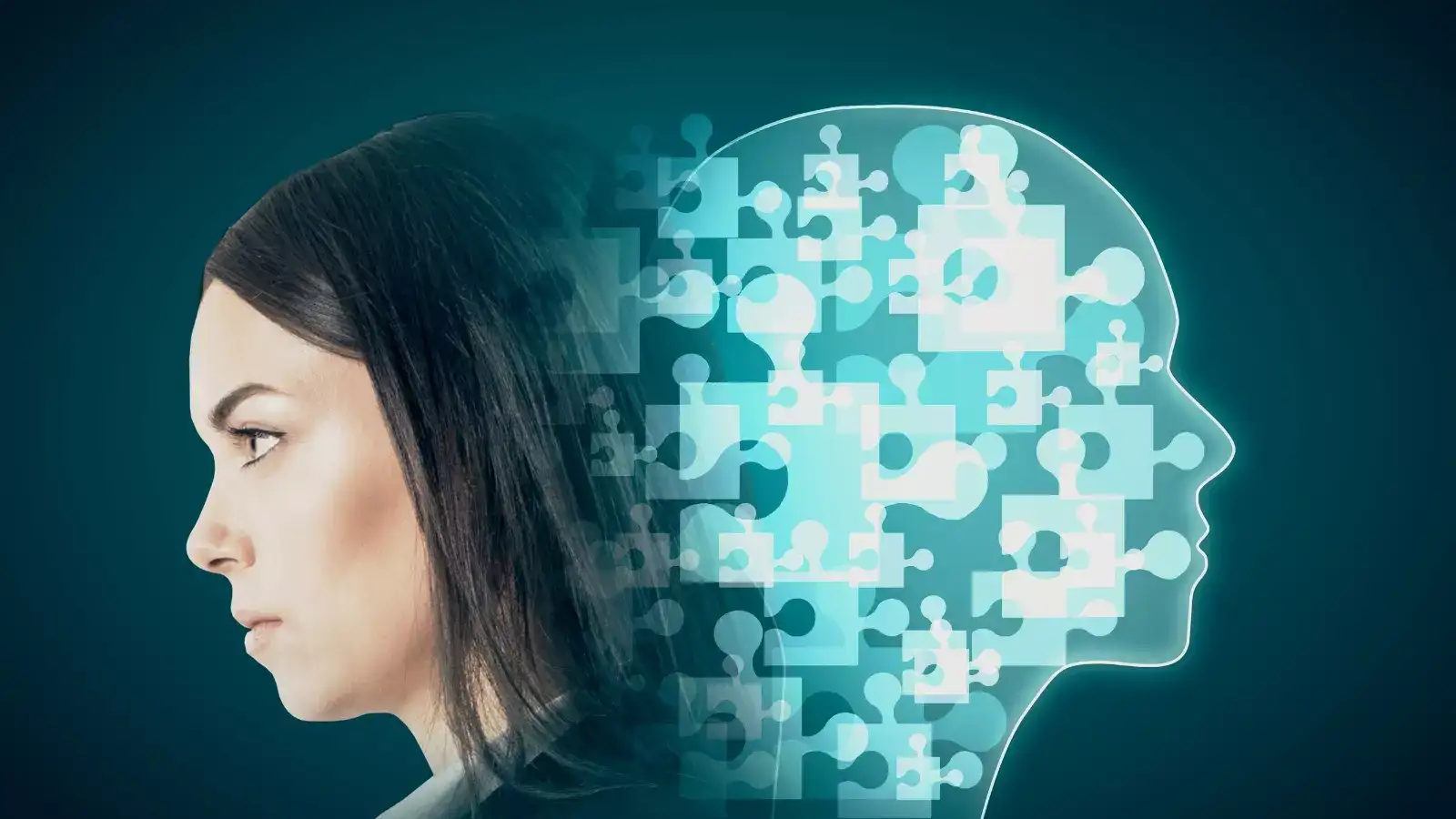
Adding her perspective, Woodman stressed the significance of choices in steering AI's progress. She noted, “We have a choice as to how we are going to encourage incentivise, enforce the progress in that direction. There are lots of choices to be made, and this could go sideways at any point in time. And so I think continuous attention should be paid so that those choices are made in the best interest of all of us is critical.”
While the development of AI is driven by human ingenuity, the future envisions a collaborative landscape where the strengths of both human and artificial intelligence are harnessed for mutual benefit. As we navigate this transformative era, the coexistence of human creativity and technological advancement is poised to shape a future where AI and humanity thrive in harmonious collaboration.
The Unfolding AI Dilemma: Fears and Aspirations
In contemporary society, AI has seamlessly integrated into our daily lives. However, the same technology that has become integral to our routines has triggered concerns among Silicon Valley leaders. Visionaries like Elon Musk and Satya Nadella have voiced fears that AI might surpass human intelligence, potentially leading to job displacement. A recent study by the International Monetary Fund (IMF) even suggests that nearly 40% of global employment could be at risk due to the rapid growth of AI.The Interplay Between AI and Human Intelligence
In the ever-evolving landscape of technology, the question looms large: Will the rapid ascent of Artificial Intelligence (AI) eventually replace human ingenuity? Tom Cruise's cinematic venture, "Cruise Oblivion: Age of Tomorrow," offers a captivating exploration of machines mirroring human actions and thoughts. As AI applications surge ahead, demonstrating superior speed, operational efficiency, and decision-making prowess, a pertinent query emerges regarding the future of human intelligence.The Parallels and Challenges of AI
The achievements in artificial intelligence closely mimic human intelligence, embracing aspects of understanding, reasoning, and learning. However, this surge in innovation comes with a cause-and-effect dynamic, with AI outperforming humans in specific tasks, thereby challenging the traditional scope of human intelligence. This shift symbolizes not a replacement but a symbiotic relationship, demanding expertise and opening up diverse career opportunities.Six Reasons AI Can't Surpass Human Intelligence
1. Emotional Intelligence: A Human Edge
One distinct quality that sets humans apart is emotional intelligence, a realm difficult for AI to duplicate. Empathy and a profound understanding of the human condition, including pain and suffering, remain beyond the reach of artificial intelligence.You may also like
- Adani Energy Solutions wins Rs 4,700 crore transmission project in Maharashtra
- Indian IT sector's revenue growth to remain stable at 6 pc in FY27: Report
- Biz sentiment rises to near 4-year high: BOK
- US Court to pharma giant Guardant Health: You willfully infringed patents for cancer-testing; asked to pay $245 million to University of Washington
- As Intel's CPU market share falls to 31-year low in the market that analysts call 'ugliest segment'
2. Algorithmic Limitations
AI operates solely based on given data, incapable of adapting to unanticipated events or new fields of labour. The human brain's capacity for reasoning, analysis, improvisation, and information synthesis eludes the rigid confines of AI algorithms.3. Creativity Conundrum
The creative process, intrinsic to human thinking, remains a challenge for AI. Unlike humans who can generate original ideas and innovate, AI operates within predefined frameworks, lacking the ability to devise new strategies and solutions.4. Human Origin of AI
Humans are the architects of artificial intelligence, creating the algorithms and providing the data that power AI machines. As AI applications proliferate, the demand for human services grows, reinforcing the symbiotic relationship between humans and AI.5. Fact-checking Frailty
AI, despite its rapid learning capabilities, often falters in factual accuracy, necessitating human intervention to double-check information. The inability to deduce and challenge truth at the human level poses a significant limitation.6. Soft Skills Superiority
Soft skills, encompassing collaboration, analytical thinking, effective communication, and interpersonal skills, remain exclusively human. These essential attributes contribute to success in various industries and are inherently challenging to replicate in AI frameworks.The Essence of AI Design: A Choice for Humanity
When questioned about the trajectory of AI-human relationships, both Russell and Woodman emphasized the pivotal role of AI system design. Professor Russell highlighted the importance of conscientious design, stating, “We have a choice of how we design AI systems. If we design them correctly, then we should be able to guarantee that they present no risk to us. And if their only guiding principle is our best interests, they should not treat us as babies either because enfeeblement is not what we want for the future of our species, these machines could do everything for us, but they should have our best interests at heart will actually refrain them from doing everything for us so that we can continue to flourish and have our own, have our own civilization that grows.”Adding her perspective, Woodman stressed the significance of choices in steering AI's progress. She noted, “We have a choice as to how we are going to encourage incentivise, enforce the progress in that direction. There are lots of choices to be made, and this could go sideways at any point in time. And so I think continuous attention should be paid so that those choices are made in the best interest of all of us is critical.”
While the development of AI is driven by human ingenuity, the future envisions a collaborative landscape where the strengths of both human and artificial intelligence are harnessed for mutual benefit. As we navigate this transformative era, the coexistence of human creativity and technological advancement is poised to shape a future where AI and humanity thrive in harmonious collaboration.






Loving Newspoint? Download the app now
