
The Rise of Smart Glasses and Why Tech Companies Are Betting Big on Them

For years, smartwatches dominated the wearable technology market. Now, attention is shifting toward another device category that many experts believe could shape the future of personal technology : smart glasses .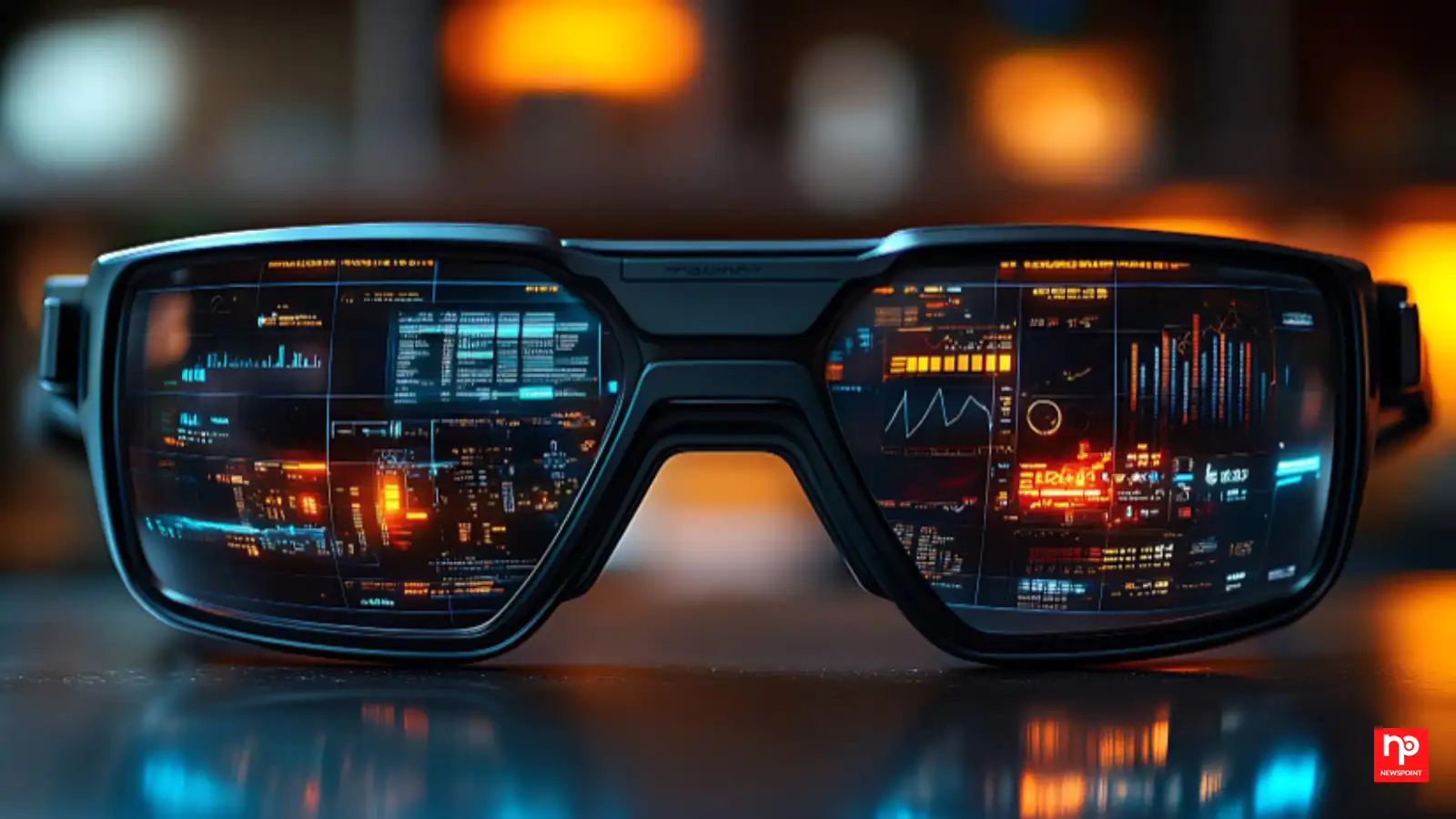
Major technology companies are investing heavily in smart eyewear that combines digital features with everyday convenience. What once looked futuristic is slowly becoming more practical and consumer-friendly.
Some models allow users to answer calls, listen to music, record videos, or receive notifications without touching their phones.
The idea is to create a more hands-free and seamless digital experience.
Advances in lightweight design, battery efficiency, and AI-powered features have made smart glasses more realistic for everyday use.
Younger consumers especially show interest in wearable devices that combine fashion with functionality.
Some companies are developing glasses that can summarize meetings, assist visually impaired users, or provide instant information through voice interaction.
This combination of AI and wearable tech is opening entirely new possibilities.
Many people remain uncomfortable with wearable cameras in public spaces. Others question whether smart glasses can truly replace smartphones.
Tech companies are working to make designs more stylish and less intrusive to encourage wider adoption.
As technology becomes more compact and AI continues evolving, wearable devices may become a bigger part of everyday communication and entertainment.
For now, smart glasses represent an industry that is rapidly evolving and attracting serious attention from some of the world’s biggest technology companies.
Major technology companies are investing heavily in smart eyewear that combines digital features with everyday convenience. What once looked futuristic is slowly becoming more practical and consumer-friendly.
What Are Smart Glasses?
Smart glasses are wearable devices that look similar to regular eyewear but include technology features such as cameras, speakers, voice assistants, navigation tools, and augmented reality displays.Some models allow users to answer calls, listen to music, record videos, or receive notifications without touching their phones.
The idea is to create a more hands-free and seamless digital experience.
Why Interest in Smart Glasses Is Growing
One major reason behind the growing popularity of smart glasses is convenience. People increasingly want technology that integrates naturally into daily routines without constantly requiring phone usage.Advances in lightweight design, battery efficiency, and AI-powered features have made smart glasses more realistic for everyday use.
Younger consumers especially show interest in wearable devices that combine fashion with functionality.
The Role of Artificial Intelligence
Artificial Intelligence is becoming a key part of smart glasses technology. AI-powered glasses may help users translate languages, identify objects, provide directions, or answer questions in real time.You may also like
- US clears H200 chip sales to 10 China firms
- GeForce NOW gets Subnautica 2, Forza Horizon 6 early access, and more this week
- Cerebras shares skyrocket in debut amid AI mania
- Musk, Altman under attack as OpenAI trial nears end
- As layoffs cross 1 lakh across tech industry in 2026, here are AI-proof jobs for engineers
Some companies are developing glasses that can summarize meetings, assist visually impaired users, or provide instant information through voice interaction.
This combination of AI and wearable tech is opening entirely new possibilities.
Challenges Companies Still Face
Despite excitement around the technology, smart glasses still face challenges related to battery life, pricing, privacy concerns, and social acceptance.Many people remain uncomfortable with wearable cameras in public spaces. Others question whether smart glasses can truly replace smartphones.
Tech companies are working to make designs more stylish and less intrusive to encourage wider adoption.
Could Smart Glasses Replace Smartphones?
Experts remain divided on whether smart glasses will eventually replace smartphones completely. However, many believe they could become an important secondary device within the next few years.As technology becomes more compact and AI continues evolving, wearable devices may become a bigger part of everyday communication and entertainment.
For now, smart glasses represent an industry that is rapidly evolving and attracting serious attention from some of the world’s biggest technology companies.






More from our partners


Loving Newspoint? Download the app now
