
Uber, Instacart and Target can no longer charge you more based on your data in New York City; Mayor Zohran Mamdani says: New Yorkers' personal data should never be used as a weapon against…


New York City Mayor Zohran Mamdani recently shared a post on X (formerly Twitter) announcing a ban on “ surveillance pricing ” – a practice he says some companies use to charge different customers varying prices for identical goods or services. The City Council passed the legislation 44-5 on November 12, 2026, sponsored by Speaker Julie Menin with Mamdani's support; it targets data-driven price discrimination while allowing transparent loyalty programs and certain discounts. Notably, Uber , Lyft, Target , Instacart and airlines are among the companies that have faced scrutiny for alleged surveillance pricing.
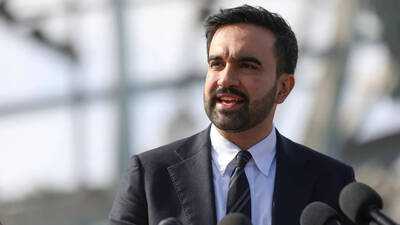
While many of the companies have denied using the practice, the new law seeks to prohibit it.
“Some companies use your personal data, like browsing history, to serve different prices to different costumers. It’s called surveillance pricing, and we just banned it in New York City,” Mamdani wrote in the post.
“This tweet will say the same thing in incognito mode, don’t worry,” he sarcastically said.
New York City Council passes law to ban surveillance pricingThe City Council on November 12 passed a bill to prohibit “surveillance pricing”. The new law bans companies from using browsing data to charge customers different prices for the same product. The surveillance pricing law passed the Democrat-dominated council in a 44-5 vote.
“There are many factors that are driving up costs,” City Council Speaker Julie Menin, who sponsored the bill, said at City Hall ahead of the vote. “Some of them are quite obvious to consumers, but a more subtle reason is the insidious and predatory corporate practice of surveillance pricing.
“For different consumers that are shopping at the exact same time, companies set different prices for the exact same product, taking advantage of their demographics, web browsing history, and shopping habits, as well as their social media activity, all to make New Yorkers pay more,” she added.
If the companies fail to copley with the new surveillance law, they wil have to pay a fine of $1,000.
Next Story