
The Hidden Risks of Smart Devices in Homes: What You Need to Know Before It’s Too Late

Walk into any modern home today, and you will likely find at least a few smart devices quietly doing their job. From voice assistants answering questions to smart TVs streaming content effortlessly, technology has blended into daily life in ways that once felt futuristic. These devices promise convenience, efficiency, and even a sense of luxury.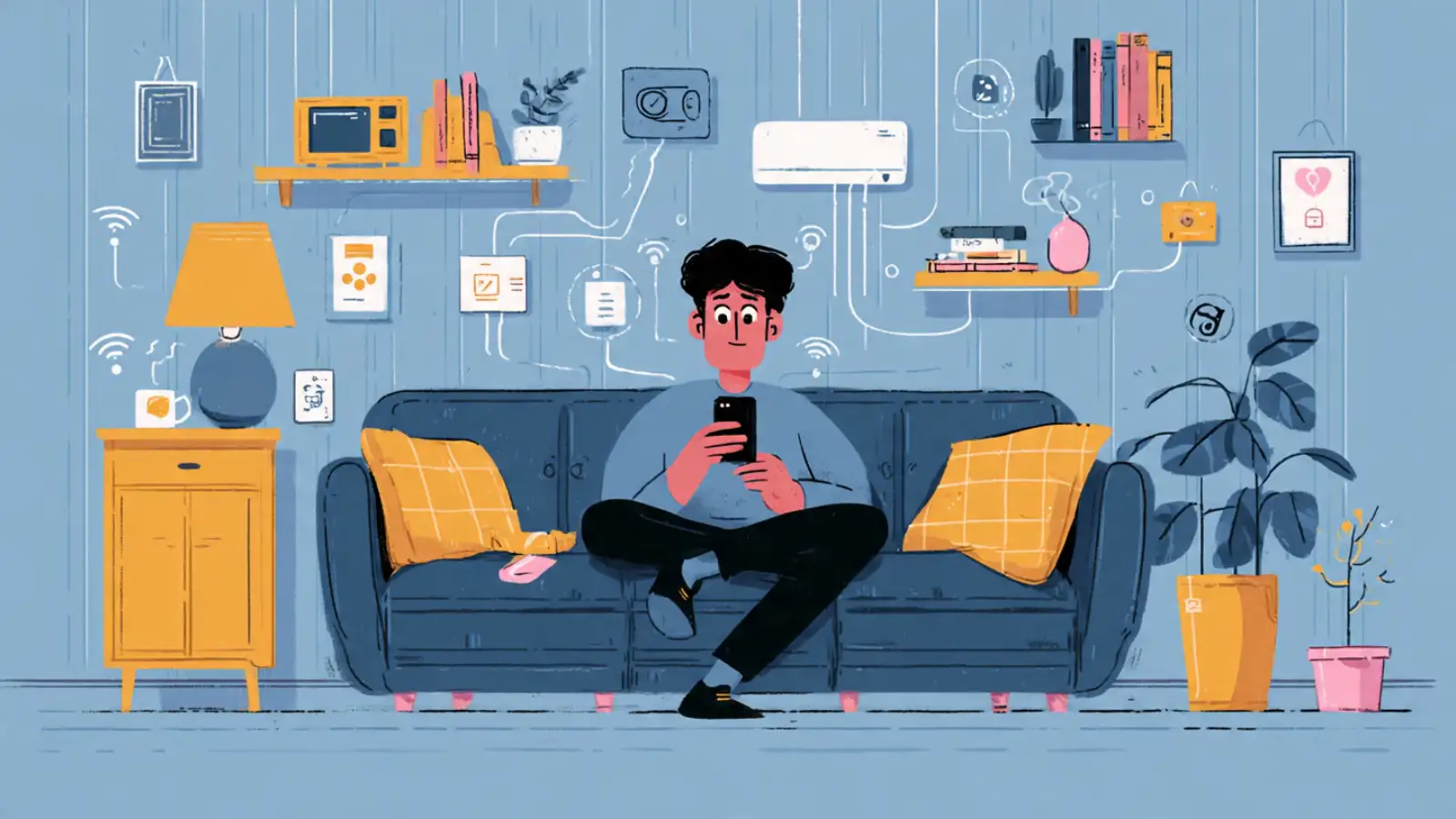
But beneath this comfort lies a side that often goes unnoticed. While we enjoy the ease of controlling everything with a tap or a voice command, we rarely stop to think about what we might be giving up in return. The hidden risks of smart devices in homes are not always obvious, and that is exactly what makes them important to understand.
This is not about fear or avoiding technology altogether. It is about being aware, staying informed, and making smarter choices in a connected world.
The reality is that most smart devices rely heavily on constant data exchange. They are always listening, always learning, and always connected. This creates a system where your daily habits, preferences, and routines are quietly recorded and processed.
What feels like a small trade for convenience can slowly turn into a deeper level of dependency. When everyday tasks become tied to technology, it becomes harder to imagine functioning without it.
This data can include your voice commands, your schedule, your entertainment choices, and even how you interact with people in your home. While companies often claim that this data is used to improve user experience, the line between helpful and intrusive can sometimes blur.
Many users are not fully aware of what they have agreed to when setting up these devices. Privacy policies are often long and complex, making it easy to skip through them without understanding the implications.
Over time, this can lead to a situation where your personal space is no longer entirely private, even within your own home.
Every connected device becomes a potential entry point for hackers. If one device is compromised, it can open the door to others on the same network. This creates a chain reaction that can affect multiple aspects of your digital life.
Weak passwords, outdated software, and unsecured networks make it easier for cyber threats to slip through unnoticed. What makes this more concerning is that many people do not regularly update or monitor their devices.
Cybersecurity in smart homes is not just about protecting data. It is also about protecting control. When devices are connected to lighting, locks, or cameras, a breach can go beyond digital harm.
This shift can reduce awareness and adaptability. When everything is automated, there is less need to think, plan, or act independently.
Over time, this can affect how people interact with their environment. It may also impact problem-solving skills, especially when technology fails or is unavailable.
While convenience is valuable, relying too heavily on it can quietly change how we function in everyday life.
There is always a possibility that data can be shared with third parties, used for targeted advertising, or even accessed without clear user consent. The lack of transparency in how this data flows can make it difficult for users to stay informed.
Even when companies follow regulations, the complexity of data systems means that users rarely have full control over their information. This creates a gap between what users expect and what actually happens behind the scenes.
Even when you are trying to relax, smart devices may still demand attention. This can make it harder to disconnect and enjoy quiet moments.
The presence of always-listening devices can also create a feeling of being observed, even if that is not the case. Over time, this can influence comfort levels and how freely people behave in their own homes.
Devices may stop communicating properly, apps may crash, or updates may create unexpected problems. When multiple systems depend on each other, even a small glitch can disrupt the entire setup.
This can turn convenience into frustration, especially when basic functions become dependent on a system that is not fully reliable.
Maintenance, upgrades, subscriptions, and replacements can slowly add up. As technology evolves, older devices may become outdated or unsupported, requiring further investment.
This ongoing cost is something many users do not fully consider at the beginning.
The key lies in awareness. Understanding how devices work, managing privacy settings, and keeping systems updated can make a significant difference.
It is also important to maintain a balance. Not every task needs to be automated, and not every device needs to be connected. Choosing what truly adds value can help create a smarter and safer environment.
But beneath this comfort lies a side that often goes unnoticed. While we enjoy the ease of controlling everything with a tap or a voice command, we rarely stop to think about what we might be giving up in return. The hidden risks of smart devices in homes are not always obvious, and that is exactly what makes them important to understand.
This is not about fear or avoiding technology altogether. It is about being aware, staying informed, and making smarter choices in a connected world.
The Illusion of Convenience
Smart home devices are designed to simplify life. They reduce effort, save time, and often feel like helpful companions. Over time, this convenience becomes so normal that we stop questioning how these devices actually work.The reality is that most smart devices rely heavily on constant data exchange. They are always listening, always learning, and always connected. This creates a system where your daily habits, preferences, and routines are quietly recorded and processed.
What feels like a small trade for convenience can slowly turn into a deeper level of dependency. When everyday tasks become tied to technology, it becomes harder to imagine functioning without it.
Privacy Concerns That Often Go Unnoticed
One of the biggest concerns around smart home devices is privacy. These devices are built to understand you better, which means they collect a significant amount of personal information.This data can include your voice commands, your schedule, your entertainment choices, and even how you interact with people in your home. While companies often claim that this data is used to improve user experience, the line between helpful and intrusive can sometimes blur.
Many users are not fully aware of what they have agreed to when setting up these devices. Privacy policies are often long and complex, making it easy to skip through them without understanding the implications.
Over time, this can lead to a situation where your personal space is no longer entirely private, even within your own home.
Security Vulnerabilities and Cyber Threats
Another major issue is security. Smart home security risks are becoming more relevant as more devices get connected to the internet.Every connected device becomes a potential entry point for hackers. If one device is compromised, it can open the door to others on the same network. This creates a chain reaction that can affect multiple aspects of your digital life.
Weak passwords, outdated software, and unsecured networks make it easier for cyber threats to slip through unnoticed. What makes this more concerning is that many people do not regularly update or monitor their devices.
Cybersecurity in smart homes is not just about protecting data. It is also about protecting control. When devices are connected to lighting, locks, or cameras, a breach can go beyond digital harm.
The Risk of Overdependence
As smart devices become more integrated into daily routines, there is a growing risk of overdependence. Tasks that were once simple can start to feel difficult without technological assistance.This shift can reduce awareness and adaptability. When everything is automated, there is less need to think, plan, or act independently.
Over time, this can affect how people interact with their environment. It may also impact problem-solving skills, especially when technology fails or is unavailable.
While convenience is valuable, relying too heavily on it can quietly change how we function in everyday life.
Data Misuse and Lack of Transparency
Another hidden concern is how collected data is used beyond its original purpose. Smart device privacy issues often extend beyond just collection.There is always a possibility that data can be shared with third parties, used for targeted advertising, or even accessed without clear user consent. The lack of transparency in how this data flows can make it difficult for users to stay informed.
Even when companies follow regulations, the complexity of data systems means that users rarely have full control over their information. This creates a gap between what users expect and what actually happens behind the scenes.
Constant Connectivity and Mental Impact
Living in a fully connected home can also have subtle effects on mental well-being. Notifications, alerts, and constant digital interaction can create a sense of being always “on.”Even when you are trying to relax, smart devices may still demand attention. This can make it harder to disconnect and enjoy quiet moments.
The presence of always-listening devices can also create a feeling of being observed, even if that is not the case. Over time, this can influence comfort levels and how freely people behave in their own homes.
You may also like
- Google Pixel 10a launched in Japan, offered in exclusive Isai Blue colour
- LG Energy Solution turns to operating loss in Q1 amid Mideast crisis
- As OpenAI aligns with Donald Trump's AI regulation, Sam Altman shares 13-page-long vision for a world where AI beats Human Intelligence
- Food PLI scheme attracts Rs 9,207 crore investment, creates 3.29 lakh jobs
- Microsoft responds to viral claims on Copilot's terms of service language; says: 'Entertainment purposes' phrasing is ...
Compatibility and System Failures
Smart home ecosystems are often made up of devices from different brands and platforms. While they are designed to work together, compatibility issues can arise.Devices may stop communicating properly, apps may crash, or updates may create unexpected problems. When multiple systems depend on each other, even a small glitch can disrupt the entire setup.
This can turn convenience into frustration, especially when basic functions become dependent on a system that is not fully reliable.
Financial Costs That Add Up
At first glance, smart devices may seem like a one-time investment. However, the long-term costs can be higher than expected.Maintenance, upgrades, subscriptions, and replacements can slowly add up. As technology evolves, older devices may become outdated or unsupported, requiring further investment.
This ongoing cost is something many users do not fully consider at the beginning.
Finding a Balanced Approach
Despite these risks, smart devices are not inherently bad. They offer real benefits when used thoughtfully and responsibly.The key lies in awareness. Understanding how devices work, managing privacy settings, and keeping systems updated can make a significant difference.
It is also important to maintain a balance. Not every task needs to be automated, and not every device needs to be connected. Choosing what truly adds value can help create a smarter and safer environment.






More from our partners


Loving Newspoint? Download the app now
