
What Dark Mode Actually Does to Your Eyes (And What It Doesn't)

Most people who use dark mode believe they are doing their eyes a favour. The setting is easy to reach, the screen looks softer, and the logic feels obvious: less bright light, less strain. The reality is more specific than that, and knowing the difference helps you use the setting in the right situations rather than treating it as a cure for all screen discomfort.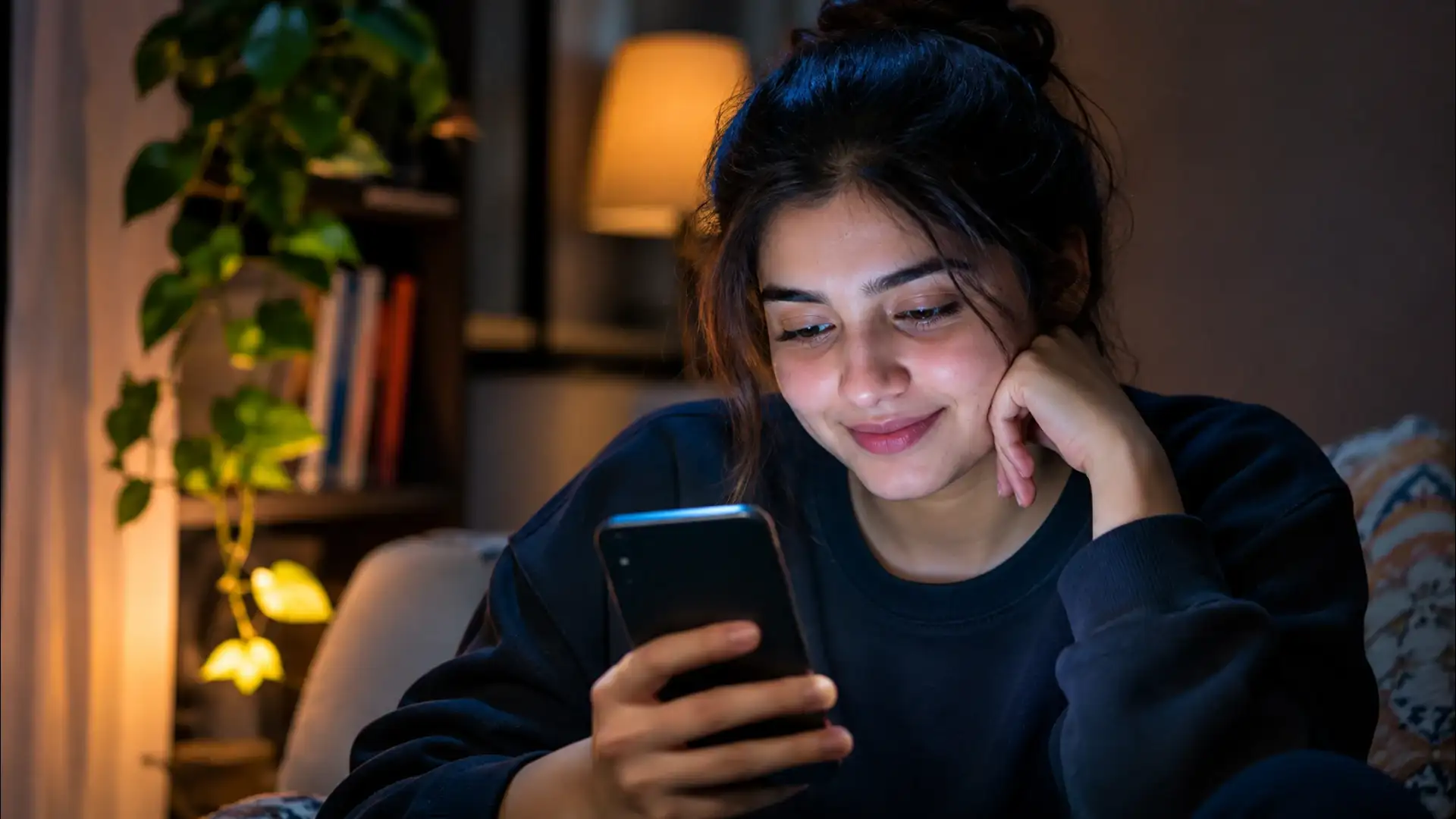
What the Eye Is Actually Responding To
The human eye has two kinds of light-sensitive cells. Cones handle colour and fine detail in good light. Rods take over in low light but cannot read fine print well. When you read white text on a black screen in a dim room, your rods are doing more of the work than they are designed for. The pupil also opens wider in dark conditions, which lets in more light but reduces the eye's depth of focus. This is why reading small white text on black in a dark room can feel harder on the eyes than it looks, even though the screen appears gentler. The eye is not simply a camera. It adjusts constantly, and the adjustment itself costs energy.Where Dark Mode Genuinely Helps
The clearest benefit is at night, in a dark room, when the screen is the only light source. A bright white background in that situation forces the pupil to constrict repeatedly as you glance away and back. That repeated adjustment, called pupillary light reflex, is one of the real contributors to end-of-day eye fatigue. Switching to dark mode reduces the contrast between the screen and the surrounding room, which means the pupil adjusts less often. This is a real, measurable effect, not a placebo. Dark mode also reduces the total amount of blue-wavelength light the screen emits, because blue light is concentrated in white and bright-coloured displays. Blue light in the evening suppresses melatonin production, which is the hormone that signals the body to prepare for sleep. Reducing it in the hours before bed is genuinely useful, though a blue-light filter does this more directly than dark mode alone.Where Dark Mode Makes Things Harder
In a well-lit room or outdoors, a dark background with light text performs worse than a light background with dark text for most people. The reason is contrast sensitivity. In bright ambient light, the eye is adapted for photopic vision, where dark text on a white background offers sharper contrast and is easier to resolve. Switching to dark mode in sunlight or under office fluorescents can make text harder to read, which means the eye works harder to pull the letters apart. People with certain vision conditions, including astigmatism, often find white-on-dark text causes more halation, a soft glow or blur around letters, because the pupil is more open. If you have ever noticed that white text seems to bleed into its black background, this is why.What Dark Mode Cannot Do
Dark mode does not repair eye strain that has already built up. It does not treat dry eyes, which are caused by reduced blinking during screen use, not by screen brightness. It does not protect the retina from long-term damage. The idea that screens permanently harm the retina is not supported by clinical evidence for normal usage; the discomfort people feel is real, but it is muscular and neurological fatigue, not tissue damage. Dark mode also does not replace the 20-20-20 habit, which is the single most consistently recommended screen-fatigue reducer: every twenty minutes, look at something twenty feet away for twenty seconds. This gives the ciliary muscle, which holds the lens in focus, a chance to relax. No display setting does that.How to Use It Well
The most useful approach is situational. Use dark mode in the evening and in dim environments, where it reduces pupillary strain and blue-light output. Use a light background during the day, especially for reading-heavy tasks, where contrast sensitivity works in its favour. Adjust screen brightness to match the room rather than leaving it at a fixed level. A screen that is roughly as bright as the surrounding environment causes the least adjustment work for the eye. Font size matters more than most people realise: a larger font on either background reduces the effort of resolving individual letters far more than any colour scheme does. Dark mode is a useful tool in the right conditions. It is not a substitute for the habits that actually reduce screen fatigue.Next Story