
Protect Yourself: How to Identify and Avoid Phishing Scams Targeting Bank Customers

Phishing scams are one of the most common forms of cyber fraud targeting bank customers. Criminals use fake emails, SMS, and websites to trick people into revealing sensitive details like PINs, passwords, or OTPs. Falling victim to such scams can result in financial loss and identity theft. Knowing how to identify and avoid phishing attempts is crucial for safe online banking.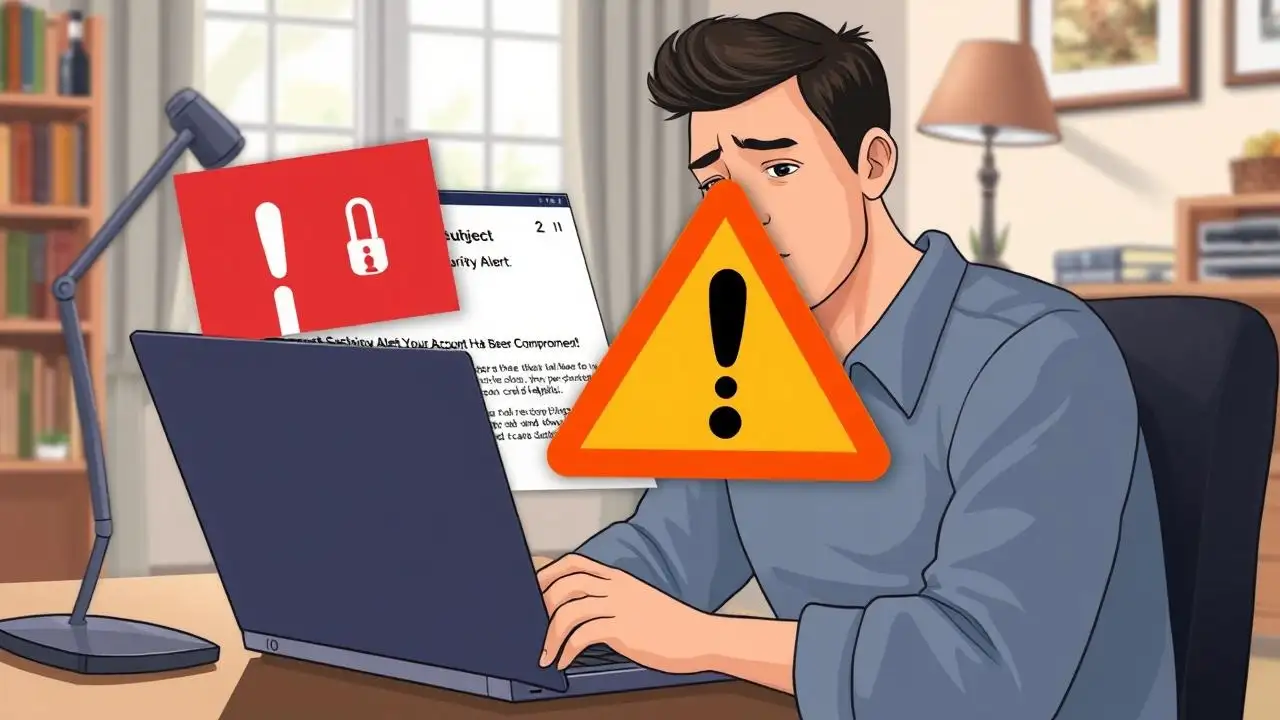
What is Phishing?
Phishing is a fraudulent practice where attackers impersonate trusted organisations, such as banks, to steal confidential information. They send fake messages that often look genuine, asking users to click on links or share account details. These scams rely on deception and urgency to trick victims.Common Types of Phishing Scams
There are several types of phishing scams targeting bank customers. Email phishing is the most common, where fake emails direct users to fraudulent websites. SMS phishing, or “smishing,” involves text messages containing malicious links. Voice phishing, also called “vishing,” uses phone calls from scammers pretending to be bank representatives.How to Identify a Phishing Attempt
Phishing attempts usually have signs that customers can spot. Poor grammar, spelling mistakes, and suspicious sender addresses are common indicators. Urgent messages claiming account suspension or unusual transactions are another red flag. Legitimate banks never ask for sensitive details like PINs or OTPs over email or text.Why Bank Customers Are Targeted
Banking customers are prime targets because access to financial accounts offers direct monetary gain for criminals. With the rise in online and mobile banking, fraudsters have more opportunities to trick users into sharing information through digital platforms.Safe Practices to Avoid Phishing Scams
Customers can avoid phishing by being cautious with emails and links. Never click on links or download attachments from unknown sources. Always verify suspicious messages by contacting the bank directly through official customer service numbers. Enabling two-factor authentication adds an extra layer of protection.Role of Banks in Preventing Phishing
Banks are continuously working to raise awareness and provide security updates to their customers. Many banks send alerts warning users about common scams and have secure messaging systems within mobile apps. Some also use artificial intelligence to detect and block suspicious activities.What to Do If You Fall Victim to Phishing
If you suspect you have shared details with a scammer, immediately contact your bank to block access to your account. Reset your passwords and monitor your statements for unusual transactions. Reporting the incident to the cybercrime helpline can also prevent further misuse.Future of Phishing Scams and Security
As technology advances, phishing attempts are becoming more sophisticated. Banks and security firms are developing stronger measures such as biometric authentication, encrypted communication, and fraud-detection algorithms to counter these scams.Next Story