
What Actually Happens in the Seconds After You Make a UPI Payment?

You scan a QR code, enter an amount, type your UPI PIN and tap pay. Within seconds, the familiar “payment successful” message appears. It feels almost effortless, but several systems have already worked together in the background. Your payment app, bank, the UPI network and the recipient’s bank all have roles to play, with authentication and security checks happening along the way. UPI was launched by the National Payments Corporation of India in 2016 and was designed to make bank-to-bank payments work almost instantly.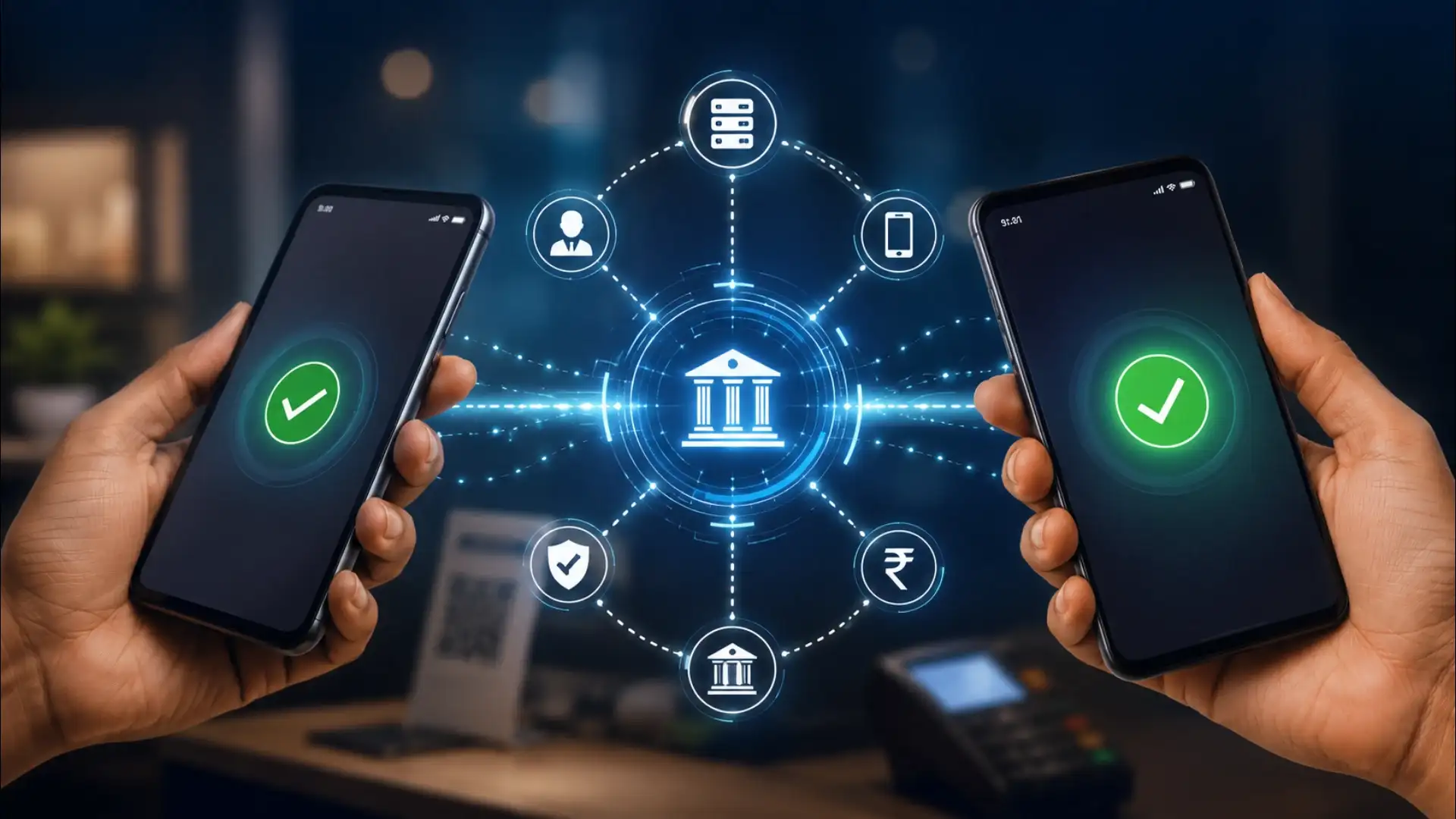
Your UPI PIN is the crucial authorisation step. UPI uses device binding and the PIN as part of its two-factor authentication framework, helping the bank establish that the payment has actually been authorised by you.
The network identifies the relevant issuing bank and beneficiary bank, allowing the transaction to be routed to the correct destination. Importantly, your UPI ID can act as an address without requiring you to hand your full bank account details to the person receiving the payment.
If everything checks out, the bank authorises the transfer. The recipient’s bank then receives the transaction information and credits the beneficiary’s account.
UPI was specifically built for immediate fund transfers, supporting both person-to-person and person-to-merchant payments.
So the next time a ₹500 payment takes only a few seconds, remember what is happening behind that tiny “successful” notification. A remarkably large financial network has just coordinated itself around a transaction that began with a tap on your screen.
Your Payment Request Starts With the App
When you enter the amount and confirm the payment, your UPI app creates a transaction request containing details such as the recipient, amount and your linked bank account. The request is sent through the payment ecosystem rather than directly from your phone to the recipient’s phone.Your UPI PIN is the crucial authorisation step. UPI uses device binding and the PIN as part of its two-factor authentication framework, helping the bank establish that the payment has actually been authorised by you.
NPCI Helps Route the Transaction
Once authorised, the transaction travels through UPI infrastructure operated by NPCI. Think of this as a highly organised digital traffic system connecting participating banks and payment service providers.The network identifies the relevant issuing bank and beneficiary bank, allowing the transaction to be routed to the correct destination. Importantly, your UPI ID can act as an address without requiring you to hand your full bank account details to the person receiving the payment.
You may also like
- Quote of the day by Larry Page: 'Lots of companies don't succeed over time'
- iQoo teases new Buds TWS design, set to launch alongside iQoo Z11 on August 20: What we know so far
- Itel launches its first ever home appliance portfolio in India with new washing machines and TVs: All details
- Google Cloud and Mahindra partners to bring Gemini Enterprise experience in car
- India's next generation of builders and innovators is already here: Gautam Adani
Your Bank Checks and Approves It
Your bank then validates the transaction. Among other things, the system checks whether the account can make the payment and whether the authentication is valid. Fraud and risk controls can also form part of modern electronic payment systems.If everything checks out, the bank authorises the transfer. The recipient’s bank then receives the transaction information and credits the beneficiary’s account.
Why Does It Feel Almost Instant?
The impressive part is not that one computer performs the entire job instantly. It is that several interconnected systems exchange information rapidly and operate continuously.UPI was specifically built for immediate fund transfers, supporting both person-to-person and person-to-merchant payments.
So the next time a ₹500 payment takes only a few seconds, remember what is happening behind that tiny “successful” notification. A remarkably large financial network has just coordinated itself around a transaction that began with a tap on your screen.






Loving Newspoint? Download the app now
