
What is the Full Form of CCTV? Features, Working & Benefits of the ‘Third Eye’ Security System

In today’s world, safeguarding homes, offices, and public spaces is more important than ever. But how can you ensure constant vigilance without being physically present? This is where CCTV comes in. If you’ve ever wondered what is the full form of CCTV, it stands for Closed-Circuit Television , a powerful security system that monitors and records activities in a designated area. Unlike traditional TV, CCTV feeds are private, accessible only through specific monitors or recording devices, earning it the nickname “the third eye” of modern security.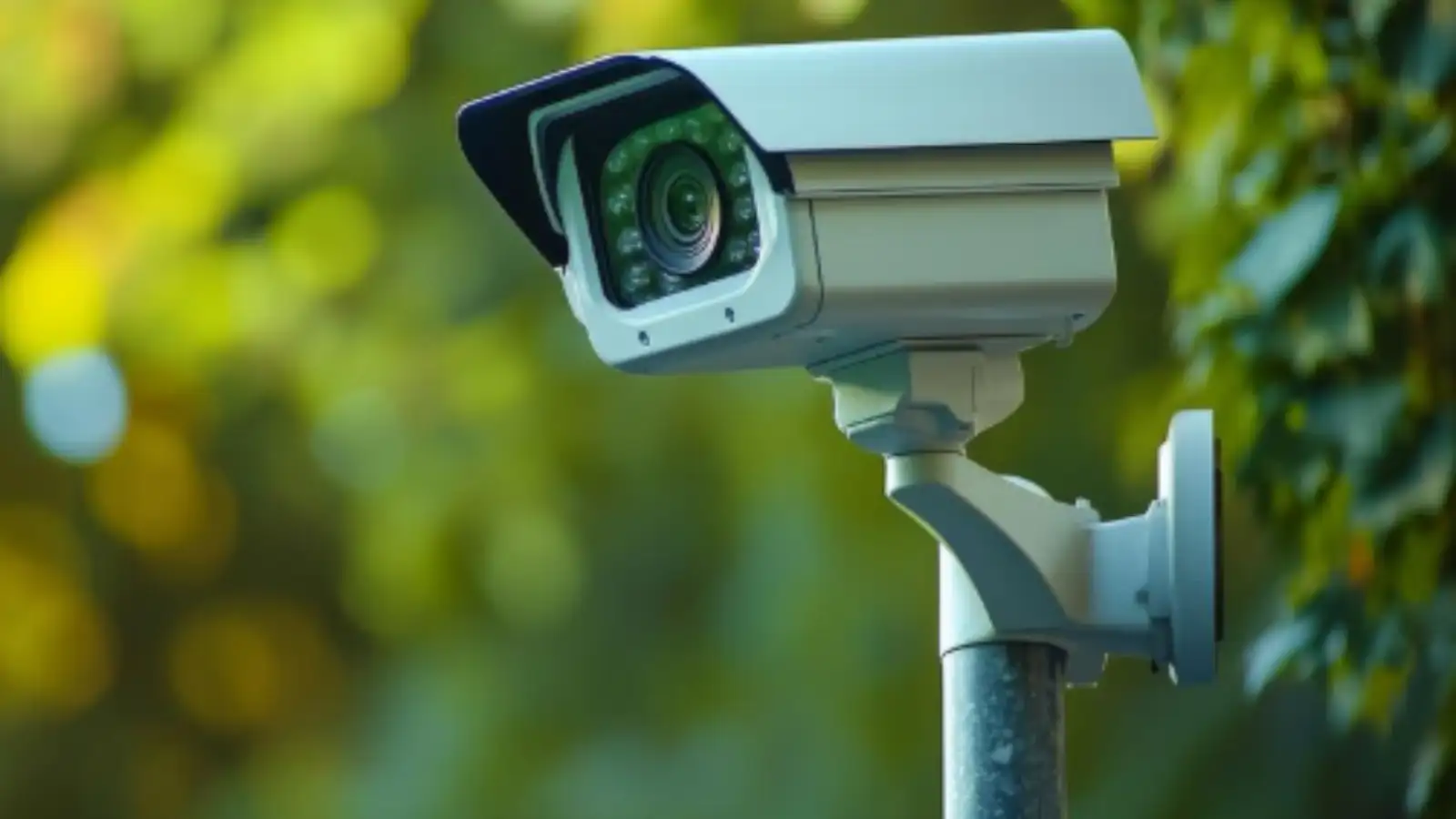
How Does a CCTV Camera Work?
A CCTV setup typically includes cameras, monitors, and recording equipment. Cameras capture video footage and transmit it either through wired connections or wirelessly to a central device. Modern CCTV systems have evolved from analog to digital, storing recordings on hard drives or cloud servers for easy access.
Some advanced CCTV cameras now come equipped with:
This combination of features ensures that your property, employees, and loved ones remain secure around the clock.
Key Features of CCTV Systems
CCTV systems are not just cameras; they are comprehensive security solutions. Here’s what makes them indispensable:
1. Continuous Surveillance – Deters crime by maintaining a constant watch over the premises.
2. High-Resolution Imaging – Captures clear and detailed footage for identification purposes.
3. Night Vision – Infrared technology ensures visibility even in total darkness.
4. Motion Detection Alerts – Sends instant notifications if unexpected movement is detected.
5. Remote Monitoring – Enables access to live or recorded footage anytime, anywhere.
Why CCTV is Crucial for Safety
CCTV has become a backbone of modern security systems. Its applications span across:
Moreover, CCTV footage often serves as valuable evidence in investigations, making it not just a deterrent but also a critical tool in solving crimes.
The Future of CCTV: Smarter Security
As technology advances, CCTV systems are becoming smarter, more affordable, and easier to manage. Integration with AI and analytics enables features like facial recognition, behaviour analysis, and predictive alerts. This makes CCTV an essential part of modern security strategies, ensuring that protection is always proactive, not reactive.
How Does a CCTV Camera Work?
A CCTV setup typically includes cameras, monitors, and recording equipment. Cameras capture video footage and transmit it either through wired connections or wirelessly to a central device. Modern CCTV systems have evolved from analog to digital, storing recordings on hard drives or cloud servers for easy access.
Some advanced CCTV cameras now come equipped with:
- Motion sensors to detect unusual activity
- Night vision and infrared technology for low-light monitoring
- Remote access via smartphones or computers, allowing real-time surveillance from anywhere
This combination of features ensures that your property, employees, and loved ones remain secure around the clock.
Key Features of CCTV Systems
CCTV systems are not just cameras; they are comprehensive security solutions. Here’s what makes them indispensable:
1. Continuous Surveillance – Deters crime by maintaining a constant watch over the premises.
2. High-Resolution Imaging – Captures clear and detailed footage for identification purposes.
3. Night Vision – Infrared technology ensures visibility even in total darkness.
4. Motion Detection Alerts – Sends instant notifications if unexpected movement is detected.
5. Remote Monitoring – Enables access to live or recorded footage anytime, anywhere.
Why CCTV is Crucial for Safety
CCTV has become a backbone of modern security systems. Its applications span across:
- Businesses and offices – Prevents theft, monitors employees, and ensures smooth operations.
- Homes – Protects families and property, providing peace of mind.
- Public spaces and traffic – Enhances law enforcement, accident prevention, and crowd control.
- Schools, hospitals, and government buildings – Maintains safety and accountability.
Moreover, CCTV footage often serves as valuable evidence in investigations, making it not just a deterrent but also a critical tool in solving crimes.
The Future of CCTV: Smarter Security
As technology advances, CCTV systems are becoming smarter, more affordable, and easier to manage. Integration with AI and analytics enables features like facial recognition, behaviour analysis, and predictive alerts. This makes CCTV an essential part of modern security strategies, ensuring that protection is always proactive, not reactive.
Next Story