
Which Are the Top Milk Producing States in India? Full List for 2023-24

India continues to dominate global dairy production, retaining its position as the world’s largest milk producer. According to the latest data for 2023-24, the country’s milk output has seen steady growth, with a handful of states contributing a major share to the total production.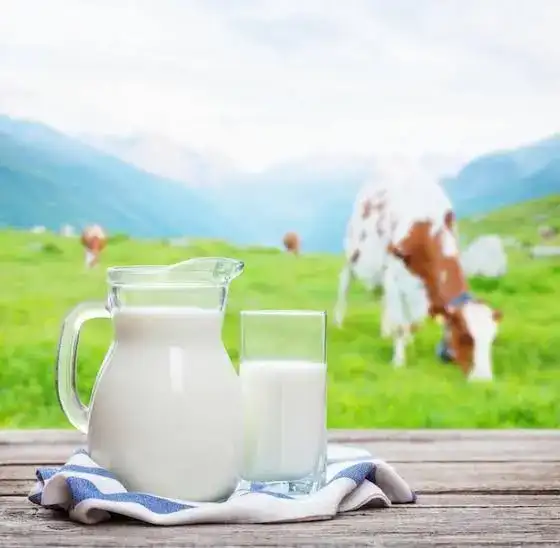
At the top of the list is Uttar Pradesh, which remains the highest milk-producing state in the country. The state alone contributes over 15 percent of India’s total milk production, making it the backbone of the country’s dairy sector. Its large livestock population, strong rural dairy network and increasing participation of farmers, especially women, have played a key role in maintaining its leading position.
Following Uttar Pradesh is Rajasthan, which holds the second position. Rajasthan has steadily increased its dairy output over the years, supported by improved cattle breeds, cooperative dairy systems and government-backed schemes. The state contributes close to 14-15 percent of the country’s milk production.
In third place is Madhya Pradesh, which has emerged as a strong dairy contributor in recent years. The state accounts for around 9 percent of India’s milk production. Growth in rural dairy infrastructure and increased focus on animal husbandry have helped Madhya Pradesh climb the rankings.
Gujarat, known for its cooperative dairy model led by institutions like Amul, ranks fourth. The state contributes nearly 7–8 percent of total milk production. Gujarat’s well-organised milk collection systems and strong supply chains have made it one of the most efficient dairy-producing regions in the country.
Rounding off the top five is Maharashtra, which contributes around 6–7 percent of India’s total milk output. The state’s dairy sector has benefited from urban demand, expanding milk processing units and increasing farmer participation.
Together, these five states account for more than 54 percent of India’s total milk production, highlighting how concentrated dairy output is in specific regions.
Overall, India’s total milk production reached approximately 239 million tonnes in 2023–24, reflecting consistent growth in the sector. This increase has been driven by improved livestock productivity, better veterinary services and rising demand for dairy products across the country.
The growth of the dairy sector also plays a crucial role in rural livelihoods. Millions of farmers depend on milk production as a steady source of income, making it one of the most important components of India’s agricultural economy.
The latest rankings highlight not just the scale of India’s dairy industry but also the regional strengths that drive it. From Uttar Pradesh’s massive output to Gujarat’s cooperative success model, each state contributes uniquely to the country’s position as a global dairy leader.
As demand for milk and dairy products continues to rise, these top-performing states are expected to remain central to India’s dairy growth story in the years ahead.
At the top of the list is Uttar Pradesh, which remains the highest milk-producing state in the country. The state alone contributes over 15 percent of India’s total milk production, making it the backbone of the country’s dairy sector. Its large livestock population, strong rural dairy network and increasing participation of farmers, especially women, have played a key role in maintaining its leading position.
Following Uttar Pradesh is Rajasthan, which holds the second position. Rajasthan has steadily increased its dairy output over the years, supported by improved cattle breeds, cooperative dairy systems and government-backed schemes. The state contributes close to 14-15 percent of the country’s milk production.
In third place is Madhya Pradesh, which has emerged as a strong dairy contributor in recent years. The state accounts for around 9 percent of India’s milk production. Growth in rural dairy infrastructure and increased focus on animal husbandry have helped Madhya Pradesh climb the rankings.
Gujarat, known for its cooperative dairy model led by institutions like Amul, ranks fourth. The state contributes nearly 7–8 percent of total milk production. Gujarat’s well-organised milk collection systems and strong supply chains have made it one of the most efficient dairy-producing regions in the country.
Rounding off the top five is Maharashtra, which contributes around 6–7 percent of India’s total milk output. The state’s dairy sector has benefited from urban demand, expanding milk processing units and increasing farmer participation.
Together, these five states account for more than 54 percent of India’s total milk production, highlighting how concentrated dairy output is in specific regions.
Overall, India’s total milk production reached approximately 239 million tonnes in 2023–24, reflecting consistent growth in the sector. This increase has been driven by improved livestock productivity, better veterinary services and rising demand for dairy products across the country.
The growth of the dairy sector also plays a crucial role in rural livelihoods. Millions of farmers depend on milk production as a steady source of income, making it one of the most important components of India’s agricultural economy.
The latest rankings highlight not just the scale of India’s dairy industry but also the regional strengths that drive it. From Uttar Pradesh’s massive output to Gujarat’s cooperative success model, each state contributes uniquely to the country’s position as a global dairy leader.
As demand for milk and dairy products continues to rise, these top-performing states are expected to remain central to India’s dairy growth story in the years ahead.
Next Story