
1,200 km more railway tracks coming: Govt clears 8 projects worth Rs 20,000 crore to connect 6,900 villages across West Bengal, Tamil Nadu, Karnataka & more


The Cabinet Committee on Economic Affairs, chaired by Prime Minister Narendra Modi, has approved eight railway infrastructure projects worth more than Rs 20,000 crore, aimed at expanding track capacity, easing congestion and improving connectivity across several states.
The projects, cleared on Wednesday, include new railway lines and multi-tracking works across more than 20 districts. Together, they are expected to add around 1,200 km to the Indian Railways network and improve the movement of both passengers and freight.
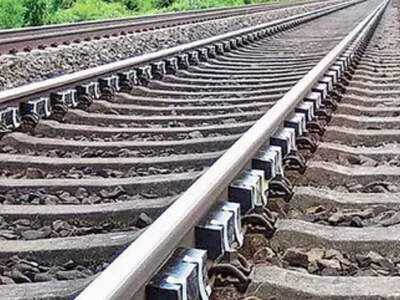
Indian Railways projects approved across key routes
Among the major projects is the construction of a fourth line along the Kharagpur-Jharsuguda and Katni-Pendra Road sections. The government has also approved a third line between Bilaspur (Uslapur) and Pendra Road.
Other sanctioned works include the construction of third and fourth lines between Arakkonam and Renigunta, and between Whitefield and Bangarapet. The Secunderabad (Ghatkesar)-Kazipet section will also undergo multi-tracking.
The Hosur-Omalur and Salem-Karur-Dindigul sections have been identified for doubling of the existing single railway lines.
Railway capacity to increase across 8 projects
According to the government, the additional railway capacity will improve operational efficiency and service reliability while helping reduce congestion on busy routes.
The projects are expected to strengthen the movement of people, goods and essential services, while creating smoother connections between different parts of the country.
The railway expansion will cover West Bengal, Jharkhand, Odisha, Madhya Pradesh, Chhattisgarh, Tamil Nadu, Andhra Pradesh, Karnataka and Telangana.
Over 6,900 villages to get better rail connectivity
The government said the proposed multi-tracking projects will improve rail connectivity to more than 6,900 villages with a combined population of over 1 crore.
The projects are also expected to improve access to several major tourist and religious destinations, including Taratarini Temple, Shri Khetra Jagannath Temple near Jharsuguda, Bandhavgarh Tiger Reserve, Virateshwar Temple, Amarkantak Temple, Jwaleshwar Dham and Achanakmar Tiger Reserve.
Other destinations expected to benefit include Khutaghat Dam, Malhar Archaeological Site and Ratanpur Mahamaya Temple.
Rail projects to boost coal, cement and steel movement
Several of the routes covered by the projects are important corridors for transporting commodities such as coal, cement, iron and steel.
The government estimates that the additional railway capacity could generate around 74 million tonnes per annum of additional freight traffic.
The expansion is also expected to reduce pressure on existing routes and improve the efficiency of freight movement across key industrial and mining regions.
Projects aligned with PM Gati Shakti plan
The railway projects have been planned under the PM Gati Shakti National Master Plan, with a focus on improving multi-modal connectivity and logistics efficiency.
The government said the planning process involved integrated coordination and consultations with relevant stakeholders. The aim is to create seamless connectivity for the movement of people, goods and services while improving overall logistics infrastructure.
Railway expansion expected to cut emissions
The government highlighted the environmental benefits of expanding railway infrastructure, describing rail transport as an energy-efficient and relatively environment-friendly mode of transportation.
It said the projects could help reduce logistics costs, lower dependence on oil imports and cut carbon dioxide emissions. The estimated reduction in emissions is equivalent to the environmental impact of planting around 4.48 crore trees.
Ashwini Vaishnaw gives bullet train project update
Railway Minister Ashwini Vaishnaw, while briefing the media about the newly approved projects, also shared an update on India's bullet train programme.
Vaishnaw said the indigenous high-speed train being developed in India is expected to be ready for testing by May-June next year.
The government has also set a target to begin bullet train services on the 100-km Surat-Vapi section in Gujarat in August next year.
The latest railway infrastructure approvals come as Indian Railways continues to expand track capacity and develop high-speed rail infrastructure alongside efforts to improve passenger and freight connectivity across the country.
Inputs from agencies
The projects, cleared on Wednesday, include new railway lines and multi-tracking works across more than 20 districts. Together, they are expected to add around 1,200 km to the Indian Railways network and improve the movement of both passengers and freight.
Indian Railways projects approved across key routes
Among the major projects is the construction of a fourth line along the Kharagpur-Jharsuguda and Katni-Pendra Road sections. The government has also approved a third line between Bilaspur (Uslapur) and Pendra Road.
Other sanctioned works include the construction of third and fourth lines between Arakkonam and Renigunta, and between Whitefield and Bangarapet. The Secunderabad (Ghatkesar)-Kazipet section will also undergo multi-tracking.
The Hosur-Omalur and Salem-Karur-Dindigul sections have been identified for doubling of the existing single railway lines.
Railway capacity to increase across 8 projects
According to the government, the additional railway capacity will improve operational efficiency and service reliability while helping reduce congestion on busy routes.
The projects are expected to strengthen the movement of people, goods and essential services, while creating smoother connections between different parts of the country.
The railway expansion will cover West Bengal, Jharkhand, Odisha, Madhya Pradesh, Chhattisgarh, Tamil Nadu, Andhra Pradesh, Karnataka and Telangana.
Over 6,900 villages to get better rail connectivity
The government said the proposed multi-tracking projects will improve rail connectivity to more than 6,900 villages with a combined population of over 1 crore.
The projects are also expected to improve access to several major tourist and religious destinations, including Taratarini Temple, Shri Khetra Jagannath Temple near Jharsuguda, Bandhavgarh Tiger Reserve, Virateshwar Temple, Amarkantak Temple, Jwaleshwar Dham and Achanakmar Tiger Reserve.
Other destinations expected to benefit include Khutaghat Dam, Malhar Archaeological Site and Ratanpur Mahamaya Temple.
Rail projects to boost coal, cement and steel movement
Several of the routes covered by the projects are important corridors for transporting commodities such as coal, cement, iron and steel.
The government estimates that the additional railway capacity could generate around 74 million tonnes per annum of additional freight traffic.
The expansion is also expected to reduce pressure on existing routes and improve the efficiency of freight movement across key industrial and mining regions.
Projects aligned with PM Gati Shakti plan
The railway projects have been planned under the PM Gati Shakti National Master Plan, with a focus on improving multi-modal connectivity and logistics efficiency.
The government said the planning process involved integrated coordination and consultations with relevant stakeholders. The aim is to create seamless connectivity for the movement of people, goods and services while improving overall logistics infrastructure.
Railway expansion expected to cut emissions
The government highlighted the environmental benefits of expanding railway infrastructure, describing rail transport as an energy-efficient and relatively environment-friendly mode of transportation.
It said the projects could help reduce logistics costs, lower dependence on oil imports and cut carbon dioxide emissions. The estimated reduction in emissions is equivalent to the environmental impact of planting around 4.48 crore trees.
Ashwini Vaishnaw gives bullet train project update
Railway Minister Ashwini Vaishnaw, while briefing the media about the newly approved projects, also shared an update on India's bullet train programme.
Vaishnaw said the indigenous high-speed train being developed in India is expected to be ready for testing by May-June next year.
The government has also set a target to begin bullet train services on the 100-km Surat-Vapi section in Gujarat in August next year.
The latest railway infrastructure approvals come as Indian Railways continues to expand track capacity and develop high-speed rail infrastructure alongside efforts to improve passenger and freight connectivity across the country.
Inputs from agencies
Next Story