
Apple iPad mini OLED Review: The iPod Touch of 2026, and Perhaps the Best iPad for Most Users


Apple's iPad lineup has always catered to different users. The regular iPad and iPad Air appeal to a wider audience, while the iPad Pro is perhaps the only model with an absolutely clear target user: professionals who need its performance and advanced capabilities. And then there is the iPad mini, a rather niche product that, in our opinion, could actually be the best iPad for most users.

The new iPad mini OLED doesn't attempt to replace a MacBook or become a full-fledged workstation. Instead, it focuses on something Apple has historically done exceptionally well: delivering a powerful, portable device built around everyday experiences.
In many ways, it reminds us of the iPod Touch. It is essentially an iPhone-like device with a larger display, designed around content consumption, entertainment and connectivity.
But in 2026, when Apple also has the foldable iPhone Duo, does a compact tablet still make sense? We have been using the iPad mini OLED Wi-Fi + Cellular variant with 512GB storage to find out.
Price and availability
The iPad mini OLED starts at Rs 82,900 for the Wi-Fi variant, while the Wi-Fi + Cellular model starts at Rs 1,00,900. Our review unit, the 512GB Wi-Fi + Cellular variant, is priced at Rs 1,48,900.
Design and display
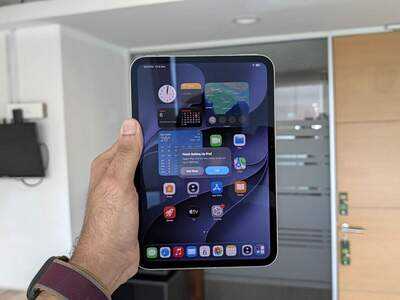
 The iPad mini OLED is one of the most comfortable tablets in Apple's lineup. At just 5.4mm thick and weighing 263 grams for the cellular variant, it is easy to carry around and comfortable to hold for extended periods.
Interestingly, its design also makes a strong case against the iPhone Duo.
While the Duo attempts to combine a smartphone and tablet into one foldable device, the iPad mini offers an uninterrupted 8.5-inch display without a hinge or folding mechanism. Compared with the Duo's 7.6-inch inner screen, the mini provides a larger and more conventional canvas for watching videos, reading and browsing.
The OLED panel is the biggest upgrade this year. Colours are vibrant, blacks are deep, and the overall viewing experience is excellent. The Super Retina XDR display also supports up to 1,200 nits of peak HDR brightness.
However, the absence of a 120Hz ProMotion display is disappointing, particularly at this price. The iPhone Duo offers a smoother 120Hz experience, and the difference is noticeable.
The speakers are another pleasant surprise. Despite its compact dimensions, the iPad mini gets impressively loud, making it a great device for watching videos, streaming shows and listening to music without needing external speakers. Combined with the OLED display, the audio experience further strengthens its position as an excellent entertainment device.
Performance and software
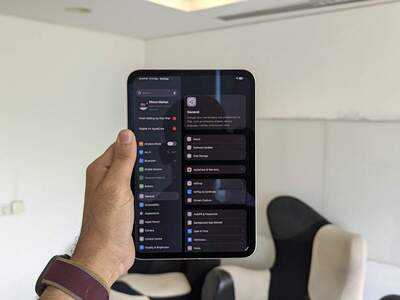 Powering the iPad mini OLED is Apple's A20 Pro chip, also found in the iPhone 18 Pro series and iPhone Duo.
Our 512GB variant features a six-core CPU, seven-core GPU and dual 16-core Neural Engine, offering more processing power than the lower-storage configurations.
Performance is hardly a concern. The iPad mini has enough processing headroom for demanding applications, gaming, multitasking and occasional creative work.
But what makes it interesting is how that performance translates into everyday usage. It feels as responsive and familiar as an iPhone, while the larger display and iPadOS 27 make browsing, reading and navigating applications considerably more comfortable.
Apple Intelligence and Siri AI capabilities are also supported, alongside Apple Pencil Pro for note-taking and annotations.
However, we wouldn't recommend the iPad mini to someone looking for a laptop replacement. That is where the larger iPads make more sense.
A content hub that makes sense
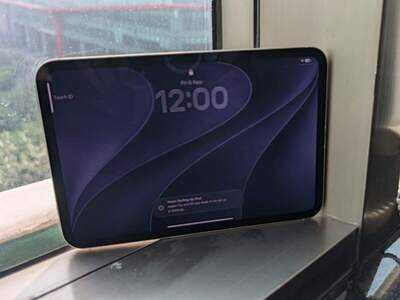 This is where the iPad mini truly stands out.
Smartphones have become extremely powerful, but that doesn't necessarily make them the most comfortable devices for every activity.
Watching long-form videos, reading articles, browsing websites or catching up on entertainment simply feels better on a larger display. The combination of a vibrant OLED panel and surprisingly loud speakers makes the experience even more enjoyable.
The iPad mini offers that additional screen space without the bulk associated with conventional tablets.
In fact, it reminds us of the iPod Touch, a device that offered much of the iPhone experience without necessarily replacing the smartphone.
The iPad mini follows a similar philosophy. It is a powerful content hub that is compact enough to accompany you almost everywhere.
Unlike larger tablets that often remain on a desk or bedside table, the mini is something you are more likely to pick up throughout the day.
And that, in our opinion, is its biggest advantage.
Cameras, connectivity and battery
The iPad mini OLED features a 12MP rear camera capable of recording 4K video, alongside a landscape-oriented 12MP Center Stage front camera.
The cameras are adequate for video calls, scanning documents and occasional photography, although they are unlikely to replace a flagship smartphone.
Our cellular variant supports 5G connectivity through Apple's C2 modem, along with Wi-Fi 7 and Bluetooth 6. Cellular connectivity is particularly useful on a device designed around portability.
Apple claims up to 10 hours of web browsing or video playback over Wi-Fi and up to nine hours of web browsing over cellular connectivity. Battery life will depend on usage, but the figures are reasonable for a device of this size.
 Verdict
The iPad mini OLED is a niche product, but that doesn't necessarily make it difficult to recommend.
The regular iPad and iPad Air will continue to attract wider audiences, while the iPad Pro remains the obvious choice for professionals. But for users who primarily want a tablet for entertainment, reading, browsing and everyday applications, the iPad mini arguably makes more sense.
And then there is the iPhone Duo comparison.
The iPhone Duo starts at Rs 2,99,900 in India. In comparison, an iPhone 18 Pro Max starts at Rs 1,79,900, while the iPad mini OLED starts at Rs 82,900.
That means you can buy an iPhone 18 Pro Max and an iPad mini OLED for Rs 2,62,800, saving Rs 37,100 over the entry-level iPhone Duo.
Of course, the Duo offers the convenience of having both experiences in a single device. But a flagship iPhone with its advanced cameras, paired with a dedicated OLED tablet, is arguably a more practical combination for many users.
The iPad mini OLED isn't the most affordable or the most powerful iPad. But it is perhaps the most convenient.
It is powerful like an iPhone, offers an excellent content consumption experience with its OLED display and loud speakers, and is compact enough to carry almost everywhere. The iPad mini is effectively the iPod Touch of today, and that is precisely why it could be the best iPad for most users.
The new iPad mini OLED doesn't attempt to replace a MacBook or become a full-fledged workstation. Instead, it focuses on something Apple has historically done exceptionally well: delivering a powerful, portable device built around everyday experiences.
In many ways, it reminds us of the iPod Touch. It is essentially an iPhone-like device with a larger display, designed around content consumption, entertainment and connectivity.
But in 2026, when Apple also has the foldable iPhone Duo, does a compact tablet still make sense? We have been using the iPad mini OLED Wi-Fi + Cellular variant with 512GB storage to find out.
Price and availability
The iPad mini OLED starts at Rs 82,900 for the Wi-Fi variant, while the Wi-Fi + Cellular model starts at Rs 1,00,900. Our review unit, the 512GB Wi-Fi + Cellular variant, is priced at Rs 1,48,900.
Design and display
Interestingly, its design also makes a strong case against the iPhone Duo.
While the Duo attempts to combine a smartphone and tablet into one foldable device, the iPad mini offers an uninterrupted 8.5-inch display without a hinge or folding mechanism. Compared with the Duo's 7.6-inch inner screen, the mini provides a larger and more conventional canvas for watching videos, reading and browsing.
The OLED panel is the biggest upgrade this year. Colours are vibrant, blacks are deep, and the overall viewing experience is excellent. The Super Retina XDR display also supports up to 1,200 nits of peak HDR brightness.
However, the absence of a 120Hz ProMotion display is disappointing, particularly at this price. The iPhone Duo offers a smoother 120Hz experience, and the difference is noticeable.
The speakers are another pleasant surprise. Despite its compact dimensions, the iPad mini gets impressively loud, making it a great device for watching videos, streaming shows and listening to music without needing external speakers. Combined with the OLED display, the audio experience further strengthens its position as an excellent entertainment device.
Performance and software
Our 512GB variant features a six-core CPU, seven-core GPU and dual 16-core Neural Engine, offering more processing power than the lower-storage configurations.
Performance is hardly a concern. The iPad mini has enough processing headroom for demanding applications, gaming, multitasking and occasional creative work.
But what makes it interesting is how that performance translates into everyday usage. It feels as responsive and familiar as an iPhone, while the larger display and iPadOS 27 make browsing, reading and navigating applications considerably more comfortable.
Apple Intelligence and Siri AI capabilities are also supported, alongside Apple Pencil Pro for note-taking and annotations.
However, we wouldn't recommend the iPad mini to someone looking for a laptop replacement. That is where the larger iPads make more sense.
A content hub that makes sense
Smartphones have become extremely powerful, but that doesn't necessarily make them the most comfortable devices for every activity.
Watching long-form videos, reading articles, browsing websites or catching up on entertainment simply feels better on a larger display. The combination of a vibrant OLED panel and surprisingly loud speakers makes the experience even more enjoyable.
The iPad mini offers that additional screen space without the bulk associated with conventional tablets.
In fact, it reminds us of the iPod Touch, a device that offered much of the iPhone experience without necessarily replacing the smartphone.
The iPad mini follows a similar philosophy. It is a powerful content hub that is compact enough to accompany you almost everywhere.
Unlike larger tablets that often remain on a desk or bedside table, the mini is something you are more likely to pick up throughout the day.
And that, in our opinion, is its biggest advantage.
Cameras, connectivity and battery
The iPad mini OLED features a 12MP rear camera capable of recording 4K video, alongside a landscape-oriented 12MP Center Stage front camera.
The cameras are adequate for video calls, scanning documents and occasional photography, although they are unlikely to replace a flagship smartphone.
Our cellular variant supports 5G connectivity through Apple's C2 modem, along with Wi-Fi 7 and Bluetooth 6. Cellular connectivity is particularly useful on a device designed around portability.
Apple claims up to 10 hours of web browsing or video playback over Wi-Fi and up to nine hours of web browsing over cellular connectivity. Battery life will depend on usage, but the figures are reasonable for a device of this size.
The iPad mini OLED is a niche product, but that doesn't necessarily make it difficult to recommend.
The regular iPad and iPad Air will continue to attract wider audiences, while the iPad Pro remains the obvious choice for professionals. But for users who primarily want a tablet for entertainment, reading, browsing and everyday applications, the iPad mini arguably makes more sense.
And then there is the iPhone Duo comparison.
The iPhone Duo starts at Rs 2,99,900 in India. In comparison, an iPhone 18 Pro Max starts at Rs 1,79,900, while the iPad mini OLED starts at Rs 82,900.
That means you can buy an iPhone 18 Pro Max and an iPad mini OLED for Rs 2,62,800, saving Rs 37,100 over the entry-level iPhone Duo.
Of course, the Duo offers the convenience of having both experiences in a single device. But a flagship iPhone with its advanced cameras, paired with a dedicated OLED tablet, is arguably a more practical combination for many users.
The iPad mini OLED isn't the most affordable or the most powerful iPad. But it is perhaps the most convenient.
It is powerful like an iPhone, offers an excellent content consumption experience with its OLED display and loud speakers, and is compact enough to carry almost everywhere. The iPad mini is effectively the iPod Touch of today, and that is precisely why it could be the best iPad for most users.
Next Story