
India Power Crisis: Severe Coal Shortage Hits Thermal Plants Nationwide With Only 9 Days of Stock Remaining


India’s power sector is facing an urgent wake-up call as soaring electricity demands compounded by heavy monsoon disruptions leave thermal power plants grappling with critically depleted coal reserves. According to official data released by the Central Electricity Authority (CEA), coal inventories across 50 major thermal plants have plummeted to less than half of standard requirements.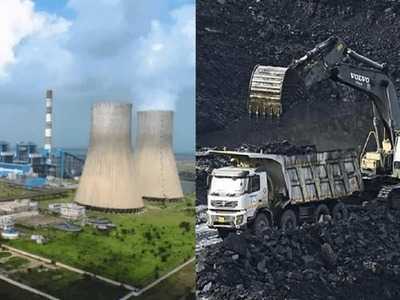 With supplies running alarmingly low, industry monitors and government ministries are keeping a close watch to prevent any widespread disruptions to the nation's power grid.Critical Coal Reserves Plunge Below Safe ThresholdsAs of September 2nd, the affected plants—boasting a combined generation capacity of approximately 224 gigawatts—held a total of 28.2 million tons of coal. This available inventory represents a mere 48 percent of the targeted 58.7 million tons mandated by safety guidelines.Based on an 85 percent plant load factor, current stockpiles are sufficient to sustain operations for only about nine days, a stark contrast to the standard backup buffer of at least 19 days. Regulatory standards classify any facility holding less than 25 percent of its prescribed reserves as critical, putting 45 domestic-reliant plants, four import-dependent units, and one coal-washing residue facility under intense scrutiny.Government Monitoring and Monsoon Mitigation StrategiesDespite the alarming inventory numbers, senior Coal Ministry officials have stepped forward to reassure the public, clarifying that the 'critical' designation is a standard part of routine daily monitoring carried out by an inter-ministerial team.Authorities emphasized that these facilities are receiving prioritized fuel supplies and are not in immediate danger of running dry. To safeguard energy generation through the remainder of the wet season, officials have instructed certain plants to postpone scheduled routine maintenance. With monsoon rains expected to subside starting in September, supply chains from mines and transportation networks are anticipated to stabilize normalcy across the sector.
Next Story