
Pakistan Faces Food Insecurity Amidst Climate Challenges and Water Crisis


Islamabad, October 4 (Daily Kiran) : Pakistan is grappling with severe food insecurity, driven by rising temperatures and diminishing water resources. A local report highlights that the country's agricultural sector needs urgent modernization to address these challenges. The effects of climate change are palpable. Pakistan contributes about one percent of global greenhouse gas emissions but remains highly vulnerable to global warming.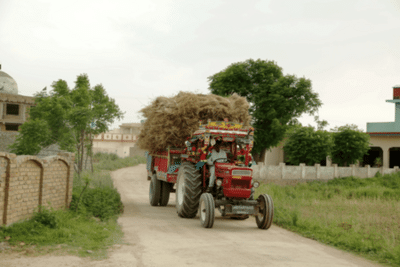 According to 'The Friday Times,' over 1.3 million hectares of farmland were inundated during the 2025 monsoon season, causing significant damage to crops like rice, cotton, and sugarcane. The agricultural sector faced losses estimated at $1.23 billion. Amna Ejaz Rafi, quoted in the report, noted that extreme heat in various regions has destabilized water resources. This instability, coupled with declining water levels, directly impacts crop yields, further aggravating food insecurity.With a population of approximately 240 million growing at a rate of 2.4 percent, the challenge of food security is becoming increasingly critical. By 2050, the population is projected to reach 300 million. To combat food insecurity, the report emphasizes the need for modernization in agriculture. In fiscal year 2025, Pakistan's food import bill reached around $8 billion, placing additional strain on the country's foreign exchange reserves. Water scarcity is already a pressing issue, necessitating the construction of new dams to store rainwater for use during winter months.Rural families are facing economic hardships due to floods and other extreme weather events. The 2025 floods alone resulted in the deaths of approximately 22,800 livestock, disrupting the livelihoods of rural communities and forcing many to flee their homes. In July, a severe water crisis emerged in Quetta, the capital of Balochistan province. Reports from the Pakistani daily 'The Express Tribune' indicated that groundwater levels had plummeted dangerously low, and the Water and Sanitation Agency (WASA) had severely restricted water supply in several residential areas.Residents from neighborhoods like Sariab, Sarki Road, and Jinnah Town have been struggling with a significant shortage of water. Elderly individuals, women, and young children have had to walk long distances to fetch water. Many homes in Quetta have not received piped water for the past six months, severely affecting daily life. Local residents have reported paying their WASA bills regularly, yet they continue to face water shortages, with only verbal assurances from authorities regarding the resolution of the issue.
Next Story