
Revised GRAP Introduces Major Changes for Air Quality Management


New Delhi, September 29 (Udaipur Kiran) : The revised Graded Response Action Plan (GRAP) aimed at tackling air pollution in Delhi-NCR has undergone significant changes, as announced by the Air Quality Management Commission (CAQM). Dr. S.D. Atri, a technical member of the commission, revealed that the updated schedule has been approved following a meeting, enabling the implementation of new directives that will be in effect throughout the year.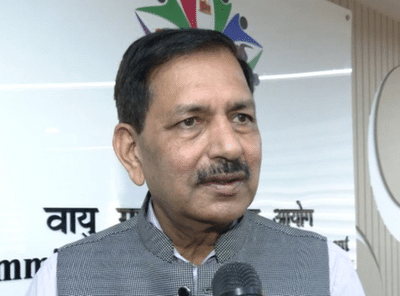 Previously, the GRAP schedule released in November 2025 was in place, which had also received approval from the Supreme Court. The schedule is reviewed annually through discussions with stakeholders and experts. This time, the sub-committee of the GRAP proposed changes that were subsequently approved by the commission. Two major modifications have been introduced in the revised GRAP. The first relates to inter-city buses, which were initially categorized under Stage-2 provisions.They have now been moved to Stage-1, reflecting their year-round operational relevance. Dr. Atri clarified that buses with emissions below the BS-6 standard are not permitted to enter Delhi, allowing only CNG, BS-6 diesel, and electric buses to operate. The second significant change pertains to diesel generator (DG) sets. Dr. Atri noted that there are approximately 76 directives regarding DG sets that are applicable throughout the year. These include regulations concerning generator capacity, dual-fuel kits, air pollution control devices, and rules for DG sets exceeding 800 kilowatts.Given that these provisions are consistently in effect, it was deemed unnecessary to implement them in different stages. Therefore, the revised GRAP mandates that DG set regulations will also be enforced from Stage-1. The CAQM member emphasized that while preparing the revised GRAP, measures related to various sectors, including transport and solid waste management, have been logically integrated. The aim is to establish better coordination between permanent pollution control measures and the phased provisions of the GRAP.
Next Story