
Surge in Measles Deaths in Bangladesh: 1,114 Children Lost


Dhaka, October 2 (Daily Kiran) : The measles outbreak in Bangladesh has intensified, leading to the deaths of four more children on Friday. This brings the total number of confirmed and suspected fatalities to 1,114 for the year. According to the Directorate General of Health Services (DGHS), these deaths were recorded within the last 24 hours. Local media outlet UNB reported that one of the fatalities was confirmed to be caused by measles, while the other three were classified as suspected cases.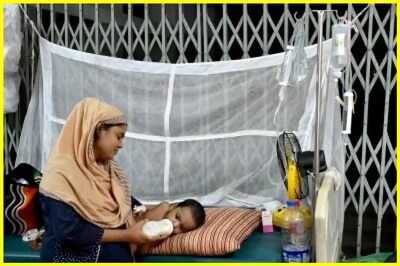 As of now, the number of confirmed deaths remains at 102, with suspected deaths rising to 1,012. In the same 24-hour period, the DGHS reported 1,221 new suspected cases of measles, increasing the total number of suspected cases in the country to 194,084. Additionally, 21 new confirmed cases were identified, bringing the total confirmed cases to 21,623. Health experts have attributed the recent surge in measles cases to lapses in prior vaccination efforts and issues in managing patients in hospitals.These include delays in identifying infected children and not isolating them promptly. Public health expert Mushtaq Hussain mentioned in an interview with The Daily Star that it typically takes three to four weeks for children to develop sufficient immunity after vaccination. Consequently, the current trend of infections, hospitalizations, and deaths may persist for at least another month. Recently, a prominent international organization labeled the measles outbreak in Bangladesh as one of the most severe public health crises in the nation's recent history.The organization expressed concern that measles is a preventable disease through vaccination. The Global Center for Democratic Governance (GCDG), based in Canada, released a report titled "Preventable Tragedy: Bangladesh 2026 Measles Outbreak." It stated that while the outbreak may seem sudden to the public, it was not unexpected from an epidemiological perspective. The report highlighted several factors contributing to this health crisis, including disruptions in vaccine supply and health programs during the interim government led by Muhammad Yunus in 2024-2025, missed routine vaccinations, cancellations of scheduled vaccination programs, administrative delays in vaccine procurement, and failure to timely identify high-risk individuals.
Next Story