
Vijay’s TVK Emerges on Top: DMK Faces Major Setback in Tamil Nadu

Tamil Nadu’s political landscape has witnessed a dramatic shift, with Vijay’s party, Tamilaga Vettri Kazhagam (TVK), emerging as the single largest force in the state.The development marks a significant moment not just for Vijay, but for Tamil Nadu politics as a whole.
For decades, the state’s political arena has largely been shaped by established players like the Dravida Munnetra Kazhagam and its rivals like All India Anna Dravida Munnetra Kazhagam (AIADMK). The rise of a relatively new party disrupting that structure points to a deeper shift in voter behaviour.The results suggest that Vijay’s transition from cinema to politics is beginning to translate into tangible political influence. While film stars entering politics is not new in Tamil Nadu, sustaining that influence has always depended on organisation, messaging, and voter trust.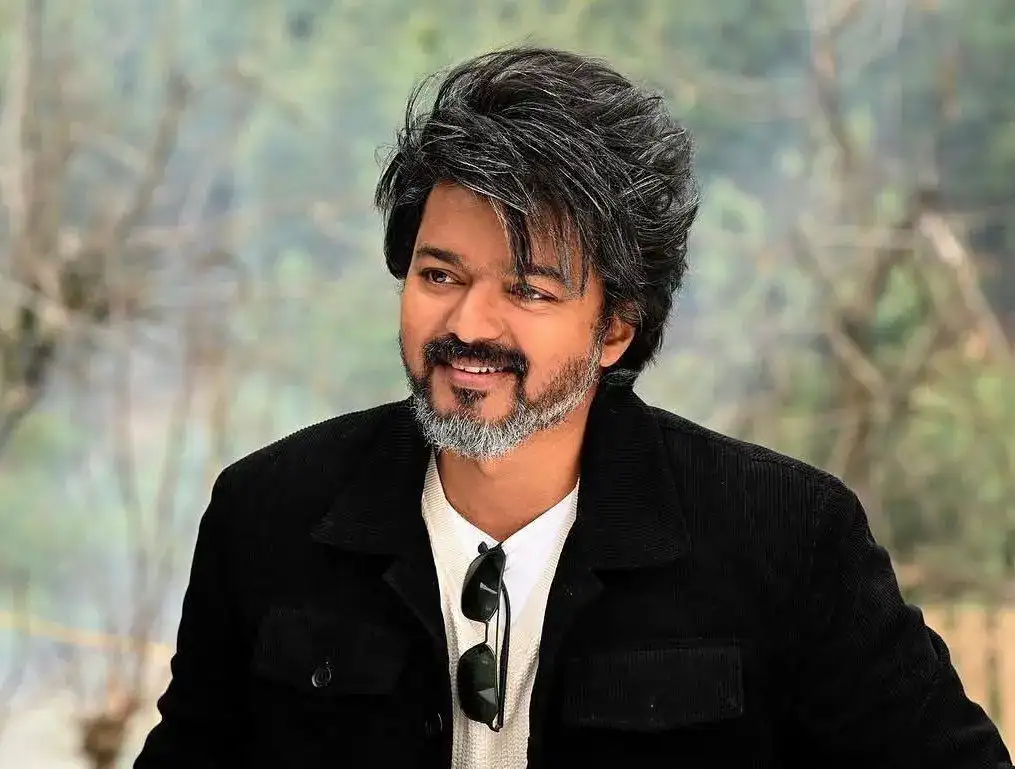
In this case, the scale of TVK’s performance indicates that the party has managed to connect with a wide section of voters. One of the key takeaways from this outcome is the changing expectations of the electorate.Voters appear to be more open to alternatives, especially when they feel existing political structures are not addressing their concerns effectively. This creates space for new entrants who can position themselves as agents of change.
At the same time, the setback for DMK (Dravida Munnetra Kazhagam) raises questions about the challenges faced by established parties. Political dominance, once taken for granted, is now being tested more directly. The need to adapt to evolving voter expectations has become more urgent.There is also a broader pattern emerging across Indian politics.
Regional dynamics are becoming more fluid, with new players gaining ground by leveraging strong public visibility and targeted messaging. In Tamil Nadu, Vijay’s popularity as a film star has clearly played a role, but the electoral outcome suggests that it has been complemented by organisational groundwork.However, being the single largest party is only the first step.
The real challenge lies in converting electoral success into governance. Building alliances, managing expectations, and delivering on promises will determine whether this moment becomes a lasting shift or a temporary surge.For Tamil Nadu, this development introduces a new phase of political competition.
It disrupts the predictability that has often defined the state’s elections and opens up possibilities for more dynamic contests in the future.In simple terms, this is not just a victory for one party.It is a signal that the political landscape is changing.
And as that change unfolds, both new and established players will need to redefine how they engage with voters in an increasingly competitive environment.
For decades, the state’s political arena has largely been shaped by established players like the Dravida Munnetra Kazhagam and its rivals like All India Anna Dravida Munnetra Kazhagam (AIADMK). The rise of a relatively new party disrupting that structure points to a deeper shift in voter behaviour.The results suggest that Vijay’s transition from cinema to politics is beginning to translate into tangible political influence. While film stars entering politics is not new in Tamil Nadu, sustaining that influence has always depended on organisation, messaging, and voter trust.
In this case, the scale of TVK’s performance indicates that the party has managed to connect with a wide section of voters. One of the key takeaways from this outcome is the changing expectations of the electorate.Voters appear to be more open to alternatives, especially when they feel existing political structures are not addressing their concerns effectively. This creates space for new entrants who can position themselves as agents of change.
At the same time, the setback for DMK (Dravida Munnetra Kazhagam) raises questions about the challenges faced by established parties. Political dominance, once taken for granted, is now being tested more directly. The need to adapt to evolving voter expectations has become more urgent.There is also a broader pattern emerging across Indian politics.
Regional dynamics are becoming more fluid, with new players gaining ground by leveraging strong public visibility and targeted messaging. In Tamil Nadu, Vijay’s popularity as a film star has clearly played a role, but the electoral outcome suggests that it has been complemented by organisational groundwork.However, being the single largest party is only the first step.
The real challenge lies in converting electoral success into governance. Building alliances, managing expectations, and delivering on promises will determine whether this moment becomes a lasting shift or a temporary surge.For Tamil Nadu, this development introduces a new phase of political competition.
It disrupts the predictability that has often defined the state’s elections and opens up possibilities for more dynamic contests in the future.In simple terms, this is not just a victory for one party.It is a signal that the political landscape is changing.
And as that change unfolds, both new and established players will need to redefine how they engage with voters in an increasingly competitive environment.
Next Story