
Why Is Honey the Only Food That Can Last for Years Without Spoiling?

Honey is one of the few foods known for its remarkable ability to remain edible for years when stored properly. Archaeologists have even found ancient honey in sealed containers that was still preserved. But honey is not simply 'magical' or completely immune to spoilage. Its unusual chemistry and low moisture content make it extremely difficult for most microorganisms to grow.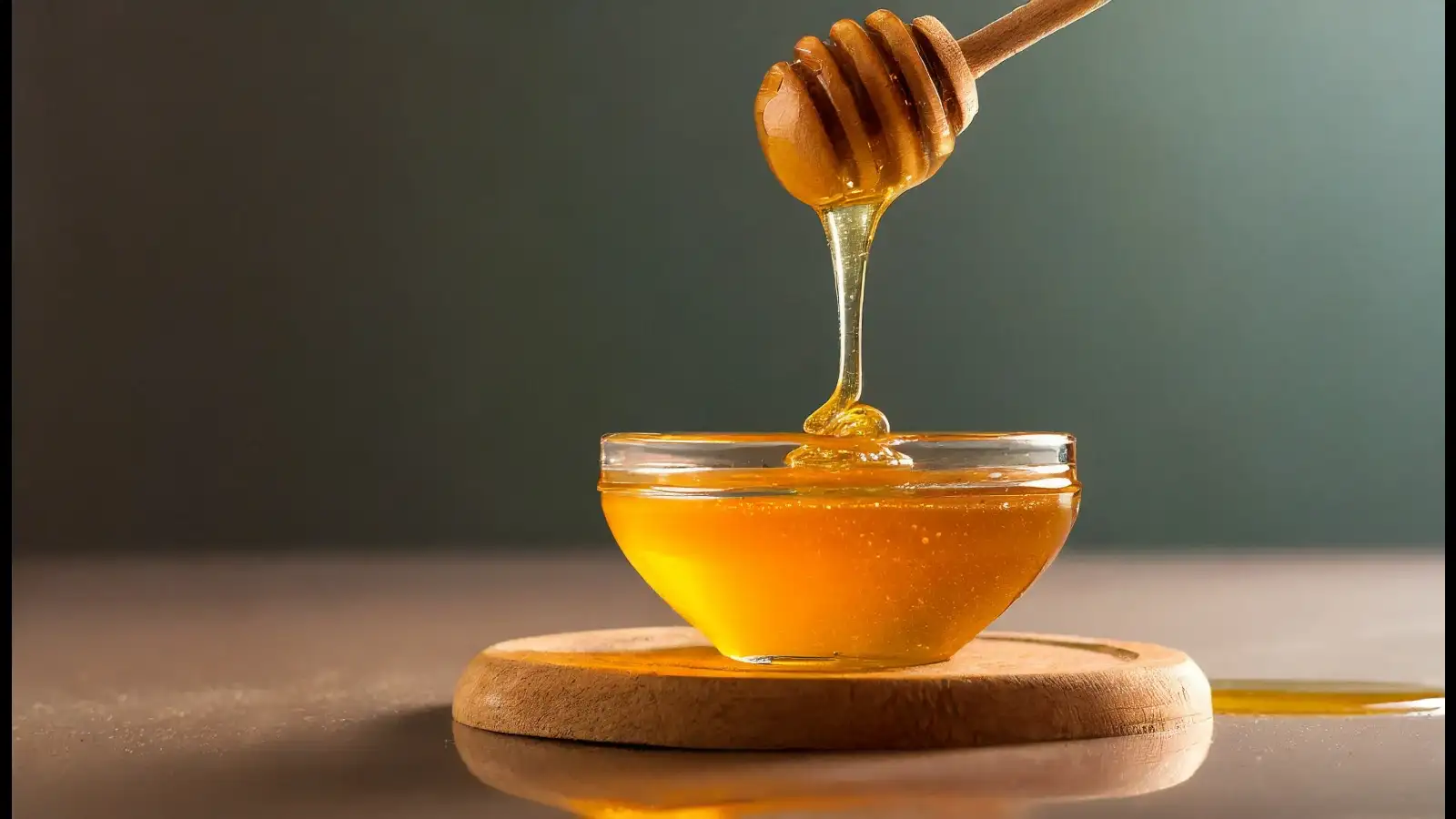
Microorganisms such as bacteria and many yeasts need available water to multiply. In properly stored honey, there is simply not enough usable water for most of them to thrive.
This makes honey very different from foods with high moisture content, which can provide an ideal environment for microbial growth.
Sugar also draws water away from microbial cells through a process called osmosis. This can prevent microorganisms from growing or cause them to lose water.
Together, honey's high sugar concentration and low water activity provide a powerful natural preservation effect.
The acidity comes from several naturally occurring compounds, including organic acids. One important example is gluconic acid, which forms through reactions involving enzymes naturally present in honey.
This acidic environment adds another layer of protection against microbial growth.
Bees transform nectar into honey through processes that involve enzymes. One enzyme, glucose oxidase, can contribute to the formation of small amounts of hydrogen peroxide when honey is diluted.
Hydrogen peroxide has antimicrobial properties. However, its presence and activity can vary depending on factors such as the honey's moisture content, acidity and storage conditions.
So, honey's impressive shelf life comes from several factors working together rather than from one single substance.
However, this does not mean honey can never spoil. Honey can absorb moisture from the surrounding air because it is hygroscopic. If water gets into the honey, its moisture content can rise enough to allow certain yeasts to grow.
This can eventually lead to fermentation, particularly in honey with a higher moisture content.
A cool, dry place away from excessive heat and direct sunlight is generally suitable. Keeping the container sealed also helps prevent honey from absorbing humidity from the air.
If water enters the jar or the honey is contaminated, its long-term stability can be affected.
Glucose can separate from the water in honey and form crystals, causing the honey to become thick, grainy or semi-solid. Different varieties crystallise at different rates depending on their sugar composition and other characteristics.
Crystallised honey can still be perfectly good to eat. If a liquid texture is preferred, the jar can be gently warmed, taking care not to overheat the honey.
Other foods can also remain preserved for long periods under suitable conditions. Salt and sugar, for example, have been used as preservation agents for centuries. Some properly dried foods can also have very long shelf lives.
What makes honey particularly remarkable is that it is a ready-to-eat food whose natural combination of low water activity, high sugar concentration, acidity and antimicrobial properties gives it exceptional resistance to spoilage.
Honey can remain remarkably stable when it is properly sealed and protected from moisture and contamination. Over time, however, its colour, flavour, texture and some of its chemical properties can change.
Therefore, ' honey never spoils ' is best understood as a shorthand for its unusually long shelf stability under appropriate storage conditions, rather than a guarantee that every jar of honey will remain unchanged forever.
Honey's extraordinary shelf life is the result of several natural protective factors working together. Its low water activity makes microbial growth difficult, its concentrated sugars create an unfriendly environment for microorganisms, and its acidity and naturally occurring compounds provide additional protection.
So, honey is not literally the only food that can last for years, nor is it completely immune to spoilage. But when properly produced and stored, it is certainly one of nature's most remarkable long-lasting foods.
Honey Contains Very Little Water
One of the biggest reasons honey lasts so long is its low water activity. Although honey contains some water, much of it is bound up by its high concentration of sugars.Microorganisms such as bacteria and many yeasts need available water to multiply. In properly stored honey, there is simply not enough usable water for most of them to thrive.
This makes honey very different from foods with high moisture content, which can provide an ideal environment for microbial growth.
Its High Sugar Content Helps Preserve It
Honey is naturally rich in sugars, mainly fructose and glucose. This high sugar concentration creates an environment that is difficult for many microorganisms to tolerate.Sugar also draws water away from microbial cells through a process called osmosis. This can prevent microorganisms from growing or cause them to lose water.
Together, honey's high sugar concentration and low water activity provide a powerful natural preservation effect.
Honey Is Naturally Acidic
Honey is also mildly acidic. Its pH is generally low enough to discourage the growth of many bacteria.The acidity comes from several naturally occurring compounds, including organic acids. One important example is gluconic acid, which forms through reactions involving enzymes naturally present in honey.
This acidic environment adds another layer of protection against microbial growth.
Bees Add More Than Just Nectar
Honey's preservation properties are also linked to what happens inside the beehive.Bees transform nectar into honey through processes that involve enzymes. One enzyme, glucose oxidase, can contribute to the formation of small amounts of hydrogen peroxide when honey is diluted.
Hydrogen peroxide has antimicrobial properties. However, its presence and activity can vary depending on factors such as the honey's moisture content, acidity and storage conditions.
So, honey's impressive shelf life comes from several factors working together rather than from one single substance.
Why Doesn't Honey Usually Develop Mould?
Most moulds also require suitable moisture to grow. Properly ripened honey has a low enough water activity to prevent most mould growth.However, this does not mean honey can never spoil. Honey can absorb moisture from the surrounding air because it is hygroscopic. If water gets into the honey, its moisture content can rise enough to allow certain yeasts to grow.
This can eventually lead to fermentation, particularly in honey with a higher moisture content.
Proper Storage Is Important
Honey can remain stable for a very long time when kept in a tightly closed container and protected from moisture.A cool, dry place away from excessive heat and direct sunlight is generally suitable. Keeping the container sealed also helps prevent honey from absorbing humidity from the air.
If water enters the jar or the honey is contaminated, its long-term stability can be affected.
What About Honey That Crystallises?
Crystallisation is often mistaken for spoilage, but it is a natural process.Glucose can separate from the water in honey and form crystals, causing the honey to become thick, grainy or semi-solid. Different varieties crystallise at different rates depending on their sugar composition and other characteristics.
Crystallised honey can still be perfectly good to eat. If a liquid texture is preferred, the jar can be gently warmed, taking care not to overheat the honey.
Is Honey Really the 'Only' Food That Never Spoils?
Not quite. The popular claim that honey is the only food that can last indefinitely is an oversimplification.Other foods can also remain preserved for long periods under suitable conditions. Salt and sugar, for example, have been used as preservation agents for centuries. Some properly dried foods can also have very long shelf lives.
What makes honey particularly remarkable is that it is a ready-to-eat food whose natural combination of low water activity, high sugar concentration, acidity and antimicrobial properties gives it exceptional resistance to spoilage.
The Ancient Honey Mystery Explained
Stories about archaeologists finding thousands-of-years-old honey often make it sound as though honey is completely immune to ageing. The reality is more nuanced.Honey can remain remarkably stable when it is properly sealed and protected from moisture and contamination. Over time, however, its colour, flavour, texture and some of its chemical properties can change.
Therefore, ' honey never spoils ' is best understood as a shorthand for its unusually long shelf stability under appropriate storage conditions, rather than a guarantee that every jar of honey will remain unchanged forever.
Honey's extraordinary shelf life is the result of several natural protective factors working together. Its low water activity makes microbial growth difficult, its concentrated sugars create an unfriendly environment for microorganisms, and its acidity and naturally occurring compounds provide additional protection.
So, honey is not literally the only food that can last for years, nor is it completely immune to spoilage. But when properly produced and stored, it is certainly one of nature's most remarkable long-lasting foods.






Loving Newspoint? Download the app now
