
Good Friday Explained Why A Day Of Suffering Is Called Good

At first glance, the name seems nearly contradictory. How can a day filled with death, suffering, crucifixion, and death be called “good”? Many people believe that Good Friday should be remembered with sadness rather than optimism, especially those who are not familiar with its significance. However, the definition of "good" is far more complex than it first seems.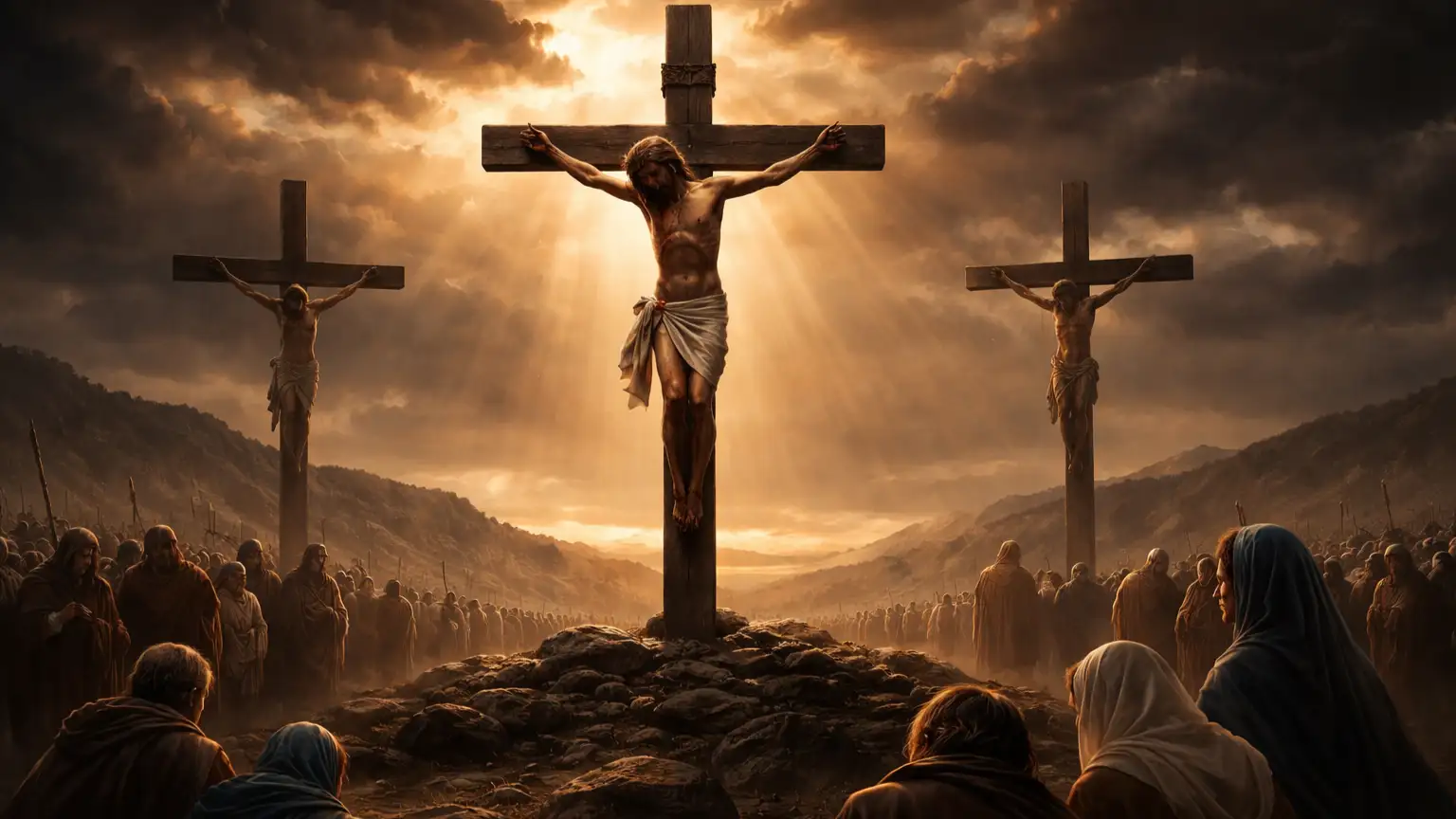
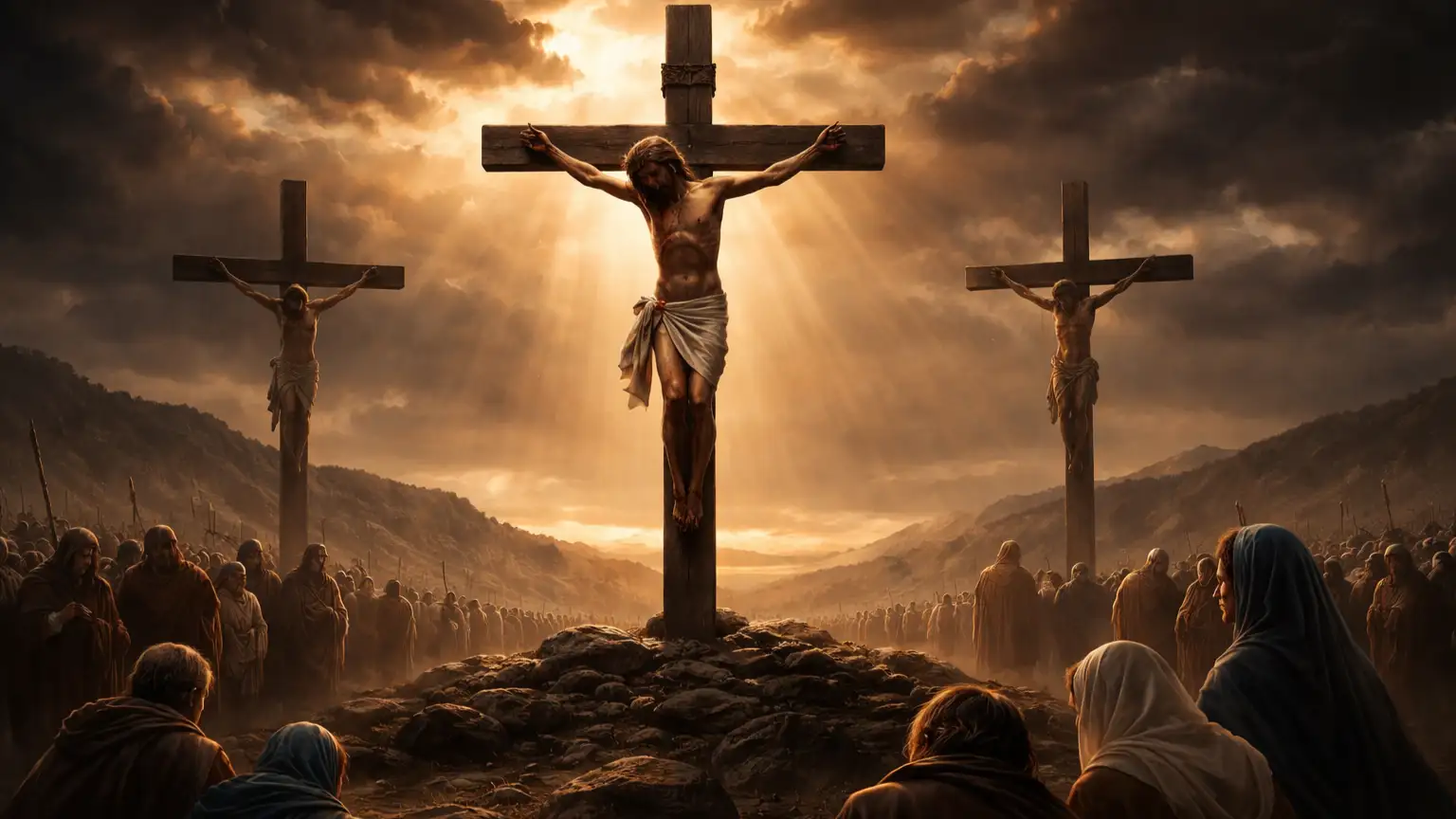
We must look deeper into the past to comprehend this. One of the most traumatic and important moments in Christian history, Jesus Christ 's crucifixion, is remembered on Good Friday. The Bible claims that Jesus was betrayed, taken into custody, and given a cruel death sentence by crucifixion. He suffered greatly on this day and finally lost his life. From a purely human perspective, this moment represents loss, grief, and injustice. However, it stands for something far bigger in Christian theology: hope, redemption, and sacrifice.
The term “good” in Good Friday is not used in the modern sense of happiness or pleasure. Rather, it is thought to have developed from an earlier interpretation of the word, in which "good" signified pious or holy. Some academics even speculate that it might have originated from the expression "God's Friday," which eventually evolved into "Good Friday."
However, what the day stands for has a deeper significance. Christians hold that Jesus Christ voluntarily gave his life in order to atone for humanity's sins. His passing was viewed as a turning point that paved the way for salvation and forgiveness rather than as the end. In this way, what initially appeared to be a tragic incident turned into an act of ultimate love and purpose.
For this reason, the day is referred to as "good." Because great hardship led to something deeply significant. This concept also contains a potent lesson. Good Friday tests our perceptions of suffering and adversity. It implies that not all pain is pointless. Sometimes, challenging times serve a higher purpose that isn't always immediately apparent.
The day is celebrated with prayer, fasting, and introspection all across the world. During special services held by churches, many individuals reflect on faith, forgiveness, and sacrifice. The mood is frequently solemn and silent, yet it has purpose.
The silence itself carries weight. So why is Good Friday referred to as "good"?
Because it stands for the notion that hope, meaning, and purpose may exist even in the most dire circumstances.
It serves as a reminder that occasionally a seemingly tragic situation can conceal something much more profound. And maybe that's what makes it "good."
We must look deeper into the past to comprehend this. One of the most traumatic and important moments in Christian history, Jesus Christ 's crucifixion, is remembered on Good Friday. The Bible claims that Jesus was betrayed, taken into custody, and given a cruel death sentence by crucifixion. He suffered greatly on this day and finally lost his life. From a purely human perspective, this moment represents loss, grief, and injustice. However, it stands for something far bigger in Christian theology: hope, redemption, and sacrifice.
The term “good” in Good Friday is not used in the modern sense of happiness or pleasure. Rather, it is thought to have developed from an earlier interpretation of the word, in which "good" signified pious or holy. Some academics even speculate that it might have originated from the expression "God's Friday," which eventually evolved into "Good Friday."
However, what the day stands for has a deeper significance. Christians hold that Jesus Christ voluntarily gave his life in order to atone for humanity's sins. His passing was viewed as a turning point that paved the way for salvation and forgiveness rather than as the end. In this way, what initially appeared to be a tragic incident turned into an act of ultimate love and purpose.
For this reason, the day is referred to as "good." Because great hardship led to something deeply significant. This concept also contains a potent lesson. Good Friday tests our perceptions of suffering and adversity. It implies that not all pain is pointless. Sometimes, challenging times serve a higher purpose that isn't always immediately apparent.
The day is celebrated with prayer, fasting, and introspection all across the world. During special services held by churches, many individuals reflect on faith, forgiveness, and sacrifice. The mood is frequently solemn and silent, yet it has purpose.
The silence itself carries weight. So why is Good Friday referred to as "good"?
Because it stands for the notion that hope, meaning, and purpose may exist even in the most dire circumstances.
It serves as a reminder that occasionally a seemingly tragic situation can conceal something much more profound. And maybe that's what makes it "good."
Next Story