
Word Of The Day: Alexithymia - Meaning, Usage And Examples

Have you ever met people who struggle to express their emotions? It’s not that they do not feel emotions, but they often struggle to express them or find it difficult to put those feelings into words. The experience can feel like knowing you are sad, frustrated or overwhelmed, yet being clearly unable to explain why. When asked about their feelings, they may simply respond with “I don’t know.” The emotions are there, but the exact words never seem to follow. This disconnection between emotions and expression is known as ‘ Alexithymia ’.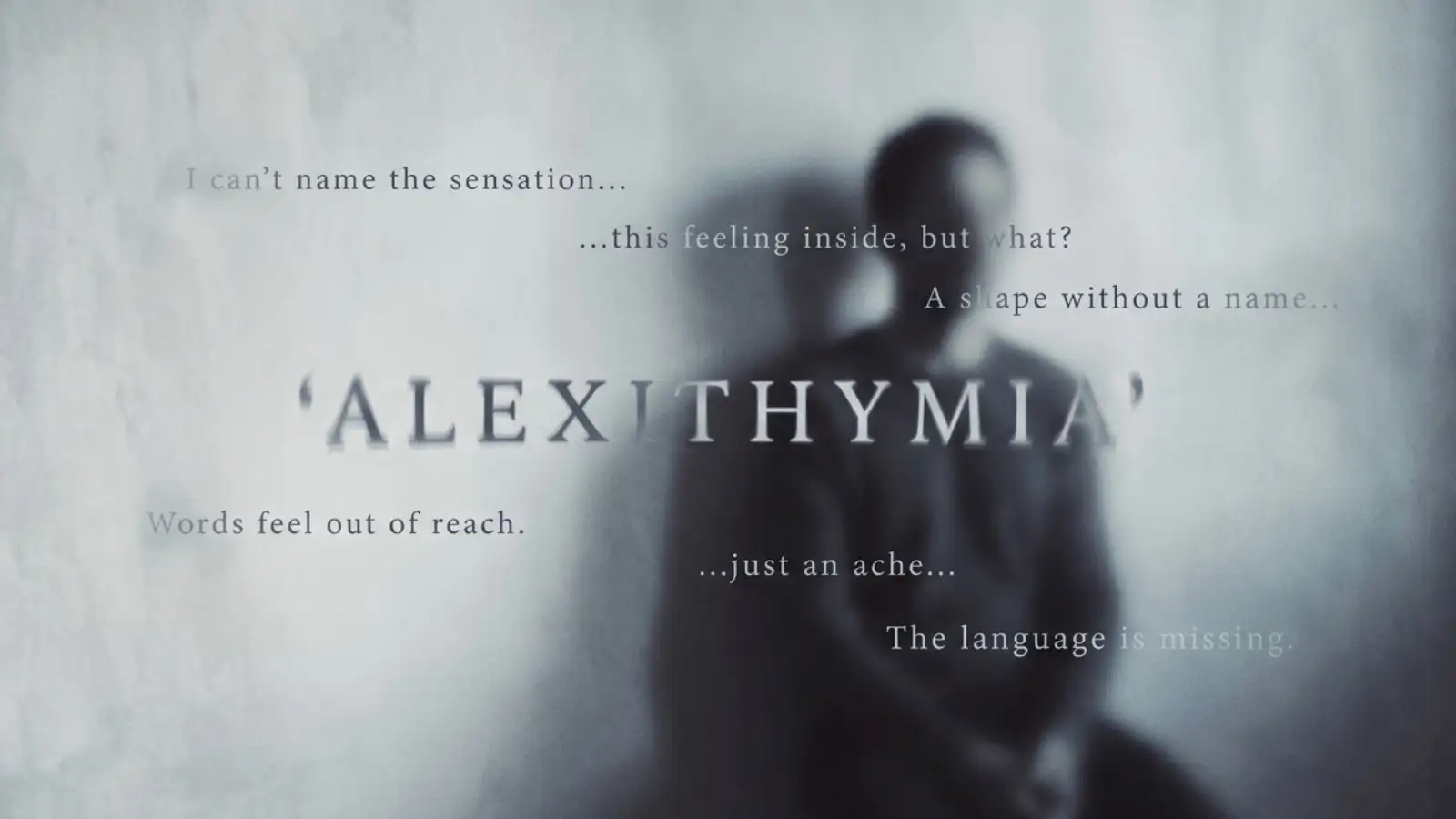
It is a noun that means “the inability to identify and express or describe one's feelings”. It is a psychological term used to describe individuals who are aware of their emotional arousal but struggle to verbalise it. This often creates a quiet disconnect between what is felt internally and what can be expressed outwardly. As a result, emotions may feel vague, confusing, or even overwhelming at times.
Origin
The word ‘Alexithymia’ comes from Greek roots, where ‘a’ means without, ‘lexis’ means word, and ‘thymos’ refers to emotion or feeling. When combined, the term translates to “without words for emotions.” It was coined by psychotherapists, John Case Nemiah and Peter Sifneos in the 1970s to describe patients who had difficulty identifying and expressing their feelings.
It is pronounced as uh-lek-suh-THY-mee-uh.
The phonetic spelling is /əˌlek.siˈθaɪ.mi.ə/.
Antonyms Of Alexithymia
This word should not be used for temporary moments of “feeling low”, as it is considered a psychological pattern or trait rather than a casual mood. It also cannot describe every moment involving confusion or silence. That is why it is important to use the term in the right context and avoid overusing it in everyday conversations. Additionally, do not assume alexithymia is always obvious. People experiencing it may appear completely normal outwardly while struggling internally to process emotions.
It is a noun that means “the inability to identify and express or describe one's feelings”. It is a psychological term used to describe individuals who are aware of their emotional arousal but struggle to verbalise it. This often creates a quiet disconnect between what is felt internally and what can be expressed outwardly. As a result, emotions may feel vague, confusing, or even overwhelming at times.
Origin
The word ‘Alexithymia’ comes from Greek roots, where ‘a’ means without, ‘lexis’ means word, and ‘thymos’ refers to emotion or feeling. When combined, the term translates to “without words for emotions.” It was coined by psychotherapists, John Case Nemiah and Peter Sifneos in the 1970s to describe patients who had difficulty identifying and expressing their feelings.Pronunciation Of Alexithymia
It is pronounced as uh-lek-suh-THY-mee-uh.
The phonetic spelling is /əˌlek.siˈθaɪ.mi.ə/.
Synonyms Of Alexithymia
- Emotional unawareness
- Emotional blindness
- Emotional numbness
- Affective unawareness
- Difficulty identifying emotions
Antonyms Of Alexithymia
- Emotional awareness
- Emotional intelligence
- Emotional clarity
- Expressiveness
- Self-awareness
How Can You Use ' Alexithymia' In A Sentence
- He struggled with alexithymia and often found it hard to put his feelings into words.
- Alexithymia can make even simple emotional conversations feel overwhelming.
- Her silence wasn’t indifference but a sign of alexithymia.
- People with alexithymia may feel emotions deeply but cannot easily identify them.
- Understanding alexithymia can help us be more patient with others.
Avoid These Mistakes
While using this word, avoid confusing it with being “uncaring” because alexithymia does not mean a lack of emotions. It refers to difficulty in understanding, identifying or expressing emotions. Also, avoid using this term for people who are simply quiet or reserved by choice. Alexithymia is more about emotional difficulty, not personal preference.This word should not be used for temporary moments of “feeling low”, as it is considered a psychological pattern or trait rather than a casual mood. It also cannot describe every moment involving confusion or silence. That is why it is important to use the term in the right context and avoid overusing it in everyday conversations. Additionally, do not assume alexithymia is always obvious. People experiencing it may appear completely normal outwardly while struggling internally to process emotions.
Next Story