
A Ukrainian waitress was gifted a £650,000 house from an elderly man she befriended at a cafe; his relatives went to court to get it back


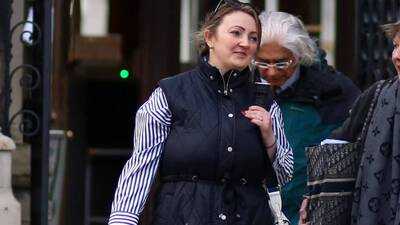
A Ukrainian waitress who was gifted a £650,000 house by an elderly man she befriended at a London cafe has lost her legal battle to keep the property after his relatives challenged the transfer. Mariia Romanyshyn developed a close relationship with Richard Joy , an unmarried pensioner who had lived in his family home in Harrow for decades. She said he regarded her family as his adopted relatives and voluntarily handed her the property deeds before his death. However, his cousin disputed whether Joy had understood the decision, leading to a court dispute over the house and his estate.
How did a cafe friendship lead to a £650,000 house
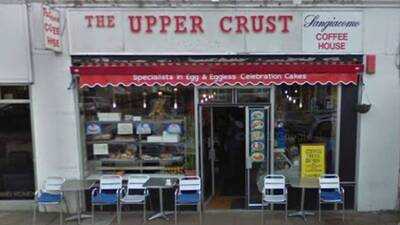
According to The Independent, Romanyshyn met Joy in 2011 while working part-time at the Upper Crust cafe in Harrow, where he was a regular customer who reportedly visited around three times a week.
Joy, who died in May 2018 aged 82, had spent his entire life in the Hillside Gardens property in Kenton. He never married or had children and was described by relatives as a recluse . His interests included history, rare coins, medals and military memorabilia, while he also spent considerable time at his local library.
The relationship between the pensioner and the waitress gradually developed beyond their encounters at the cafe. Romanyshyn said she began helping him with shopping and household tasks after he spent time in hospital. The assistance became more regular, and Joy eventually encouraged her, her husband Vasyl and their daughters to move into his home.
Romanyshyn described the household as Joy's adopted family, with her treating him like an uncle and her daughter regarding him as a grandfather figure.
The 2016 property transfer became the centre of the dispute
Romanyshyn claimed Joy decided to give her the house in spring 2016, less than 2 years before his death. She told the court that he handed her the property deeds and said that he wanted her to keep the house.
She said the gift reflected the affection and trust that had developed between them. The waitress also explained that moving into Joy's property meant abandoning her family's previous plans to leave London and purchase a home elsewhere.
The Independent reported that her barrister, Lynne Counsell, argued the relationship had evolved into a familial bond and that the family had helped Joy without receiving payment for their assistance.
Counsell also maintained that Joy remained mentally capable of making important decisions. She pointed to his ability to play chess with Romanyshyn's daughter, follow television programmes such as Sherlock and travel independently.
Why did Joy's relatives challenge the gift
The property dispute began after Joy's death, when his relatives sought to enforce a will drawn up in November 2011. Under that document, the bulk of his estate, including the house, was intended to be divided between his cousin Martin Larney, Larney's mother Doreen and a former friend.
Martin Larney, who was also the executor of Joy's estate, challenged the 2016 transfer, arguing that the pensioner lacked the mental capacity to understand the implications of gifting such a valuable property.
According to The Evening Standard, Larney's barrister Andrew Nicklin told Central London County Court that Joy was vulnerable, had apparent cognitive impairment and depended on Romanyshyn for everyday necessities.
The legal challenge also raised questions about the extent of Romanyshyn's involvement in Joy's daily life. The barrister argued that she occupied a position of influence over the pensioner, making it particularly important to establish whether he understood the transaction.
The court heard that by 2016, Romanyshyn's family occupied much of the property, while Joy reportedly lived in one room. The Independent also reported allegations that she had become responsible for his bank account and finances.
What did Joy's relatives say about his financial decisions
During the hearing, Doreen Larney described her cousin as someone who had difficulty managing money. The Evening Standard reported that she recalled Joy's father, a bank manager, attempting to leave him money in trust because he spent it quickly.
She told the court that he could spend thousands of pounds on a gold coin and then have little money remaining. Doreen also said that she and her husband had previously tried to maintain contact with Joy but had lost touch after 2012, when their letters and telephone calls went unanswered.
The family maintained that the house should form part of Joy's estate rather than remain with Romanyshyn. His cousin's challenge sought to overturn the property gift so that the inheritance could be distributed according to the earlier will.
Romanyshyn disputed the suggestion that Joy was mentally incapable of making the decision. Her legal team argued that the medical records did not establish dementia and that his everyday activities demonstrated his continued independence.
The court settlement returned the house to Joy's estate
The dispute was heard over a week at Central London County Court in March 2025. After negotiations, the parties agreed to settle the case, with Romanyshyn withdrawing her claim to ownership of the property.
The Independent reported that Judge Simon Monty KC was satisfied that Joy's last valid will was the document dated 26 November 2011. The court consequently dismissed Romanyshyn's counterclaim, which had sought recognition of the 2016 deed of gift.
The ruling meant the house would be dealt with as part of Joy's estate under the earlier will, rather than transferred to Romanyshyn through the disputed gift. The bulk of the estate was therefore to be distributed among the beneficiaries named in the will.
The Evening Standard reported that Joy's military collection had been left to the Imperial War Museum, while some of his coins were sold to cover funeral expenses.
Romanyshyn still insists on staying in the house
Despite losing her legal claim, Romanyshyn said she did not intend to leave the property. In an interview reported by The Evening Standard, she maintained that the house had been given to her because that was what Joy wanted.
She said witnesses could confirm that the transfer had taken place as he intended and argued that his relatives had shown little interest in him while he was alive. She maintained that the pensioner had not regularly received visits from his relatives during the years she knew him.
How did a cafe friendship lead to a £650,000 house
According to The Independent, Romanyshyn met Joy in 2011 while working part-time at the Upper Crust cafe in Harrow, where he was a regular customer who reportedly visited around three times a week.
Joy, who died in May 2018 aged 82, had spent his entire life in the Hillside Gardens property in Kenton. He never married or had children and was described by relatives as a recluse . His interests included history, rare coins, medals and military memorabilia, while he also spent considerable time at his local library.
The relationship between the pensioner and the waitress gradually developed beyond their encounters at the cafe. Romanyshyn said she began helping him with shopping and household tasks after he spent time in hospital. The assistance became more regular, and Joy eventually encouraged her, her husband Vasyl and their daughters to move into his home.
Romanyshyn described the household as Joy's adopted family, with her treating him like an uncle and her daughter regarding him as a grandfather figure.
The 2016 property transfer became the centre of the dispute
Romanyshyn claimed Joy decided to give her the house in spring 2016, less than 2 years before his death. She told the court that he handed her the property deeds and said that he wanted her to keep the house.
She said the gift reflected the affection and trust that had developed between them. The waitress also explained that moving into Joy's property meant abandoning her family's previous plans to leave London and purchase a home elsewhere.
The Independent reported that her barrister, Lynne Counsell, argued the relationship had evolved into a familial bond and that the family had helped Joy without receiving payment for their assistance.
Counsell also maintained that Joy remained mentally capable of making important decisions. She pointed to his ability to play chess with Romanyshyn's daughter, follow television programmes such as Sherlock and travel independently.
Why did Joy's relatives challenge the gift
The property dispute began after Joy's death, when his relatives sought to enforce a will drawn up in November 2011. Under that document, the bulk of his estate, including the house, was intended to be divided between his cousin Martin Larney, Larney's mother Doreen and a former friend.
Martin Larney, who was also the executor of Joy's estate, challenged the 2016 transfer, arguing that the pensioner lacked the mental capacity to understand the implications of gifting such a valuable property.
According to The Evening Standard, Larney's barrister Andrew Nicklin told Central London County Court that Joy was vulnerable, had apparent cognitive impairment and depended on Romanyshyn for everyday necessities.
The legal challenge also raised questions about the extent of Romanyshyn's involvement in Joy's daily life. The barrister argued that she occupied a position of influence over the pensioner, making it particularly important to establish whether he understood the transaction.
The court heard that by 2016, Romanyshyn's family occupied much of the property, while Joy reportedly lived in one room. The Independent also reported allegations that she had become responsible for his bank account and finances.
What did Joy's relatives say about his financial decisions
During the hearing, Doreen Larney described her cousin as someone who had difficulty managing money. The Evening Standard reported that she recalled Joy's father, a bank manager, attempting to leave him money in trust because he spent it quickly.
She told the court that he could spend thousands of pounds on a gold coin and then have little money remaining. Doreen also said that she and her husband had previously tried to maintain contact with Joy but had lost touch after 2012, when their letters and telephone calls went unanswered.
The family maintained that the house should form part of Joy's estate rather than remain with Romanyshyn. His cousin's challenge sought to overturn the property gift so that the inheritance could be distributed according to the earlier will.
Romanyshyn disputed the suggestion that Joy was mentally incapable of making the decision. Her legal team argued that the medical records did not establish dementia and that his everyday activities demonstrated his continued independence.
The court settlement returned the house to Joy's estate
The dispute was heard over a week at Central London County Court in March 2025. After negotiations, the parties agreed to settle the case, with Romanyshyn withdrawing her claim to ownership of the property.
The Independent reported that Judge Simon Monty KC was satisfied that Joy's last valid will was the document dated 26 November 2011. The court consequently dismissed Romanyshyn's counterclaim, which had sought recognition of the 2016 deed of gift.
The ruling meant the house would be dealt with as part of Joy's estate under the earlier will, rather than transferred to Romanyshyn through the disputed gift. The bulk of the estate was therefore to be distributed among the beneficiaries named in the will.
The Evening Standard reported that Joy's military collection had been left to the Imperial War Museum, while some of his coins were sold to cover funeral expenses.
Romanyshyn still insists on staying in the house
Despite losing her legal claim, Romanyshyn said she did not intend to leave the property. In an interview reported by The Evening Standard, she maintained that the house had been given to her because that was what Joy wanted.
She said witnesses could confirm that the transfer had taken place as he intended and argued that his relatives had shown little interest in him while he was alive. She maintained that the pensioner had not regularly received visits from his relatives during the years she knew him.
Next Story