
A US dairy farm turned manure from 11,000 cows into renewable fuel for its milk trucks, producing 865 million BTUs of gas daily and saving more than 1.5 million gallons of diesel every year


Fair Oaks Farms produced more than milk from its herd of 11,000 dairy cows. Its anaerobic digester processed waste from the dairy operation and generated approximately 865 million British thermal units (BTUs) of renewable natural gas each day. The main waste product used in the project was animal manure.
According to the US Department of Agriculture ( USDA ), the gas produced by the digester was converted into renewable compressed natural gas ( CNG ). This gave the farm a source of transportation fuel made from waste generated by its own dairy operations. The digester generated this renewable natural gas as part of the farm’s waste-to-energy project.
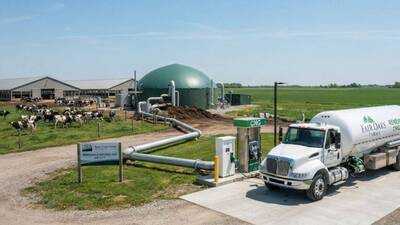
How did Fair Oaks Farms turn cow manure into fuel for its trucks
Fair Oaks Farms used waste from its herd of 11,000 dairy cows to produce renewable fuel alongside milk. Its anaerobic digester broke down waste from the dairy operation, mainly cow manure, to generate around 865 million British thermal units (BTUs) of renewable natural gas every day as of 2019. The gas was then processed into renewable compressed natural gas (CNG), which could be used as vehicle fuel.
This allowed the farm to turn manure produced by its own dairy operations into a source of energy for transportation. The waste-to-energy project also helped meet the fuel requirements of the farm’s milk transport trucks, which carried milk to processing plants. It connected the farm's waste management system with its transportation needs.
What equipment helped turn dairy waste into vehicle fuel
The project required machinery and equipment to turn methane gas from the dairy’s digester into renewable compressed natural gas. The equipment removed carbon dioxide from the biogas, so it could be used as a transportation fuel. A fueling station was also installed as part of the work.
It had facilities for gas drying, compressing, and dispensing. These steps prepared the gas for use by the farm’s trucks. The CNG generated from animal manure was used to power Fair Oaks Farms’ fleet of big rigs.
The trucks hauled milk from the farm to processing plants in Indianapolis, as well as Murphysboro, Tennessee, and Winchester, Kentucky. The station provided a place to dispense the processed gas as fuel for the farm’s trucks.
USDA-backed loan helped fund the project
The project received financial backing through the USDA’s Business and Industry Loan Guarantee Program. In fiscal year 2013, the agency backed a $5.5 million loan to Renewable Dairy Fuels, an affiliate of Fair Oaks Farms. The financing was used to purchase the machinery and equipment needed to convert methane gas from the dairy’s digester into renewable CNG.
It also covered the installation of a fueling station with gas-drying, compressing, and dispensing operations. The USDA listed the project’s obligation years as 2012 and 2013. The loan guarantee supported the development of the system that allowed the farm to use its waste as truck fuel. The loan supported machinery purchases and the fueling station installation.
Renewable CNG helped save 1.5 million gallons of diesel
The waste-to-energy project saved more than 1.5 million gallons of diesel fuel each year as of 2019. The project also trimmed the company’s fuel costs and carbon emissions significantly. The CNG produced from the dairy’s main waste product powered the big rigs that carried milk to processing plants. Their destinations included Indianapolis, Murphysboro, Tennessee, and Winchester, Kentucky.
The project was developed to address the high costs of fossil fuels used to transport the farm’s products while reducing the operation’s carbon footprint. By turning methane from manure into a transport fuel, Fair Oaks Farms used the output of its dairy operation to support its milk-delivery fleet.
According to the US Department of Agriculture ( USDA ), the gas produced by the digester was converted into renewable compressed natural gas ( CNG ). This gave the farm a source of transportation fuel made from waste generated by its own dairy operations. The digester generated this renewable natural gas as part of the farm’s waste-to-energy project.
How did Fair Oaks Farms turn cow manure into fuel for its trucks
Fair Oaks Farms used waste from its herd of 11,000 dairy cows to produce renewable fuel alongside milk. Its anaerobic digester broke down waste from the dairy operation, mainly cow manure, to generate around 865 million British thermal units (BTUs) of renewable natural gas every day as of 2019. The gas was then processed into renewable compressed natural gas (CNG), which could be used as vehicle fuel.
This allowed the farm to turn manure produced by its own dairy operations into a source of energy for transportation. The waste-to-energy project also helped meet the fuel requirements of the farm’s milk transport trucks, which carried milk to processing plants. It connected the farm's waste management system with its transportation needs.
What equipment helped turn dairy waste into vehicle fuel
It had facilities for gas drying, compressing, and dispensing. These steps prepared the gas for use by the farm’s trucks. The CNG generated from animal manure was used to power Fair Oaks Farms’ fleet of big rigs.
The trucks hauled milk from the farm to processing plants in Indianapolis, as well as Murphysboro, Tennessee, and Winchester, Kentucky. The station provided a place to dispense the processed gas as fuel for the farm’s trucks.
USDA-backed loan helped fund the project
The project received financial backing through the USDA’s Business and Industry Loan Guarantee Program. In fiscal year 2013, the agency backed a $5.5 million loan to Renewable Dairy Fuels, an affiliate of Fair Oaks Farms. The financing was used to purchase the machinery and equipment needed to convert methane gas from the dairy’s digester into renewable CNG.
It also covered the installation of a fueling station with gas-drying, compressing, and dispensing operations. The USDA listed the project’s obligation years as 2012 and 2013. The loan guarantee supported the development of the system that allowed the farm to use its waste as truck fuel. The loan supported machinery purchases and the fueling station installation.
Renewable CNG helped save 1.5 million gallons of diesel
The waste-to-energy project saved more than 1.5 million gallons of diesel fuel each year as of 2019. The project also trimmed the company’s fuel costs and carbon emissions significantly. The CNG produced from the dairy’s main waste product powered the big rigs that carried milk to processing plants. Their destinations included Indianapolis, Murphysboro, Tennessee, and Winchester, Kentucky.
The project was developed to address the high costs of fossil fuels used to transport the farm’s products while reducing the operation’s carbon footprint. By turning methane from manure into a transport fuel, Fair Oaks Farms used the output of its dairy operation to support its milk-delivery fleet.
Next Story