
Archaeologists found two young horses buried beside a Bronze Age tomb in Germany; the 3,000-year-old ritual may reveal an ancient sacrifice


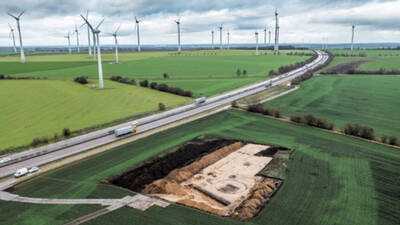
Archaeologists excavating near Nauendorf in Saxony-Anhalt, Germany, have uncovered the remains of two very young horses deliberately buried beside a Late Bronze Age burial mound, offering rare evidence of ritual animal sacrifice more than 3,000 years ago. The discovery was made during archaeological investigations ahead of construction of the SuedOstLink electricity transmission line, which exposed a prehistoric landscape containing settlements, graves and other features. At the centre of the find were the remains of a burial mound dating to the beginning of the Late Bronze Age, although the mound itself had long since disappeared beneath the flat landscape. Archaeologists identified its former outline from a circular ditch and found two stone-lined human graves inside the enclosure itself. They then unexpectedly discovered a horse buried in the ditch, followed 11 metres northeast by a second horse placed in the same orientation as the human graves. Both animals were foals only about five to nine months old when they were deliberately deposited.
Next Story