
Donald Trump’s H-1B Visa Changes: What It Means for Indian Workers

President Donald Trump has introduced major changes to the H-1B visa program , which allows skilled foreign workers, especially from India, to work in the U.S. These new rules, announced on August 5, 2025, focus on giving visas to workers with higher salaries and advanced skills. While the goal is to prioritize American workers and attract top talent, these changes could make it harder for many Indian professionals to get H-1B visas.
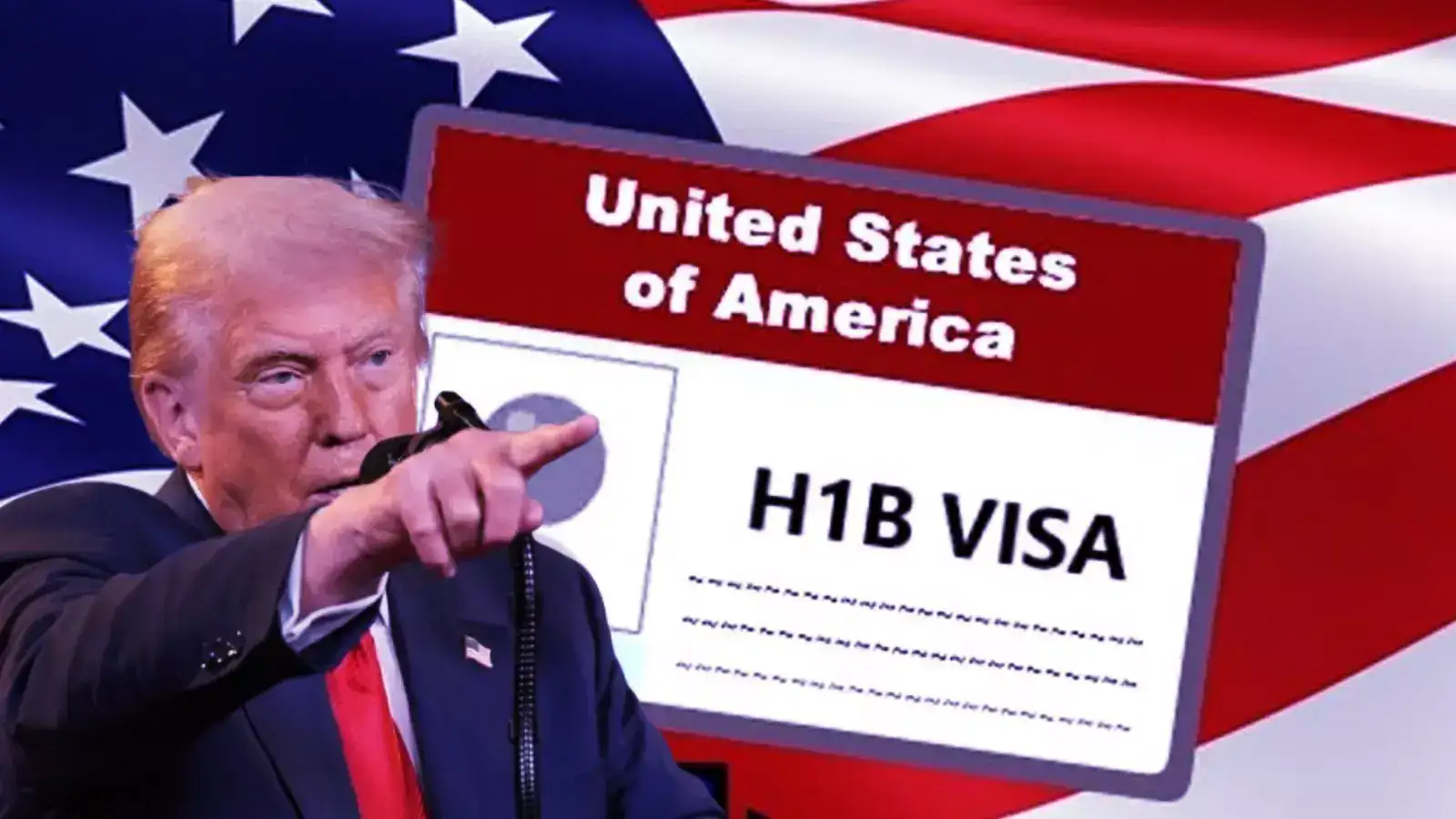
What is the H-1B Visa?
The H-1B visa is a special work permit that lets U.S. companies hire skilled workers from other countries for jobs in fields like technology, engineering, and medicine. Every year, the U.S. gives out 85,000 H-1B visas, and a large number of these go to Indian professionals working in tech companies like Amazon, Google, and Microsoft. In 2023, over 72% of H-1B visas were granted to Indians, especially in STEM (Science, Technology, Engineering, and Math) fields.What Are the New Changes?
The Trump administration has made the following changes to the H-1B visa program:- Higher Salary Requirements: Companies must now pay H-1B workers higher wages. The minimum salary for these jobs has been increased, with some reports suggesting it could rise from $60,000 to as high as $120,000 per year. This means only highly paid jobs will qualify for H-1B visas.
- Stricter Job Definitions: The rules for what counts as a “specialty occupation” (jobs requiring specific skills or degrees) have been tightened. Only certain high-skill roles will now qualify for the visa.
- Fewer Visas Available: For 2026, only 120,141 H-1B visa applications were selected out of 343,981, the lowest number since 2021. This is a 27% drop from the previous year, partly due to higher application fees and stricter rules.
- More Scrutiny: Visa applications will face tougher checks, and there’s a chance of more rejections, especially for mid-level jobs.
Why These Changes?
The Trump administration says these changes will protect American workers by ensuring companies hire them first for lower and mid-level jobs. Some supporters, like Steve Bannon and Laura Loomer, argue that H-1B visas take jobs away from Americans by allowing companies to hire foreign workers at lower wages. However, others, like tech leaders Elon Musk and Vivek Ramaswamy, support the H-1B program, saying it brings in top talent that helps U.S. companies innovate and grow.How Does This Affect Indian Workers?
These changes could create challenges for Indian professionals:- Fewer Job Opportunities: With higher salary requirements, many mid-level tech jobs may no longer qualify for H-1B visas. This could make it harder for Indian workers to find jobs in the U.S.
- Higher Costs for Companies: U.S. companies may hesitate to sponsor H-1B visas because of the increased salary costs and stricter rules. Some Indian workers have already reported job offers being canceled due to these concerns.
- Visa Rejections: The stricter rules and tougher checks could lead to more H-1B visa applications being rejected, leaving Indian workers uncertain about their future.
- Impact on Families: Indian professionals on H-1B visas often bring their families to the U.S. on H-4 visas. Changes like the possible removal of work permits for H-4 spouses could create financial difficulties for these families.
Real-Life Impact
Many Indian workers are worried. For example, a software engineer from Hyderabad had a job offer from a U.S. tech company canceled because the company was unsure about sponsoring an H-1B visa under the new rules. Another data analyst from Telangana, who recently got a job, is now anxious about whether her visa will be approved. These stories show how the changes are causing stress and uncertainty for Indian professionals dreaming of working in the U.S.What’s Next?
The new H-1B rules are already in place, and more changes might come as Trump’s administration continues. Some experts suggest that Indian workers may start looking at other countries, like Canada or Australia, for job opportunities due to these strict U.S. policies. Meanwhile, Indian companies in the U.S. are hiring more local American workers to avoid visa issues, which could affect their costs and operations.Next Story