
Donald Trump's Reciprocal Tariffs: Which Countries Face the Biggest Blow and Who Gets a Pass?

US President Donald Trump has introduced sweeping new tariffs, imposing a universal 10% tax on all imports, with additional levies of up to 50% based on trade imbalances. The move, enacted under the 1977 International Emergency Economic Powers Act , is aimed at reducing trade deficits and bolstering domestic manufacturing. However, critics warn of economic instability and the risk of a global trade war.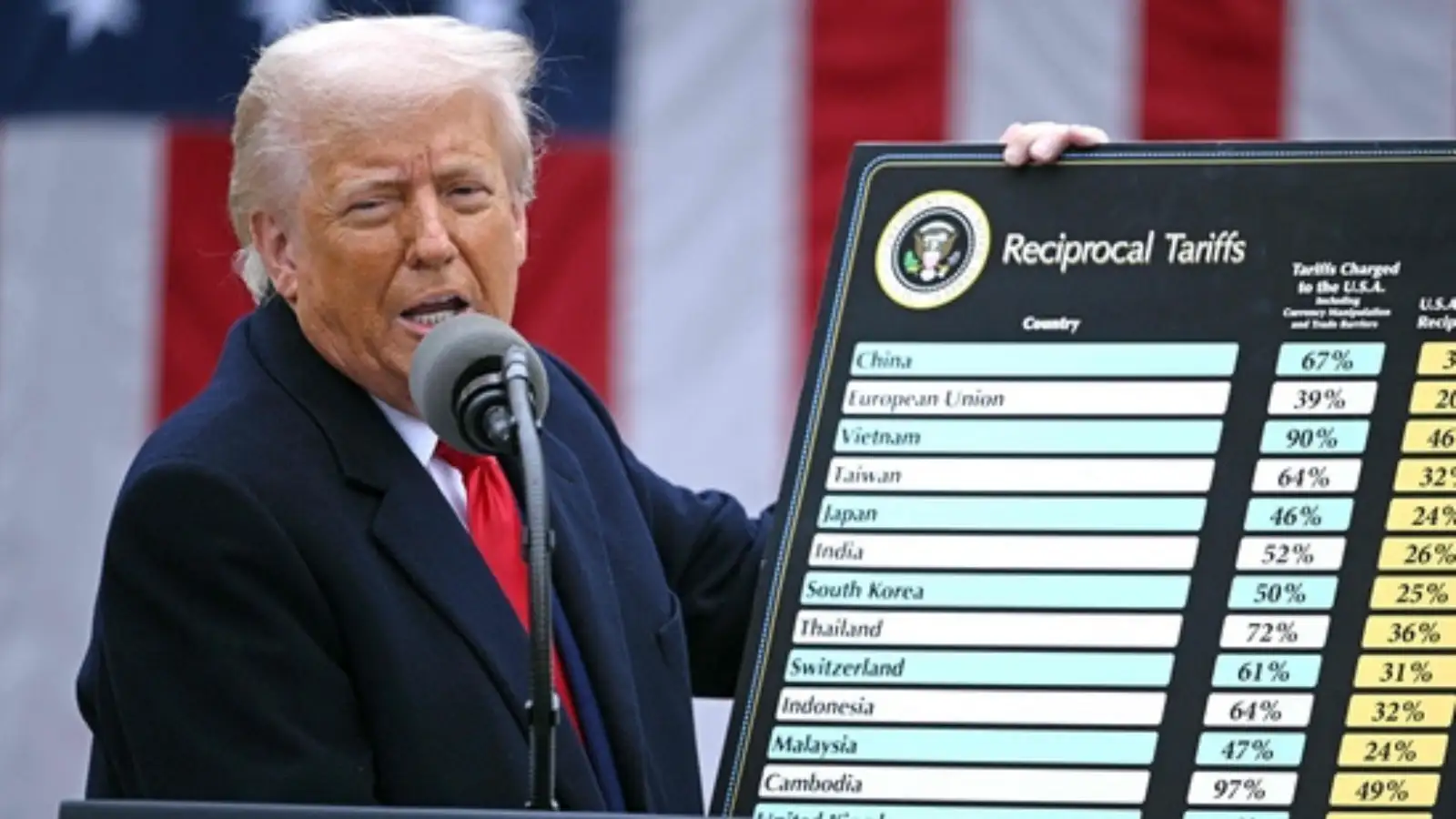
Many of these countries are major exporters of textiles, footwear, and electronics to the US. The steep tariffs could severely disrupt their industries, impact global supply chains, and lead to higher prices for American consumers.
The relatively lower tariffs suggest that these countries are viewed as fairer trading partners by the Trump administration. However, businesses in these nations remain wary of escalating trade tensions.
Critics argue that tariffs act as a hidden tax on consumers, driving up prices and squeezing businesses. Economists predict inflationary pressures, with some forecasting a 1% contraction in the US economy in the second quarter due to rising costs and supply chain disruptions.
In response, some affected nations, including Israel and Vietnam, have lowered tariffs on US imports in an effort to ease tensions. Meanwhile, the European Union is considering restrictions on US tech firms as a countermeasure.
Trump’s aggressive ‘America First’ trade policies are shaking up global commerce, leaving businesses and governments on edge. With countries contemplating retaliatory actions, the risk of a full-blown trade war looms large. The coming months will be crucial in determining how the global economy navigates this shifting landscape.
Countries Facing the Highest Tariffs
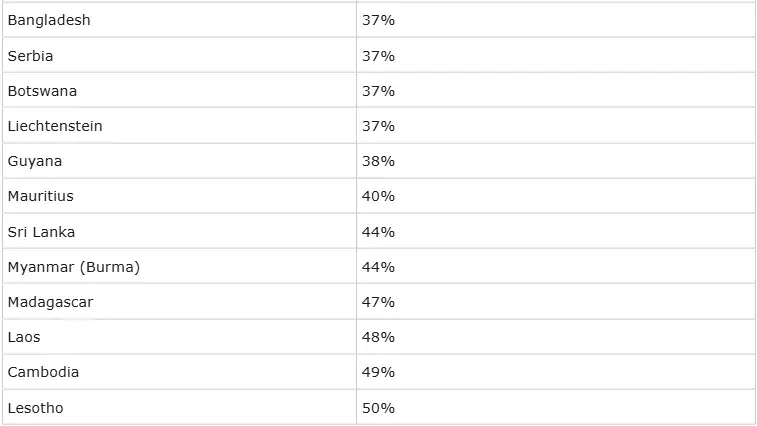
Nations with significant trade surpluses with the US are bearing the brunt of these new tariffs, with some facing duties as high as 50%. The hardest-hit countries include:- Lesotho – 50%
- Cambodia – 49%
- Laos – 48%
- Madagascar – 47%
- Vietnam – 46%
- Sri Lanka, Myanmar – 44% each
- Bangladesh, Serbia, Botswana – 37% each
Many of these countries are major exporters of textiles, footwear, and electronics to the US. The steep tariffs could severely disrupt their industries, impact global supply chains, and lead to higher prices for American consumers.
Countries Facing the Lowest Tariffs
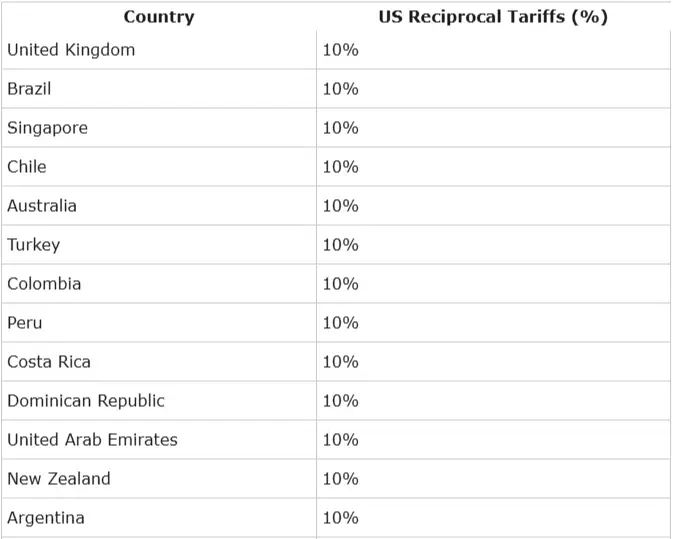
Several nations have escaped the harshest levies, facing only the baseline 10% tariff. These include:- United Kingdom
- Australia
- Brazil
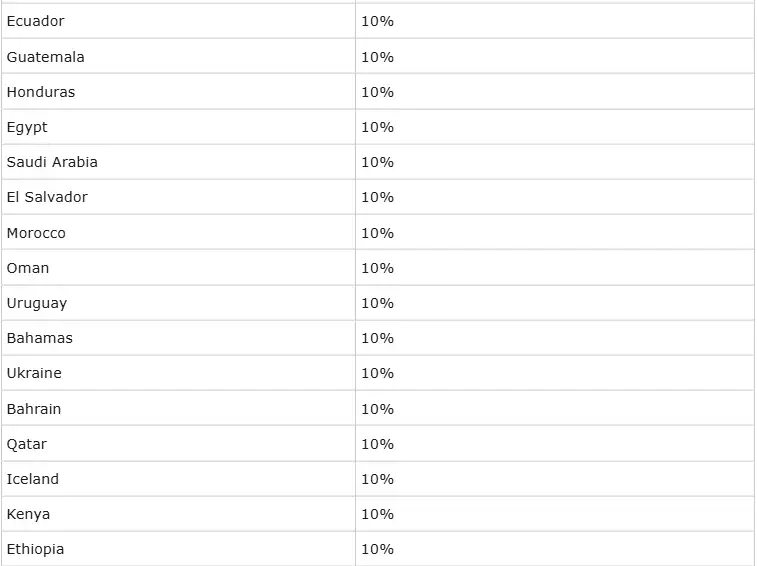
- Chile, Turkey, Argentina, Ecuador, Peru, New Zealand, UAE
- Canada and Mexico (exempt from new tariffs but still subject to existing duties on steel, aluminum, and automobiles)
The relatively lower tariffs suggest that these countries are viewed as fairer trading partners by the Trump administration. However, businesses in these nations remain wary of escalating trade tensions.
You may also like
- Indian-origin climber, Nepalese guide killed in Manaslu avalanche
- Japanese General Takehiro Morita becomes 1st air force chief of any Asian country to fly Tejas
- 60 suspected drug smugglers arrested, 29 kg of narcotics seized across Afghanistan
- MAGA brown-out: For Indian Trump acolytes, citizenship comes with an asterisk
- Jailed former Pak PM Imran Khan undergoes medical check-up amid concerns over health
Economic Impact and Global Response
The tariff announcement has rattled global markets, with S&P 500 futures plunging nearly 2% and stock indices in Asia and Europe following suit. Experts warn that these measures could push global trade into its most protectionist phase since the Great Depression.Critics argue that tariffs act as a hidden tax on consumers, driving up prices and squeezing businesses. Economists predict inflationary pressures, with some forecasting a 1% contraction in the US economy in the second quarter due to rising costs and supply chain disruptions.
In response, some affected nations, including Israel and Vietnam, have lowered tariffs on US imports in an effort to ease tensions. Meanwhile, the European Union is considering restrictions on US tech firms as a countermeasure.
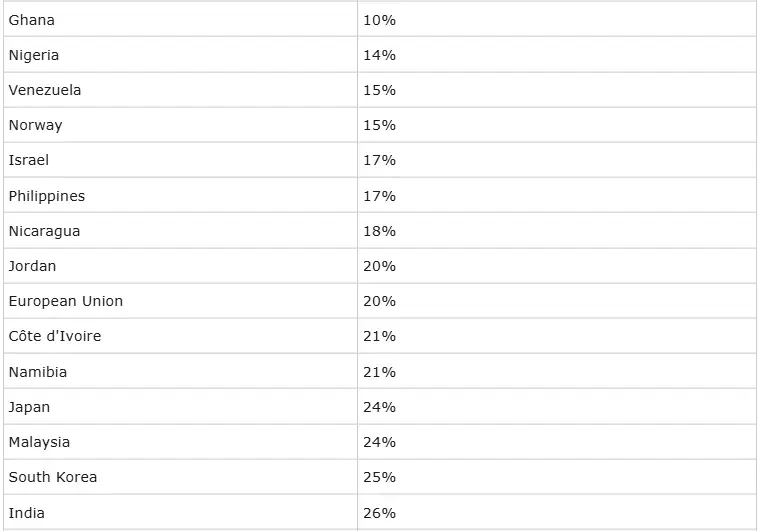
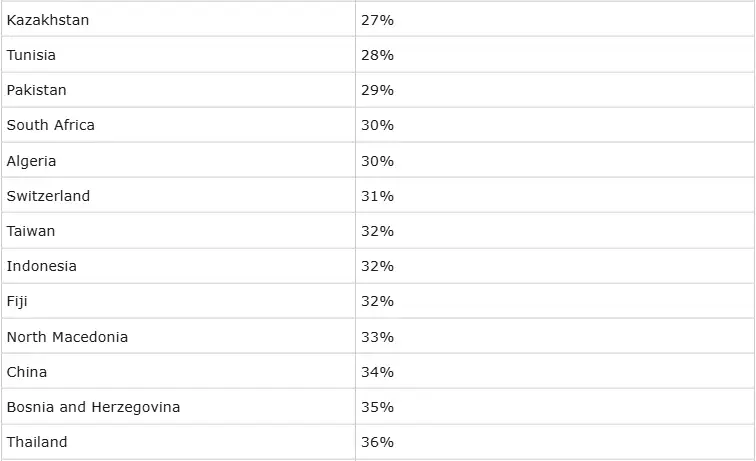
Complete list of countries and the reciprocal tariffs imposed by Trump (from lowest to highest):
Trump’s aggressive ‘America First’ trade policies are shaking up global commerce, leaving businesses and governments on edge. With countries contemplating retaliatory actions, the risk of a full-blown trade war looms large. The coming months will be crucial in determining how the global economy navigates this shifting landscape.






Loving Newspoint? Download the app now
