
'Every American with a retirement account is in the blast radius': DOJ targets Chinese crypto scam network, freezes $52 million and shuts 13 compounds in Madagascar


The US Department of Justice has announced a major crackdown on cryptocurrency-related fraud networks allegedly run by Chinese organised crime groups, with authorities restraining approximately $52 million in cryptocurrency in a single day and assisting local law enforcement in shutting down 13 scam compounds in Madagascar.
US Attorney Jeanine Ferris Pirro announced the coordinated action by the Department of Justice’s Scam Center Strike Force , working alongside the Department of the Treasury, the FBI and the US Secret Service. The latest seizures bring the total value of cryptocurrency restrained by the Strike Force to approximately $938 million.

The operation targeted Xinbi Guarantee , also known as Xinbi, a Chinese-language illicit marketplace allegedly used by scam operators to access money-laundering services, fraudulent investment websites and even people trafficked into scam compounds across Southeast Asia.
US authorities target Xinbi's alleged role in crypto fraud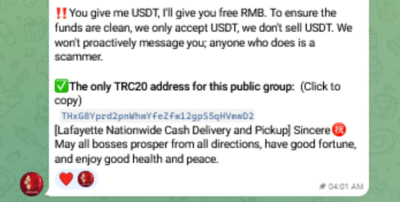
According to a seizure warrant unsealed by the Justice Department, Xinbi operated primarily through Telegram, where vendors advertised services to scam centre operators. These allegedly included setting up fake investment websites, laundering money obtained from victims of wire fraud and recruiting trafficking victims to work in scam compounds.
The marketplace reportedly acted as an intermediary, holding payments until vendors completed the services purchased by scammers. Investigators traced funds belonging to American fraud victims to cryptocurrency wallets advertised by vendors on the platform.
A US District Court for the District of Columbia authorised the seizure of Telegram channels hosting the marketplace on September 7, 2026.
As part of the operation, law enforcement seized two cryptocurrency wallets allegedly used by Xinbi to collect vendor payments. The wallets collectively held approximately $12 million. Authorities also sought to restrain 47 additional wallets believed to be connected to money laundering on Xinbi's network.
The coordinated action resulted in more than $52 million in cryptocurrency being restrained. The Justice Department also acknowledged Tether for its assistance in the investigation.
Treasury sanctions Xinbi and two other entities
In a parallel move, the US Treasury Department's Office of Foreign Assets Control (OFAC) designated Xinbi as a significant transnational criminal organisation. It also identified several cryptocurrency wallets associated with the marketplace.
Two other entities were sanctioned for allegedly providing financial, material or technological support, or goods and services, to Xinbi.
Under the sanctions, all property and interests in property belonging to the designated entities that are within the United States or in the possession or control of US persons are blocked. Such assets must also be reported to OFAC.
Pirro said the crackdown was aimed at dismantling the criminal networks and the services that help them operate.
“If Chinese organised crime can buy a custom website and a money laundering service the way you order takeout, then every American with a retirement account is in the blast radius,” Pirro said. She added that the Strike Force would continue targeting Chinese organised crime groups and those who facilitate their activities.
US team assists in shutting down 13 scam compounds in Madagascar
Alongside the action against Xinbi, Pirro announced that the Scam Center Strike Force was expanding its operations beyond Southeast Asia to target scam compounds around the world.
As part of this wider effort, a team from the Strike Force travelled to Madagascar and spent two weeks assisting local authorities in operations against 13 scam centres allegedly run by Chinese organised crime syndicates.
The team helped process more than 3,200 electronic devices and conducted interviews with nearly 400 people who had been arrested. The investigations have also led to new inquiries by US authorities. The Justice Department said at least approximately 30 Chinese nationals identified as leaders of the compounds were repatriated to China by the Chinese government.
US Attorney for the District of Alaska Michael J. Heyman and FBI Criminal Division Deputy Assistant Director Matthew Floyd joined Pirro in announcing the deployment.
“Transnational criminal organisations don’t care about borders, and the Department of Justice won’t either,” Heyman said, adding that the authorities would work to dismantle international scam networks and pursue justice for American fraud victims.
Cryptocurrency investment scams cost Americans billionsThe Scam Center Strike Force was launched in November 2025 to tackle the growing threat of Chinese organised crime groups operating scam centres, particularly in Southeast Asia. Its investigations cover cryptocurrency investment fraud, cyber-enabled scams, human trafficking and money laundering.
According to figures cited by the Justice Department from the FBI's Internet Crime Complaint Center (IC3), cryptocurrency investment fraud losses reported to the agency rose from $4.57 billion in 2023 to $8.65 billion in 2025, an increase of 89%.
The department also said cyber-enabled fraud accounted for almost 85% of all losses reported to IC3 in 2025. It cautioned that the actual financial damage could be significantly higher because many victims do not report scams to authorities.
The Strike Force brings together several federal agencies, including the FBI, the US Secret Service, the Justice Department's Criminal Division, the US Postal Inspection Service, IRS Criminal Investigation and Homeland Security Investigations. It also works with the Treasury and State Departments, as well as private-sector partners.
US Attorney Jeanine Ferris Pirro announced the coordinated action by the Department of Justice’s Scam Center Strike Force , working alongside the Department of the Treasury, the FBI and the US Secret Service. The latest seizures bring the total value of cryptocurrency restrained by the Strike Force to approximately $938 million.
The operation targeted Xinbi Guarantee , also known as Xinbi, a Chinese-language illicit marketplace allegedly used by scam operators to access money-laundering services, fraudulent investment websites and even people trafficked into scam compounds across Southeast Asia.
US authorities target Xinbi's alleged role in crypto fraud
According to a seizure warrant unsealed by the Justice Department, Xinbi operated primarily through Telegram, where vendors advertised services to scam centre operators. These allegedly included setting up fake investment websites, laundering money obtained from victims of wire fraud and recruiting trafficking victims to work in scam compounds.
The marketplace reportedly acted as an intermediary, holding payments until vendors completed the services purchased by scammers. Investigators traced funds belonging to American fraud victims to cryptocurrency wallets advertised by vendors on the platform.
A US District Court for the District of Columbia authorised the seizure of Telegram channels hosting the marketplace on September 7, 2026.
As part of the operation, law enforcement seized two cryptocurrency wallets allegedly used by Xinbi to collect vendor payments. The wallets collectively held approximately $12 million. Authorities also sought to restrain 47 additional wallets believed to be connected to money laundering on Xinbi's network.
The coordinated action resulted in more than $52 million in cryptocurrency being restrained. The Justice Department also acknowledged Tether for its assistance in the investigation.
Treasury sanctions Xinbi and two other entities
In a parallel move, the US Treasury Department's Office of Foreign Assets Control (OFAC) designated Xinbi as a significant transnational criminal organisation. It also identified several cryptocurrency wallets associated with the marketplace.
Two other entities were sanctioned for allegedly providing financial, material or technological support, or goods and services, to Xinbi.
Under the sanctions, all property and interests in property belonging to the designated entities that are within the United States or in the possession or control of US persons are blocked. Such assets must also be reported to OFAC.
Pirro said the crackdown was aimed at dismantling the criminal networks and the services that help them operate.
“If Chinese organised crime can buy a custom website and a money laundering service the way you order takeout, then every American with a retirement account is in the blast radius,” Pirro said. She added that the Strike Force would continue targeting Chinese organised crime groups and those who facilitate their activities.
US team assists in shutting down 13 scam compounds in Madagascar
Alongside the action against Xinbi, Pirro announced that the Scam Center Strike Force was expanding its operations beyond Southeast Asia to target scam compounds around the world.
As part of this wider effort, a team from the Strike Force travelled to Madagascar and spent two weeks assisting local authorities in operations against 13 scam centres allegedly run by Chinese organised crime syndicates.
The team helped process more than 3,200 electronic devices and conducted interviews with nearly 400 people who had been arrested. The investigations have also led to new inquiries by US authorities. The Justice Department said at least approximately 30 Chinese nationals identified as leaders of the compounds were repatriated to China by the Chinese government.
US Attorney for the District of Alaska Michael J. Heyman and FBI Criminal Division Deputy Assistant Director Matthew Floyd joined Pirro in announcing the deployment.
“Transnational criminal organisations don’t care about borders, and the Department of Justice won’t either,” Heyman said, adding that the authorities would work to dismantle international scam networks and pursue justice for American fraud victims.
Cryptocurrency investment scams cost Americans billionsThe Scam Center Strike Force was launched in November 2025 to tackle the growing threat of Chinese organised crime groups operating scam centres, particularly in Southeast Asia. Its investigations cover cryptocurrency investment fraud, cyber-enabled scams, human trafficking and money laundering.
According to figures cited by the Justice Department from the FBI's Internet Crime Complaint Center (IC3), cryptocurrency investment fraud losses reported to the agency rose from $4.57 billion in 2023 to $8.65 billion in 2025, an increase of 89%.
The department also said cyber-enabled fraud accounted for almost 85% of all losses reported to IC3 in 2025. It cautioned that the actual financial damage could be significantly higher because many victims do not report scams to authorities.
The Strike Force brings together several federal agencies, including the FBI, the US Secret Service, the Justice Department's Criminal Division, the US Postal Inspection Service, IRS Criminal Investigation and Homeland Security Investigations. It also works with the Treasury and State Departments, as well as private-sector partners.
Next Story